
The Art of Bruce McIntyre
A Path through the Cosmos
A True Artist
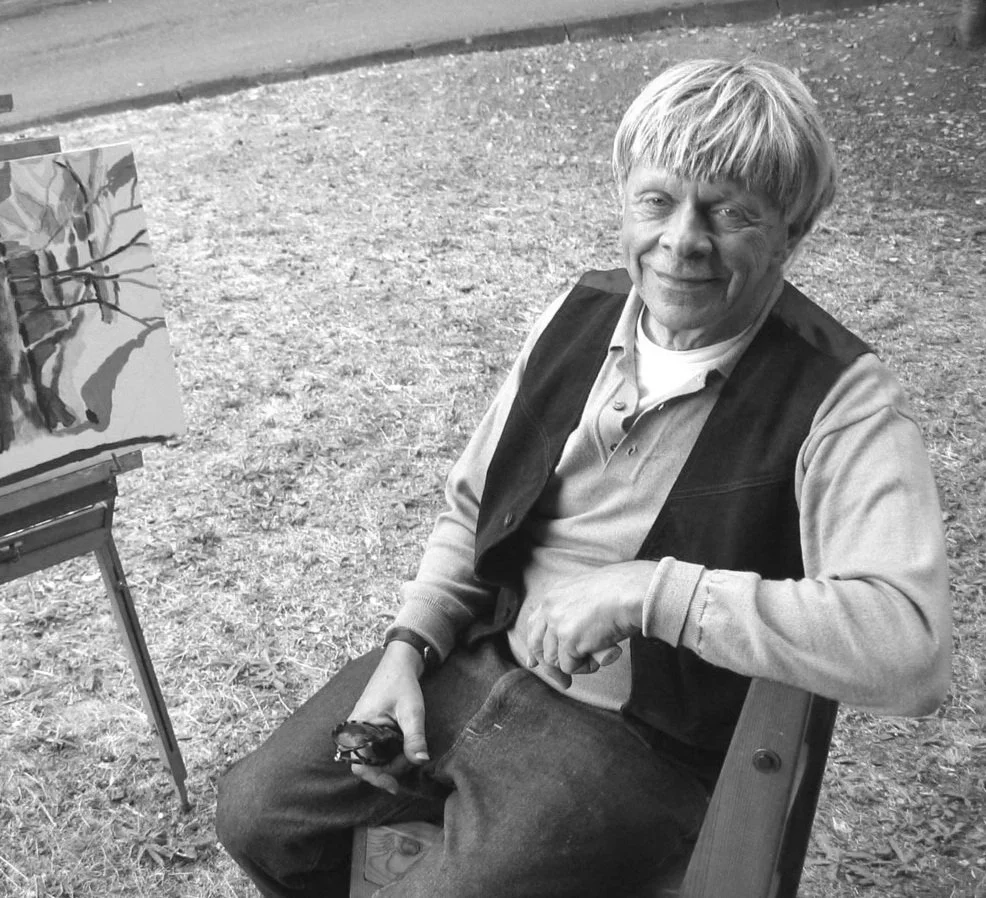
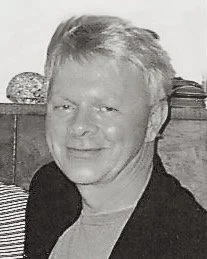
This website is a heartfelt ode to a remarkable person. One who remained true to himself through a life of monumental challenges.
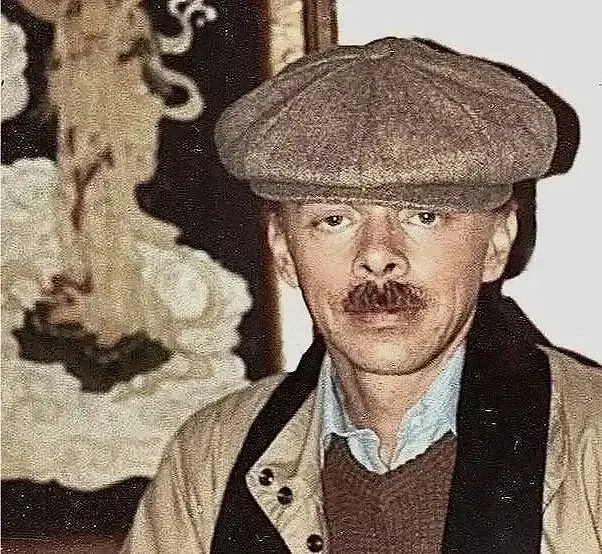
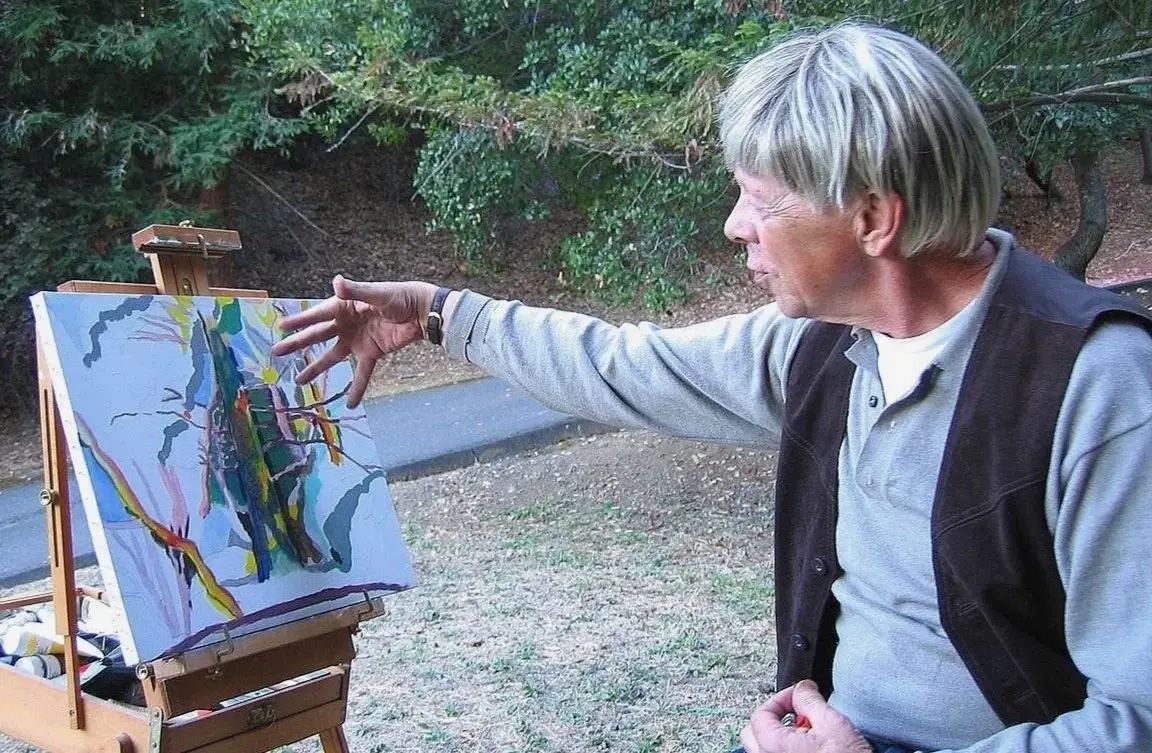
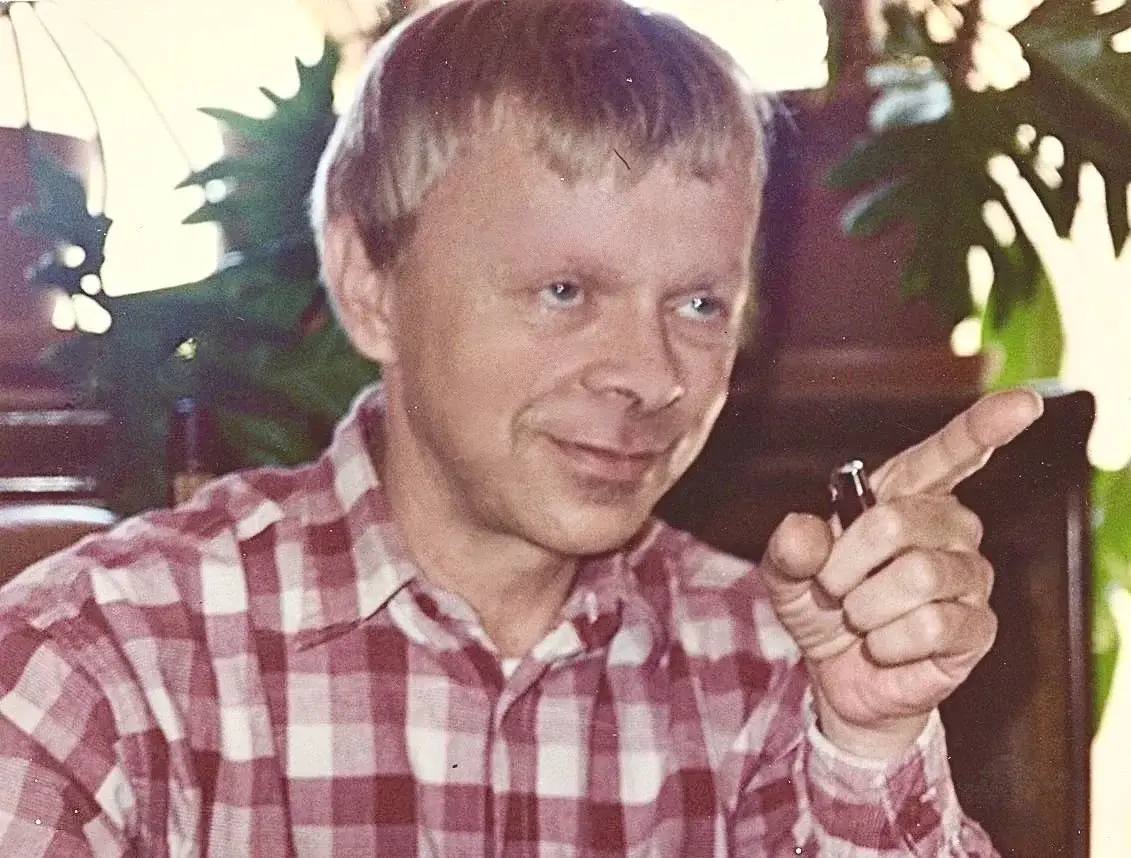
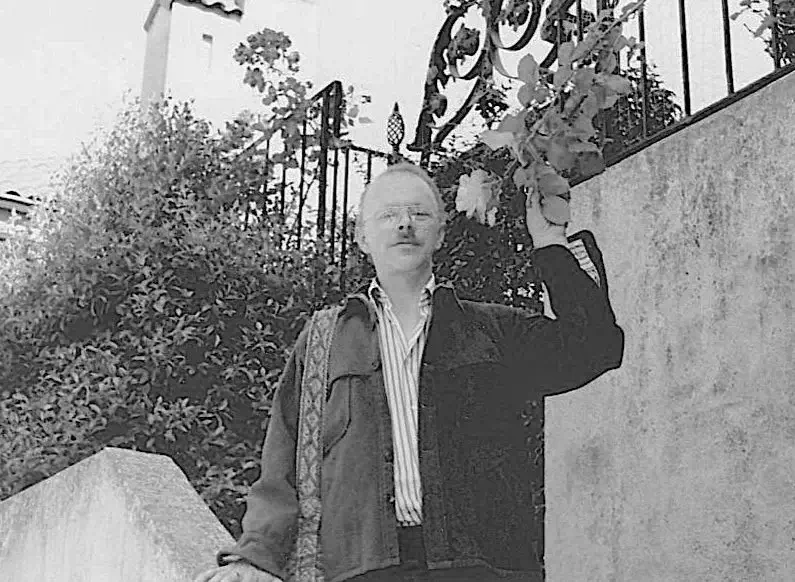
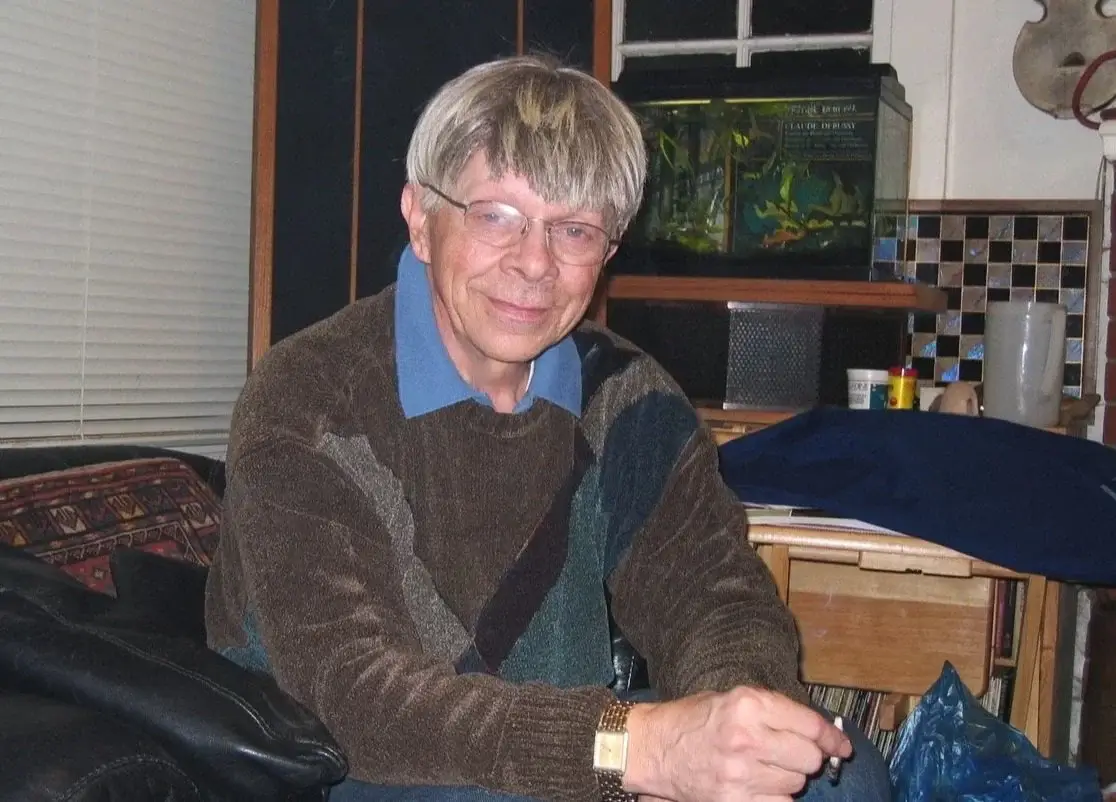
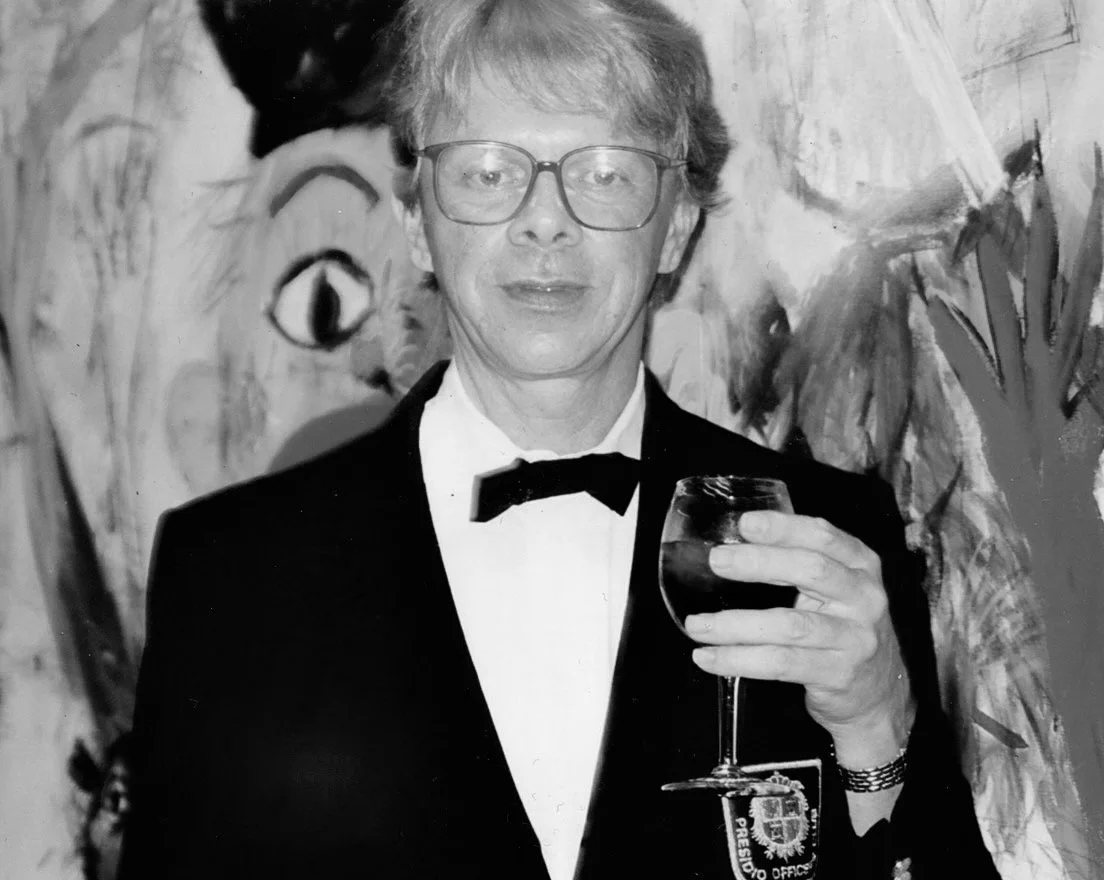
Bruce McIntyre [1940-2015] identified himself first and foremost as an artist. And he approached his art with a rare selflessness, devoted to what Nietzsche called “the proper task of life.” A quote among many that Bruce took very seriously.
Drawn to the freedom and conceptual thinking of abstract expressionism, Bruce’s profound sensitivity allowed him to both envision a work and respond to it as it evolved. Every brushstroke was a meditative improvisation, like the jazz he loved. Every move led to the next, driven by instinct, rigor and exploration. Every painting, watercolor and drawing he realized came from his own intensely personal experience.
Nowhere is that more evident than in the artworks you see here, the vast majority of which come from Bruce’s fifty years living in the California Bay Area. Notably, most were seldom seen outside a varying circle of the artist’s friends and supporters. Yet Bruce never stopped making and loving his art. It remains a gift to all of us. And a path through the cosmos.

Artworks
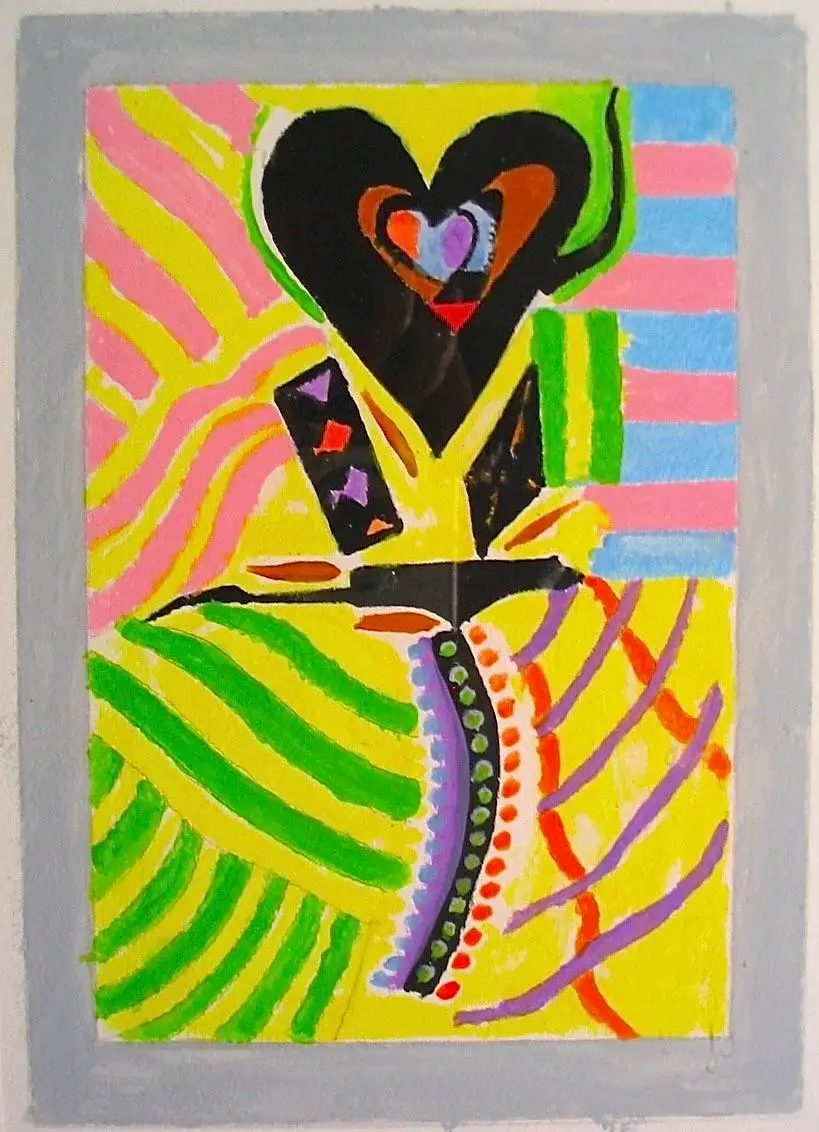
Bruce McIntyre created art in multiple mediums for over five decades, adapting the size and scale of his work to the resources he had available. Nearly all of the work accounted for here was created in California from the 1960s through the 90s, Bruce’s most prolific years. Among mediums, he favored watercolors for their spontaneity, grace, complexity and accessibility. His drawings, both figurative and abstract, pursued his love for flowing, idiosyncratic detail, while his oils drew upon his intrinsic sensitivity to light, depth and form. But whatever the medium, Bruce saw every blank canvas, sketchpad, tube of paint or mound of clay as a present to be opened. And he relished it accordingly.
Watercolors
Drawings
Oils + Gouaches
Textile “Pouches”
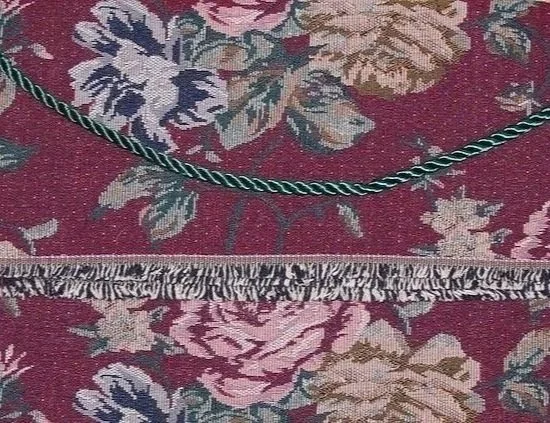
Watercolors
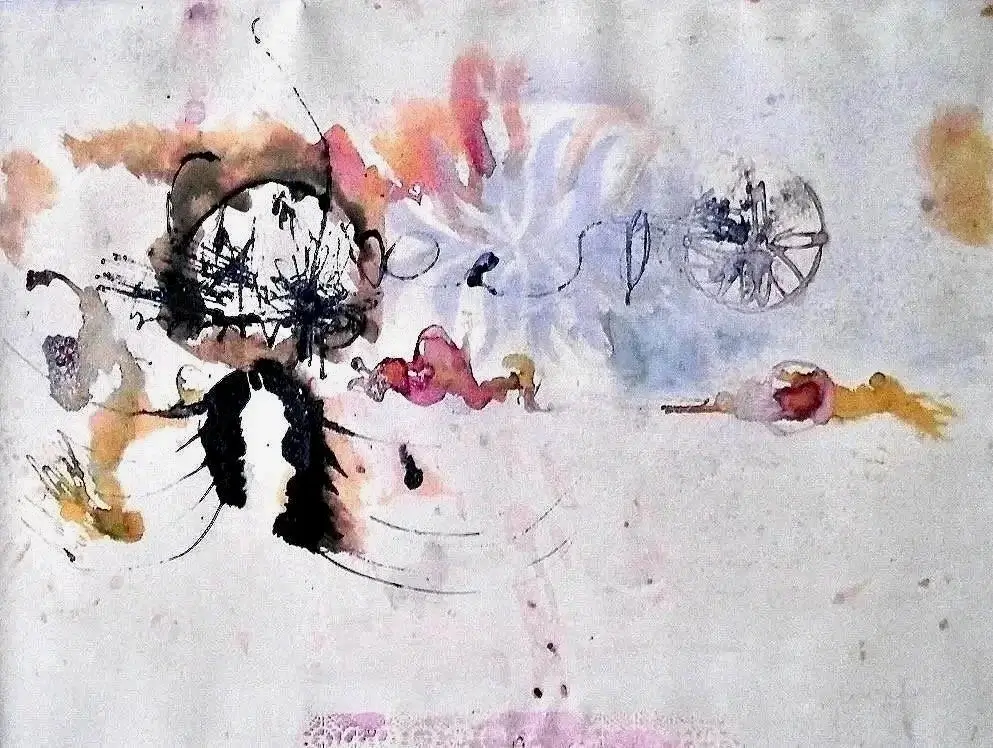
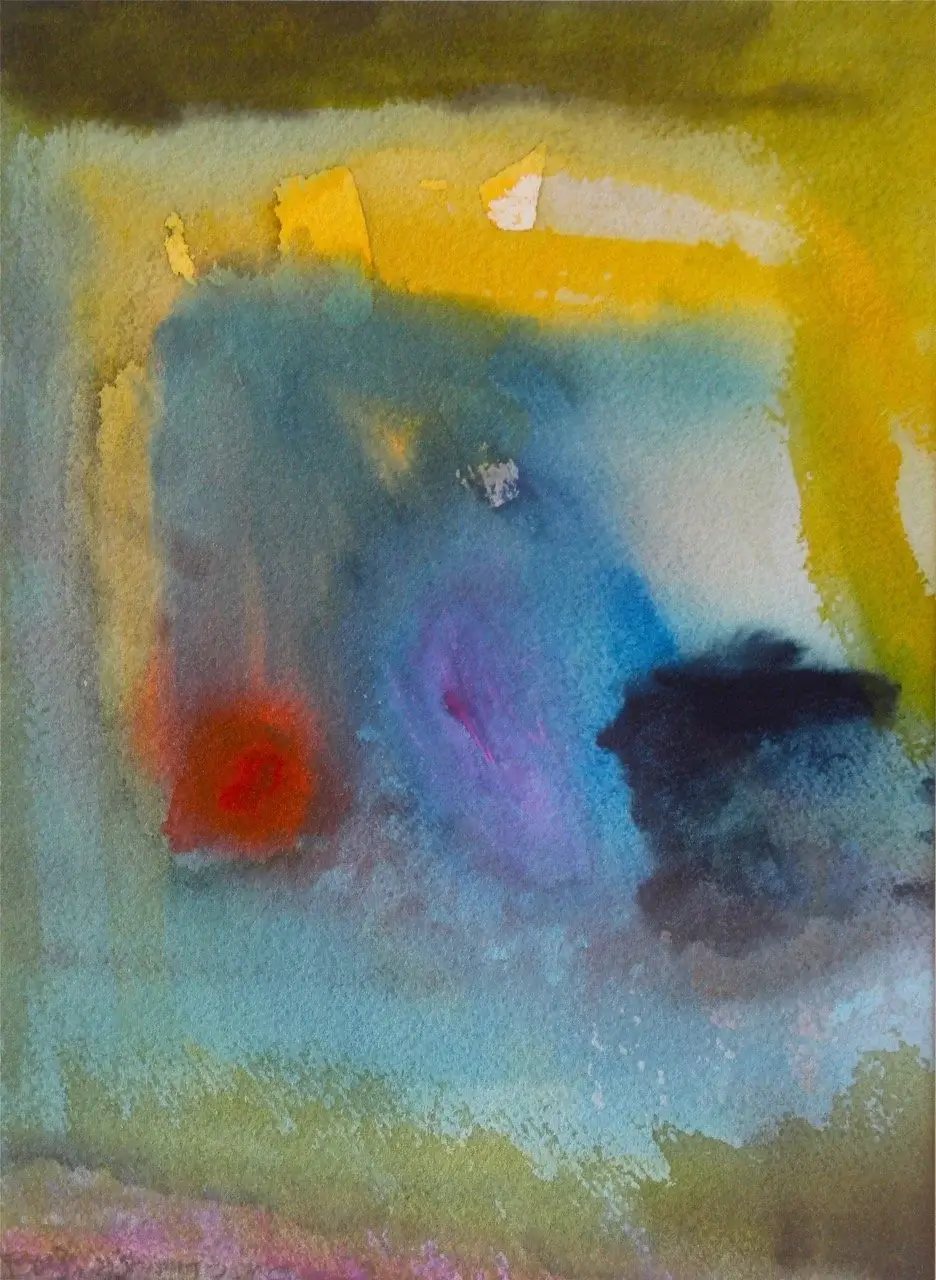
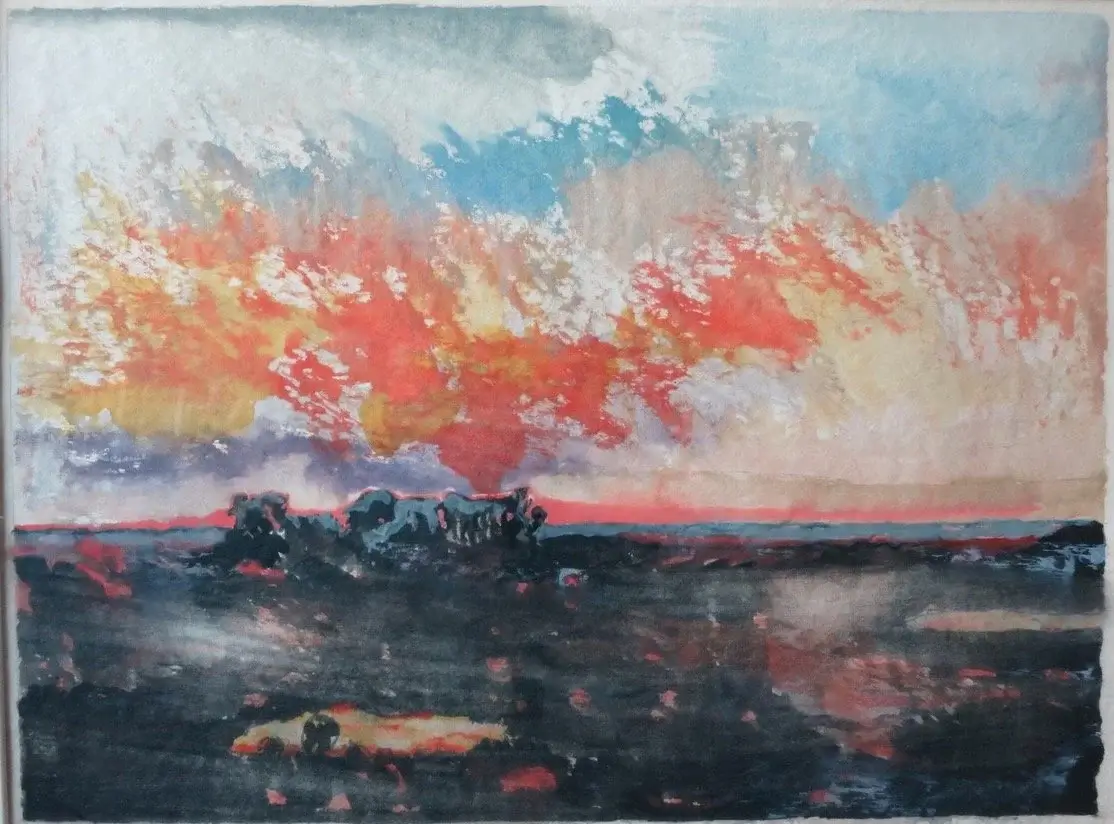
For all the ways McIntyre expressed himself through his art, his dreamlike, intricately layered watercolors may be the most profound. Inspired by the first- and second-generation abstract expressionists [William DeKooning, Helen Frankenthaler, Joan Mitchell and others], he would say he was just “bringing it all together.” Looking at these ethereal compositions, still lifes and landscapes, in their form, color, line and depth, it’s obvious he did just that.
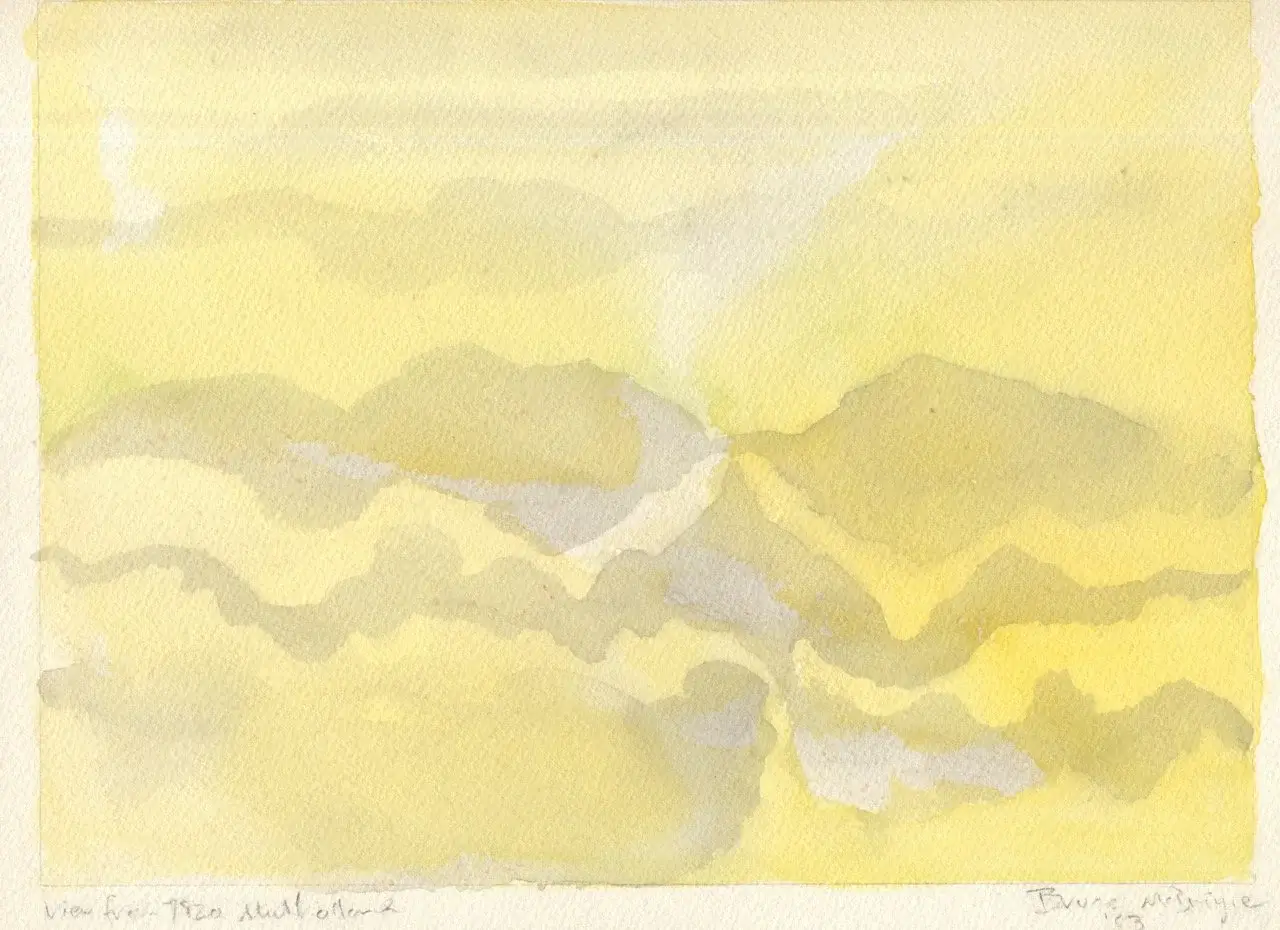
View from Mulhalland Drive
9×12” WC on paper [1983]
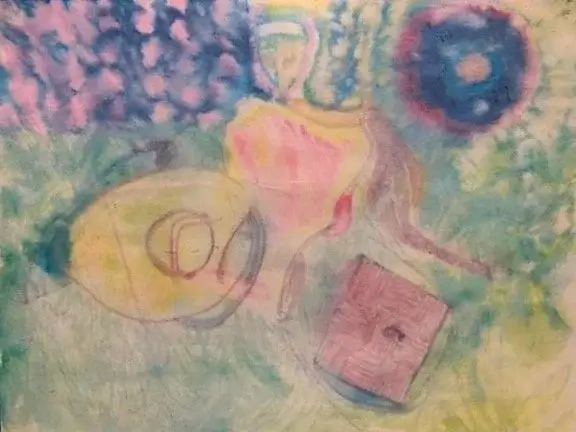
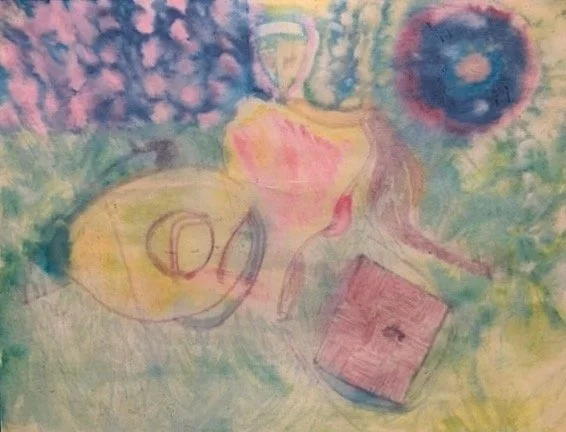
Pink Square, Blue Orb
9×12” WC on paper [1975]
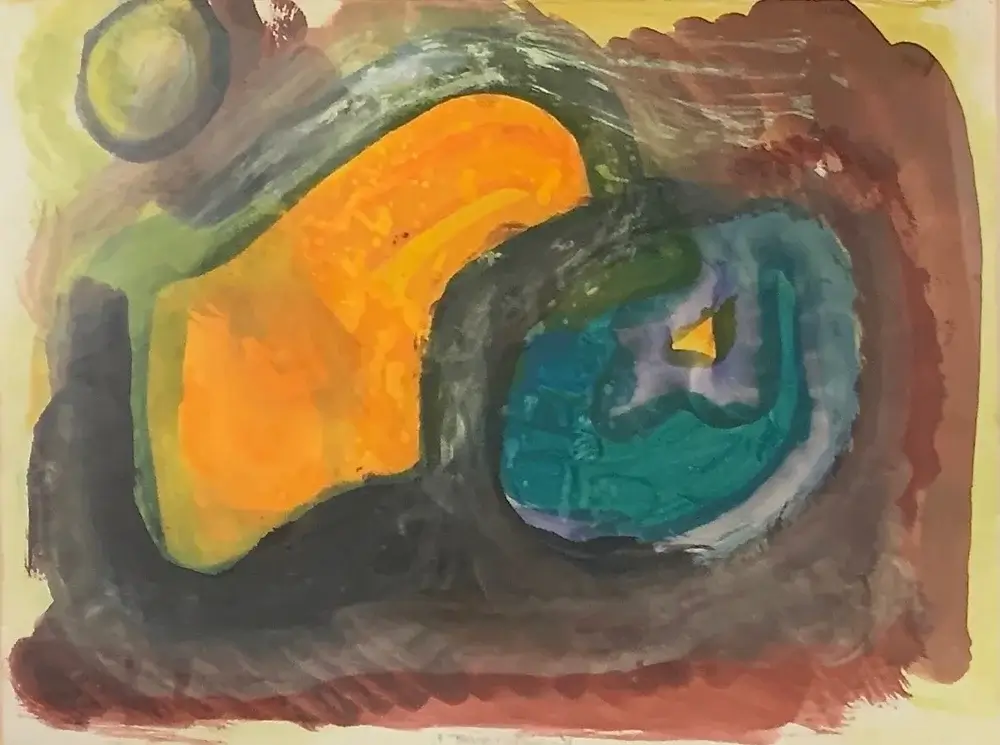
Ruth and Me
11×14.75” WC on paper [1973]
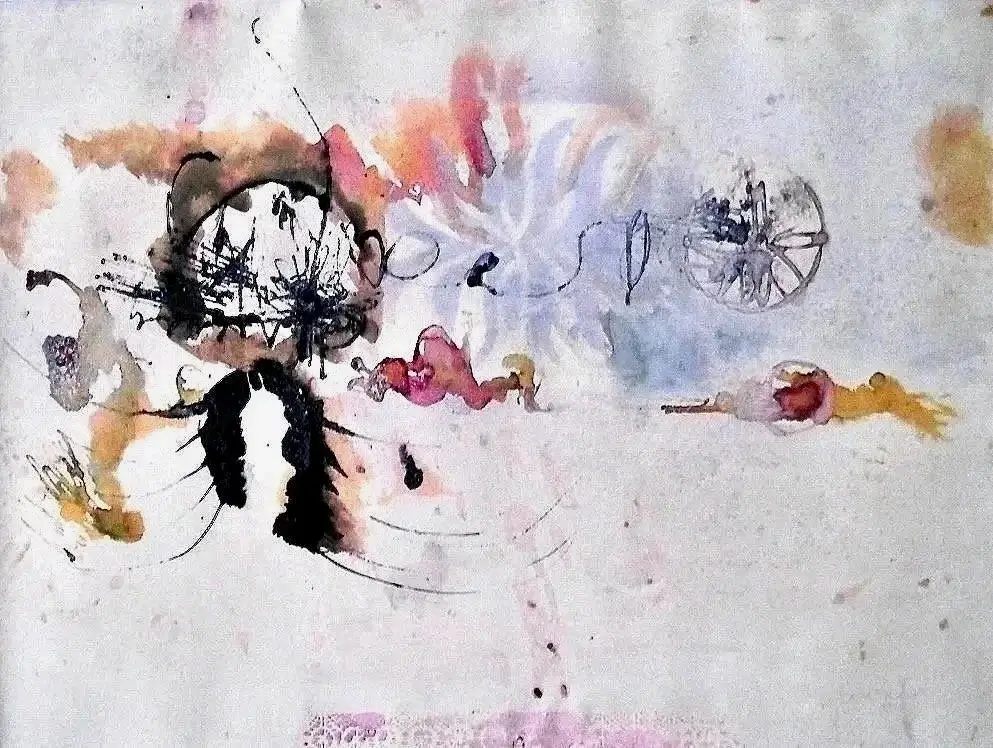
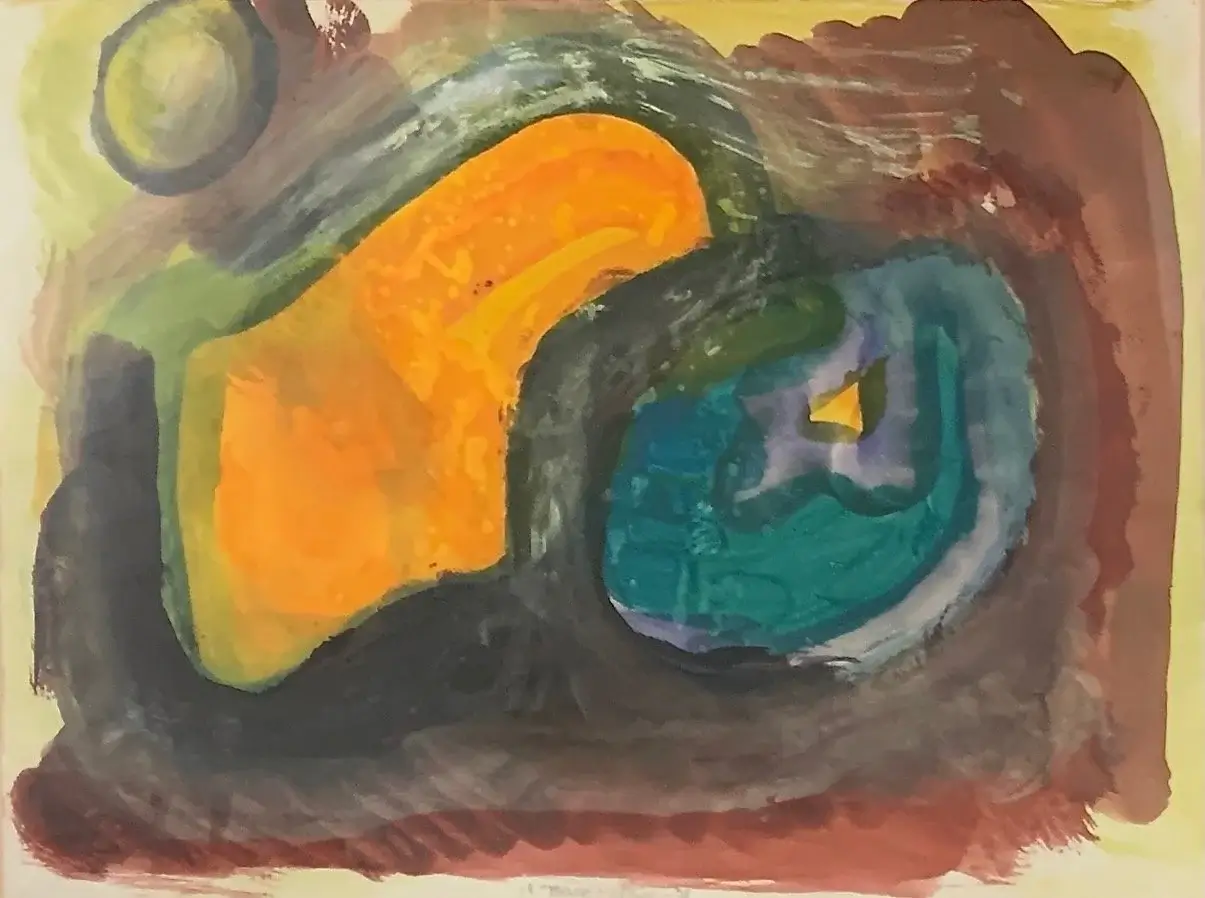
A Path through the Cosmos
12×15.5” WC on paper [1970]
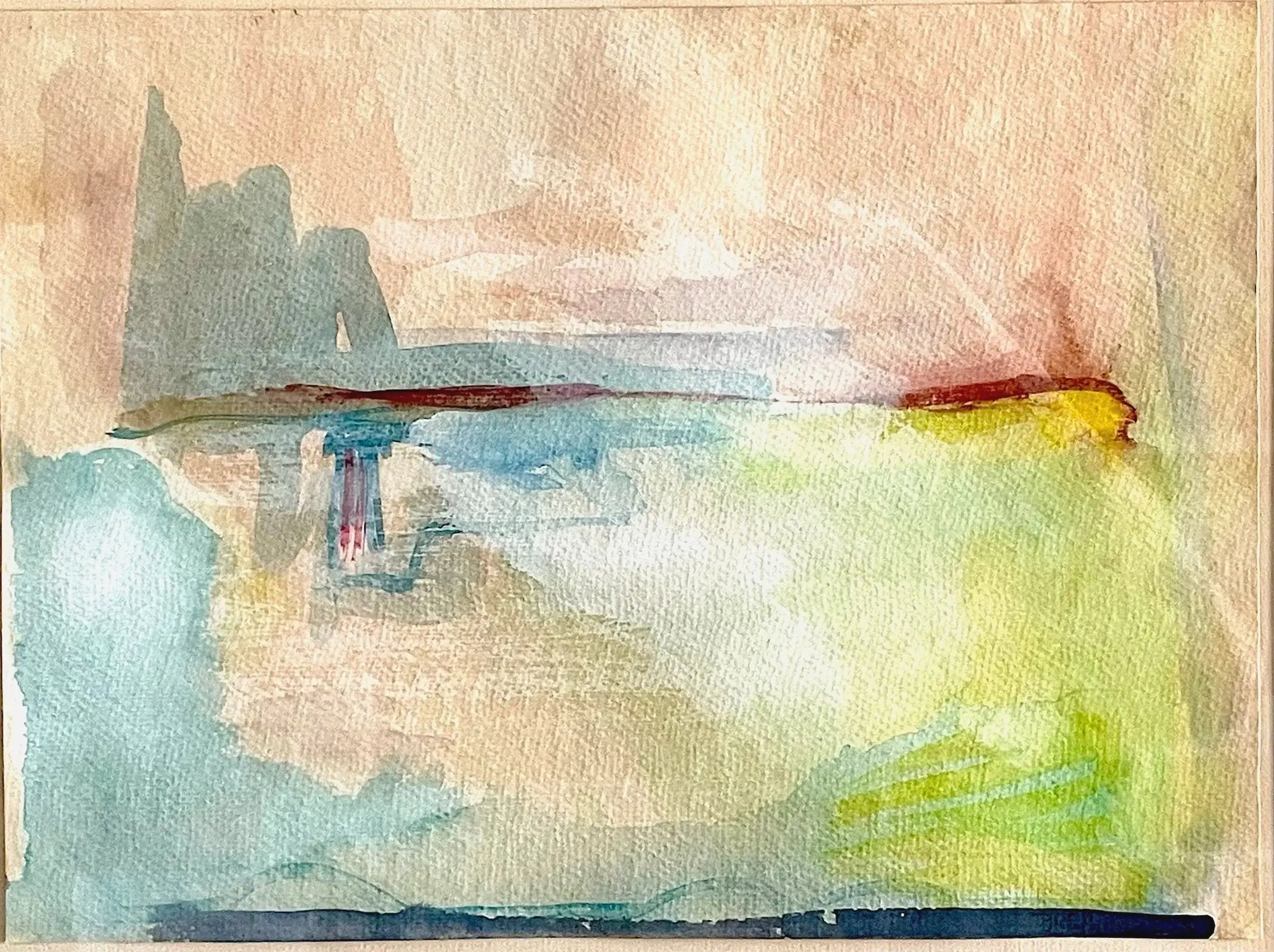
Loch Lomand Reservoir
12 x 15.5” WC on paper [1976]
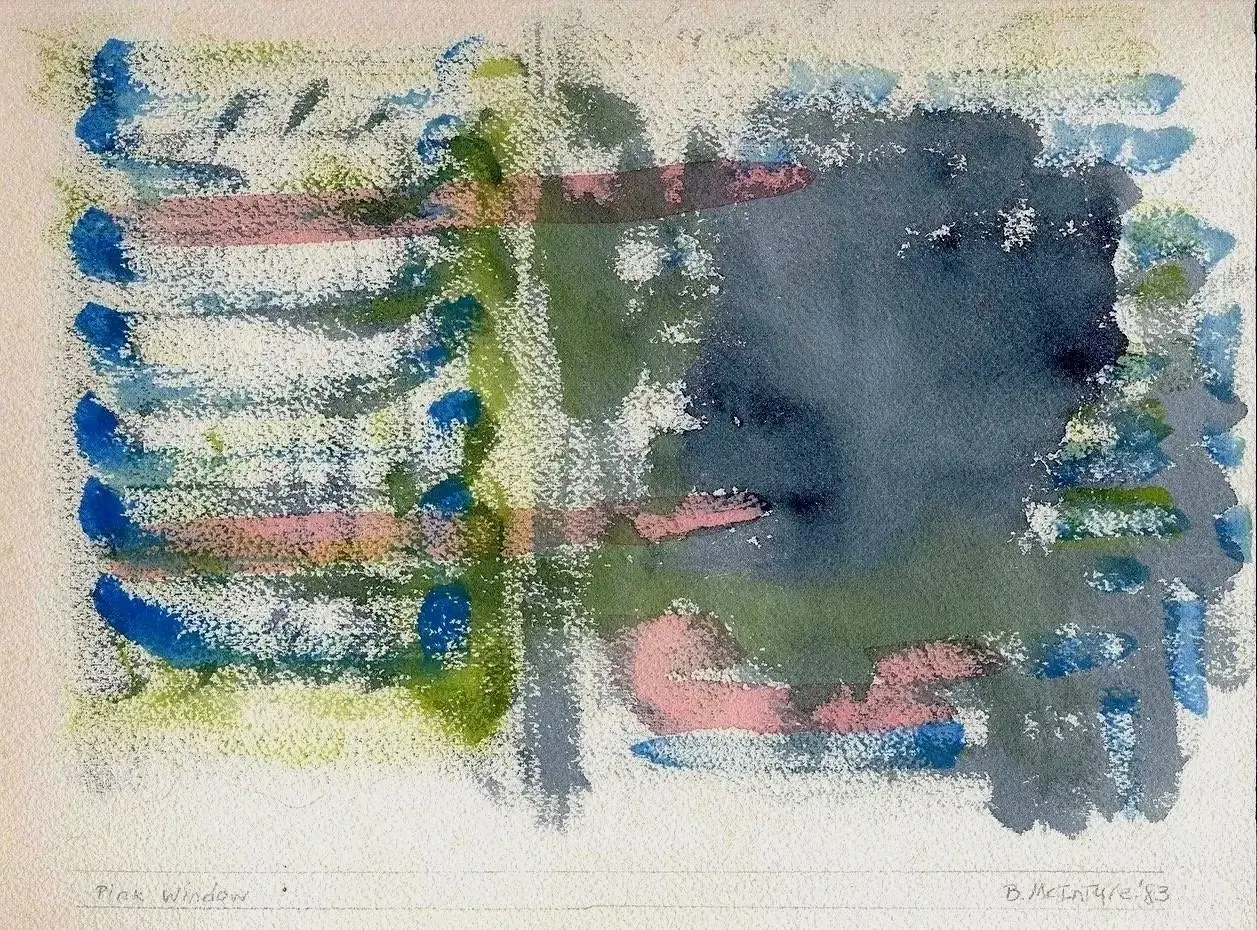
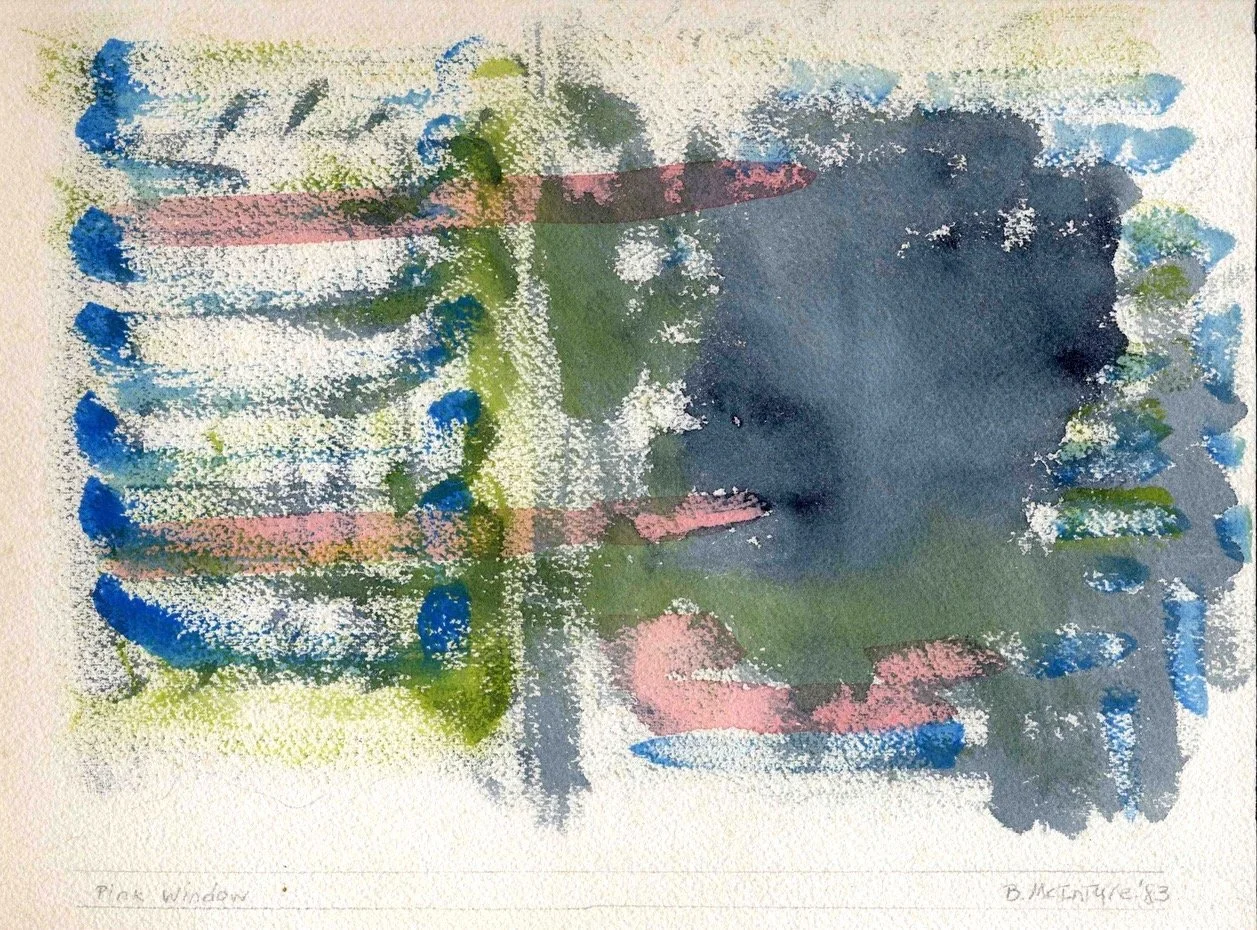
Pink Window
12×9” WC on paper [1983]
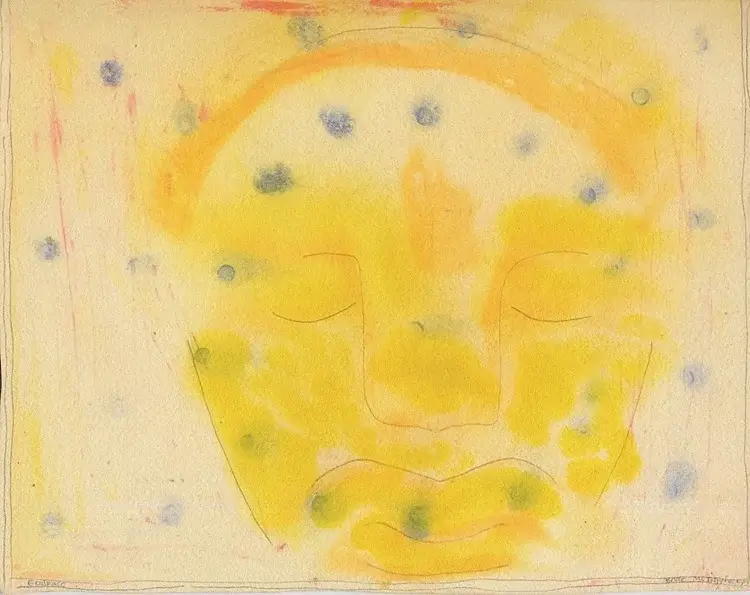
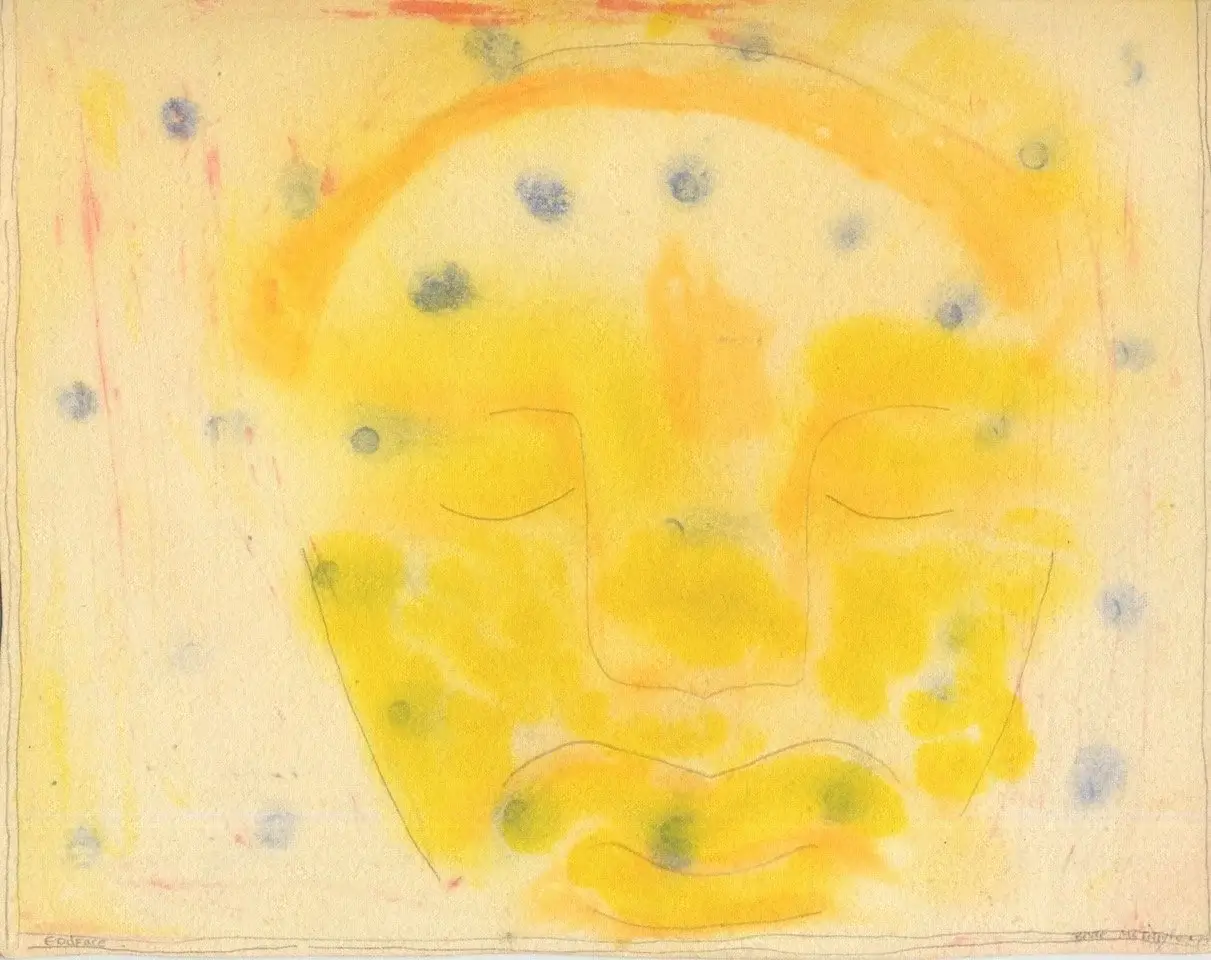
Gold Face
9×10.75” WC on paper [1973]
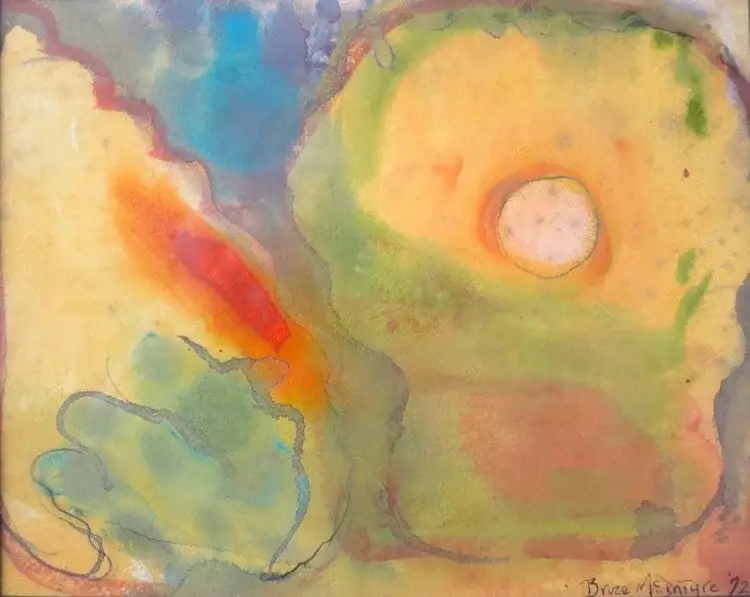
Burning Bush
8×10” WC, gouache on paper [1972]
![Berkeley Hills [Strawberry Creek]](https://brucemcintyreart.com/wp-content/uploads/2025/12/19.WCPageBerkeley.webp)
Berkeley Hills [Strawberry Creek]
9×11.5” WC on paper [1976]
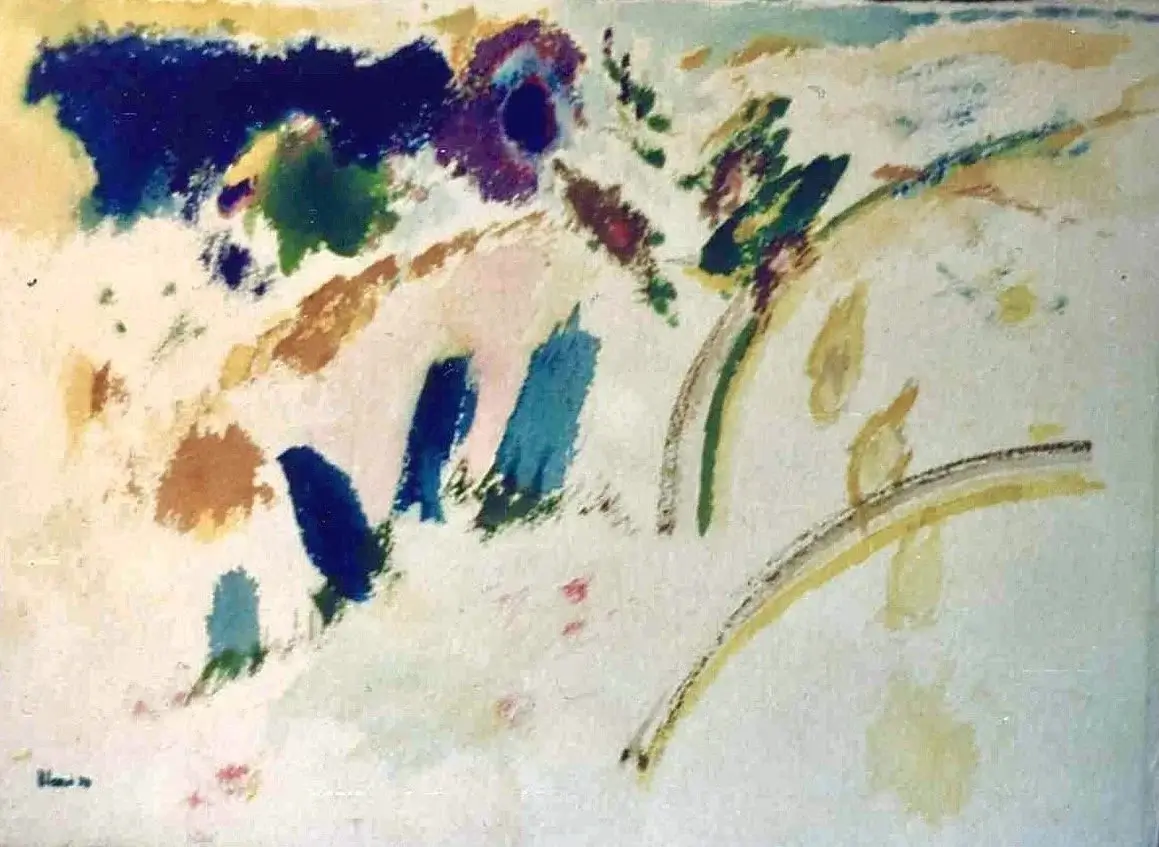
Mount Diablo
8×10” WC on paper [1970]
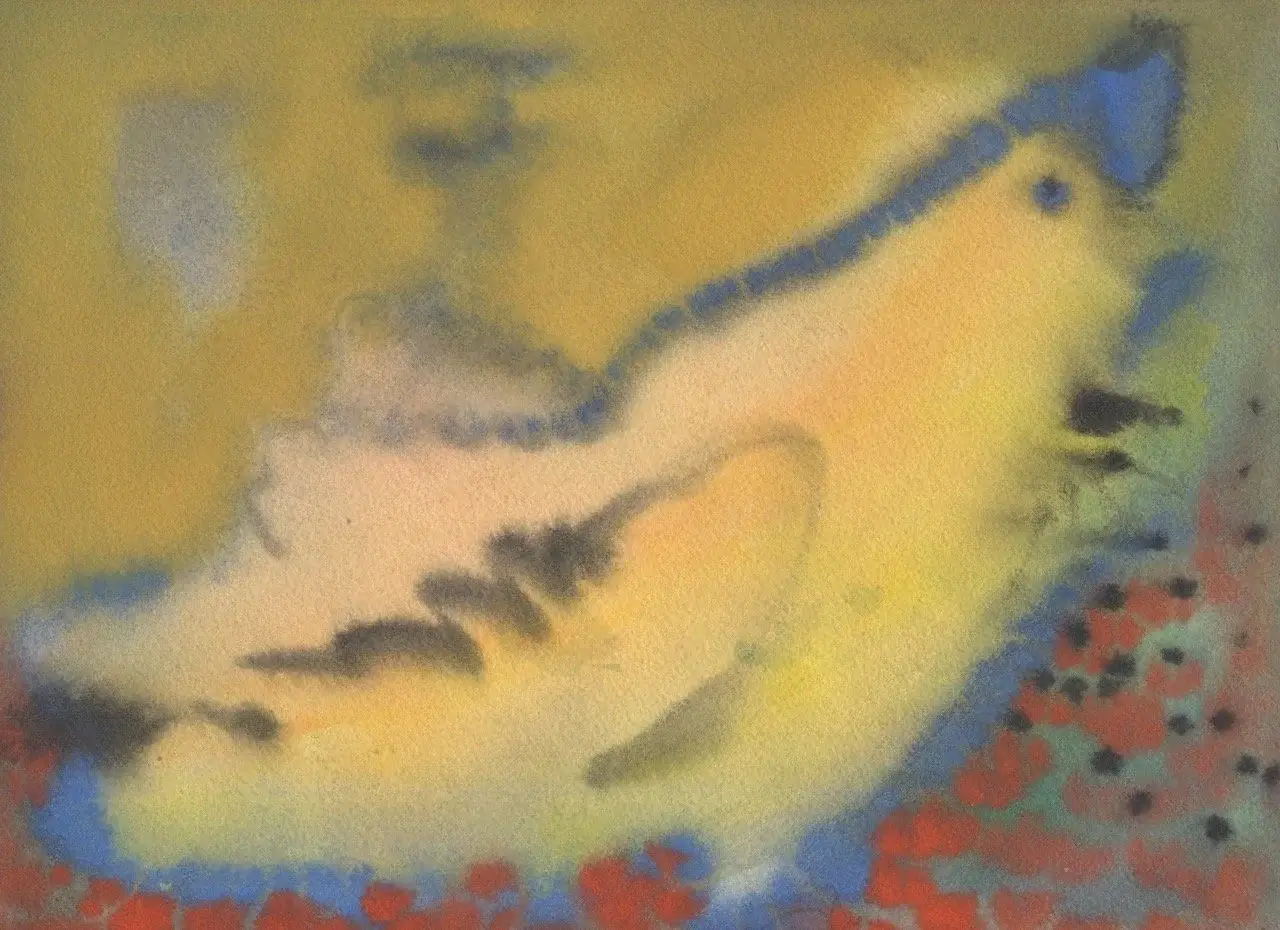
Spirit Bird
9×12” WC on paper [1982]
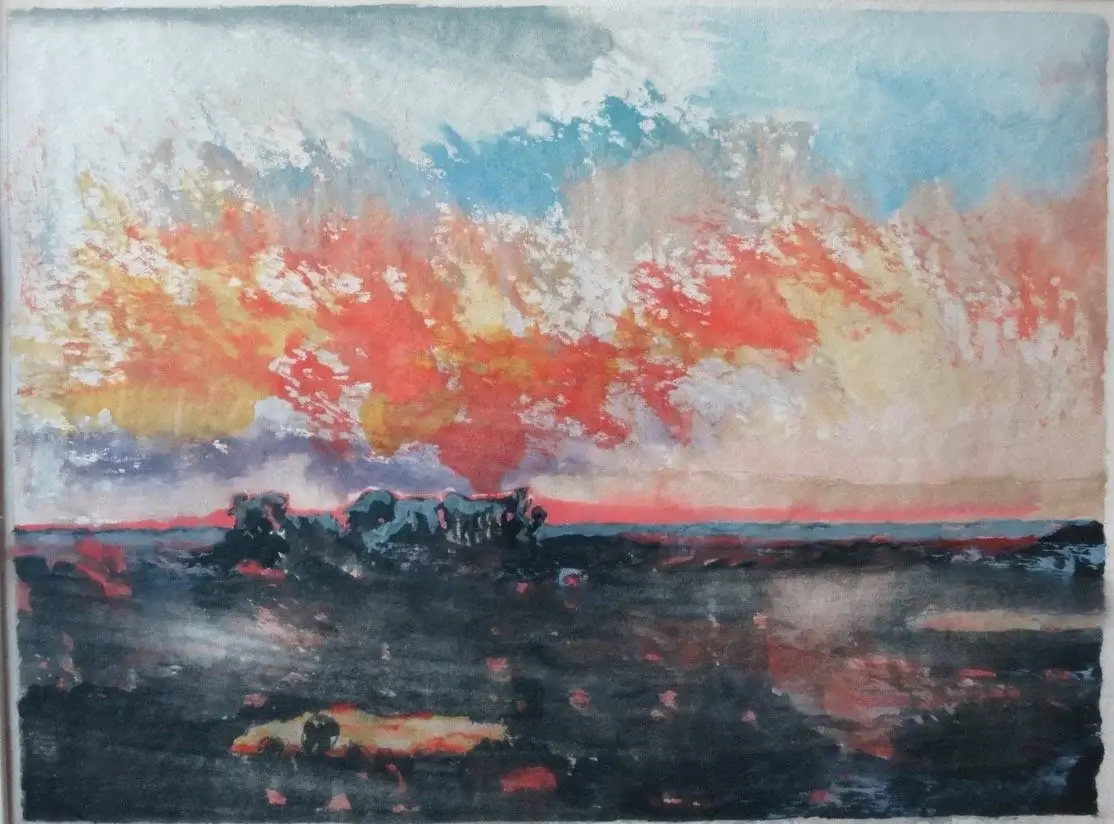
After the Storm
9×12” WC, gouache on paper [1988]
![Plowing the Fields [Yucatan Sunset]](https://brucemcintyreart.com/wp-content/uploads/2025/12/30.WCPagePlowing.webp)
Plowing the Fields [Yucatan Sunset]
12×15.5” WC on paper [1976]
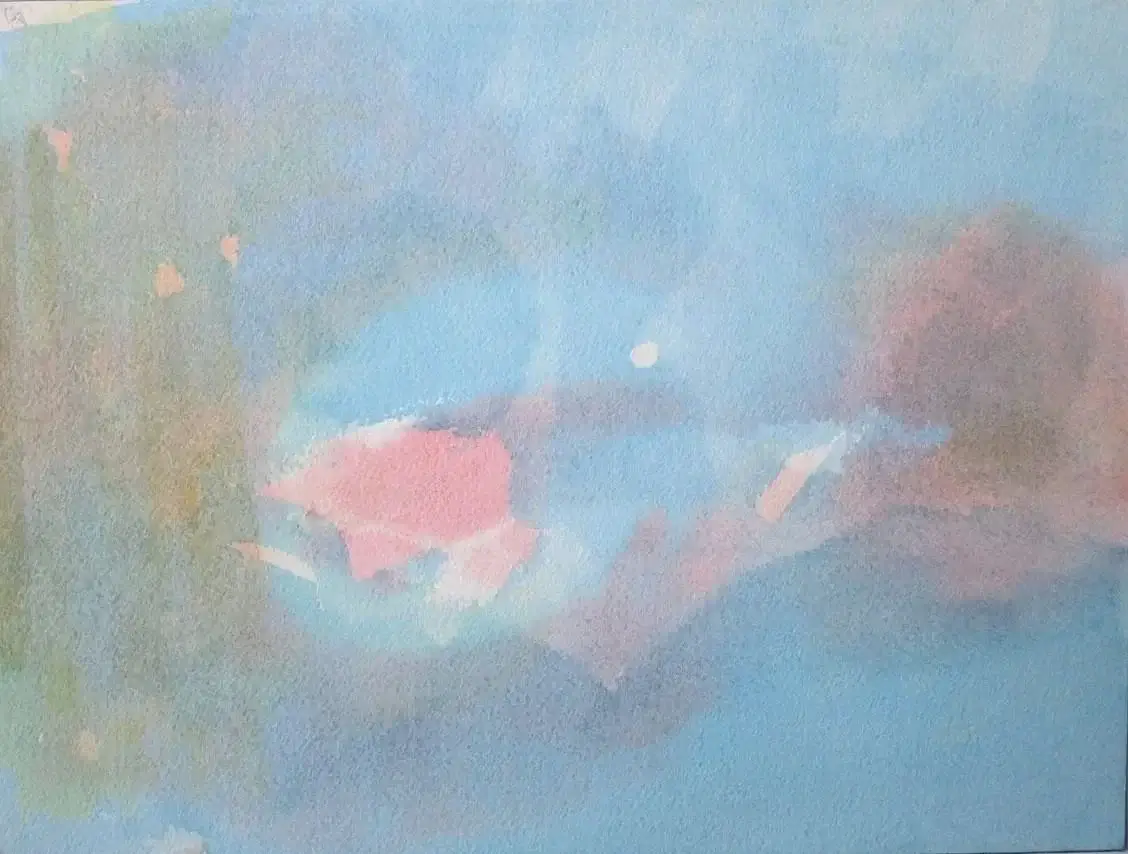
Another Sky
9×12” WC on paper [1978]
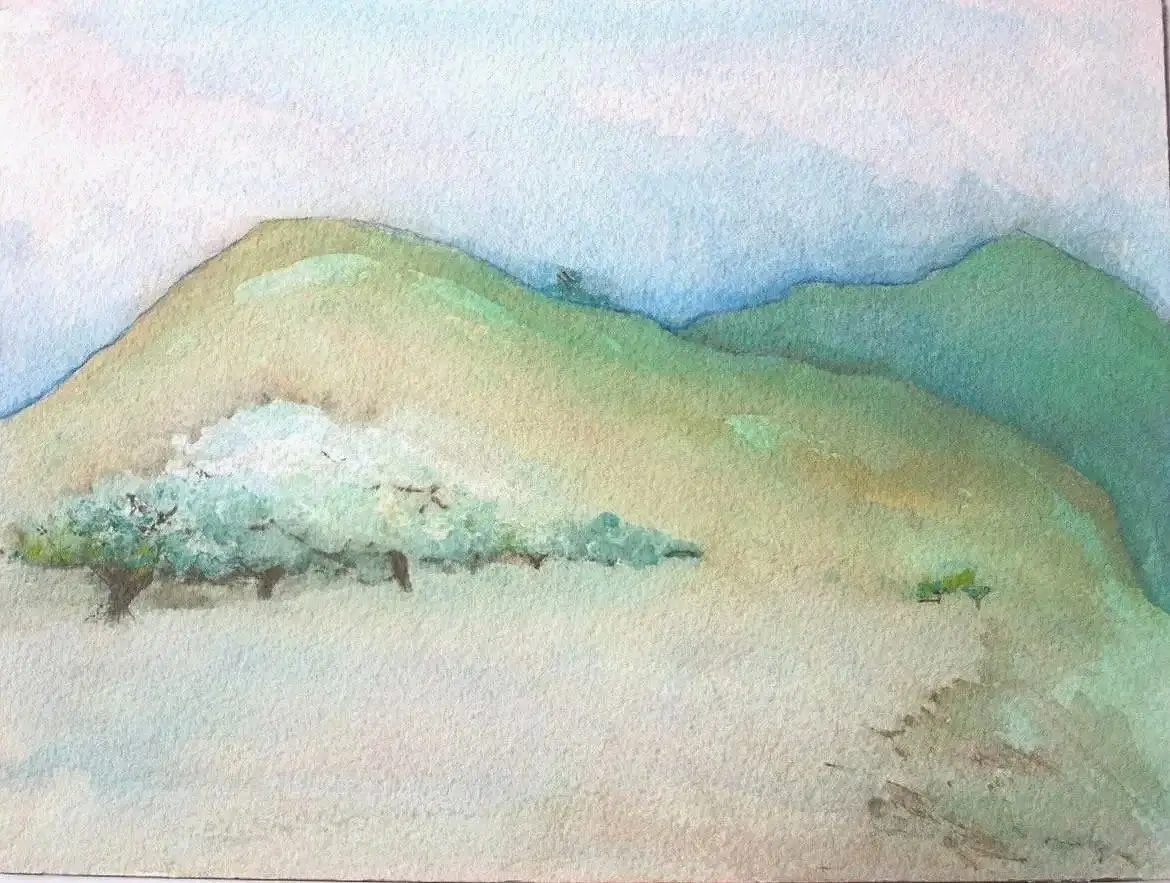
Pregnant Hill with Trees in Bloom
12×15.5” WC on paper [1977]
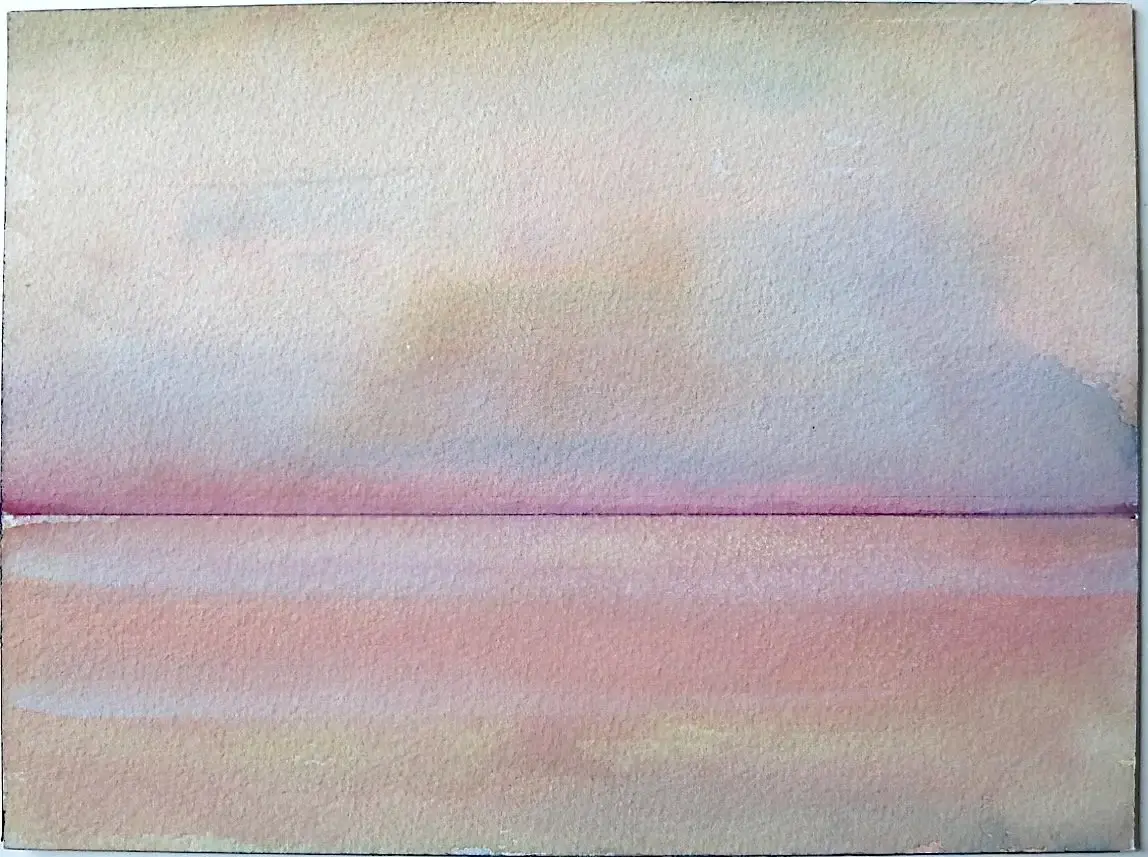
Tropical Horizon
9×12” WC on paper [1979]
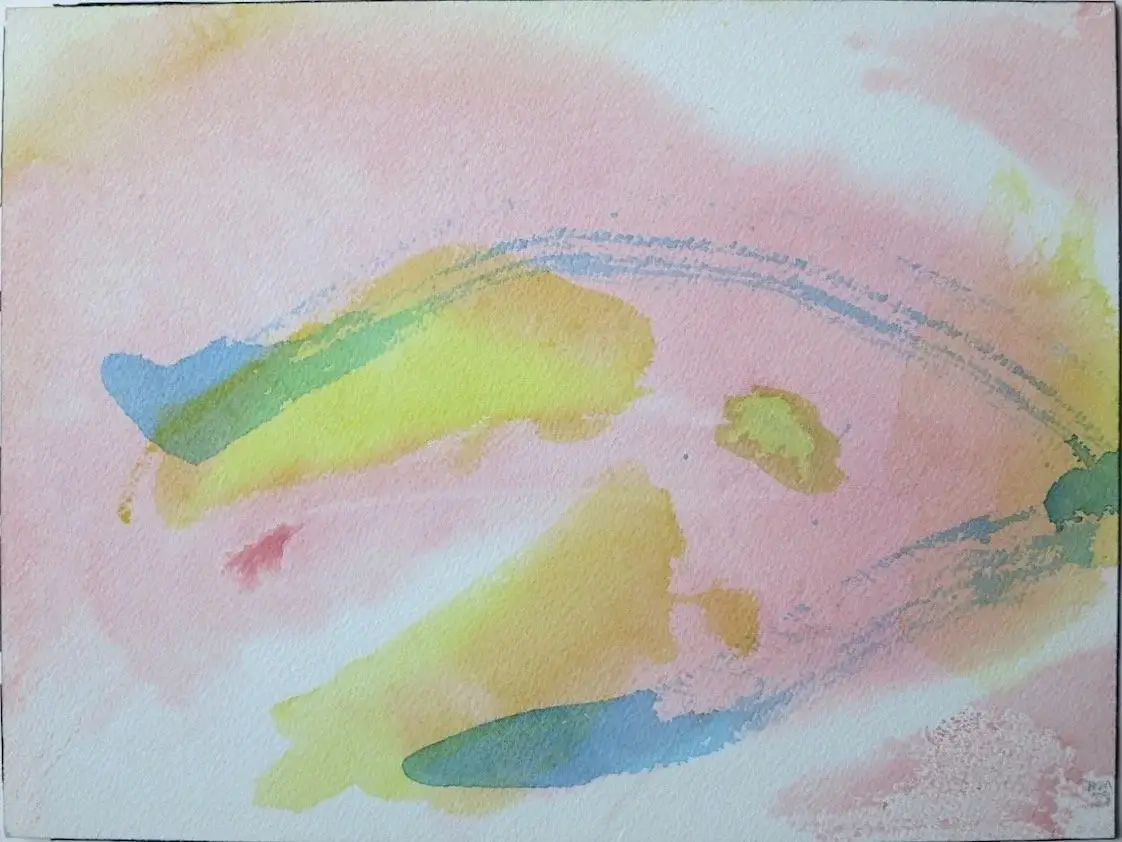
Blue Legs
9×12” WC on paper [1979]
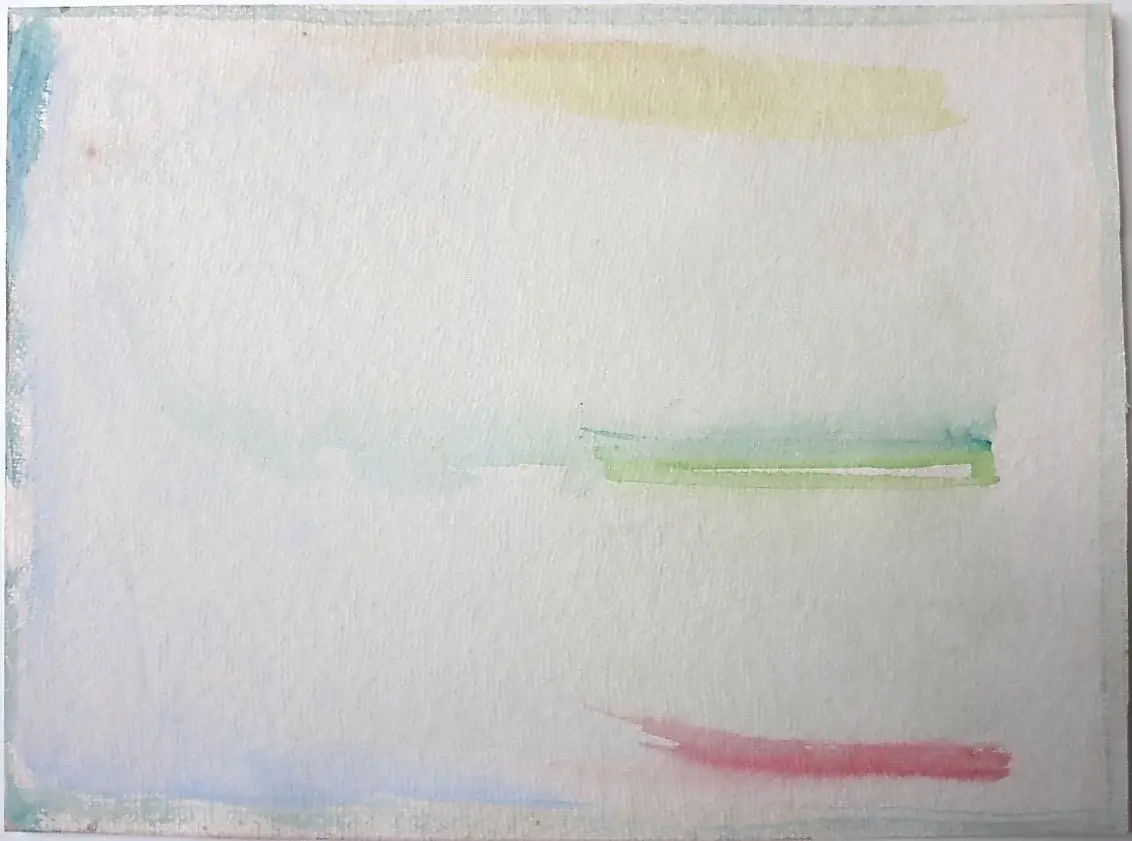
Different Strokes
11×14.75” WC on paper [1980]
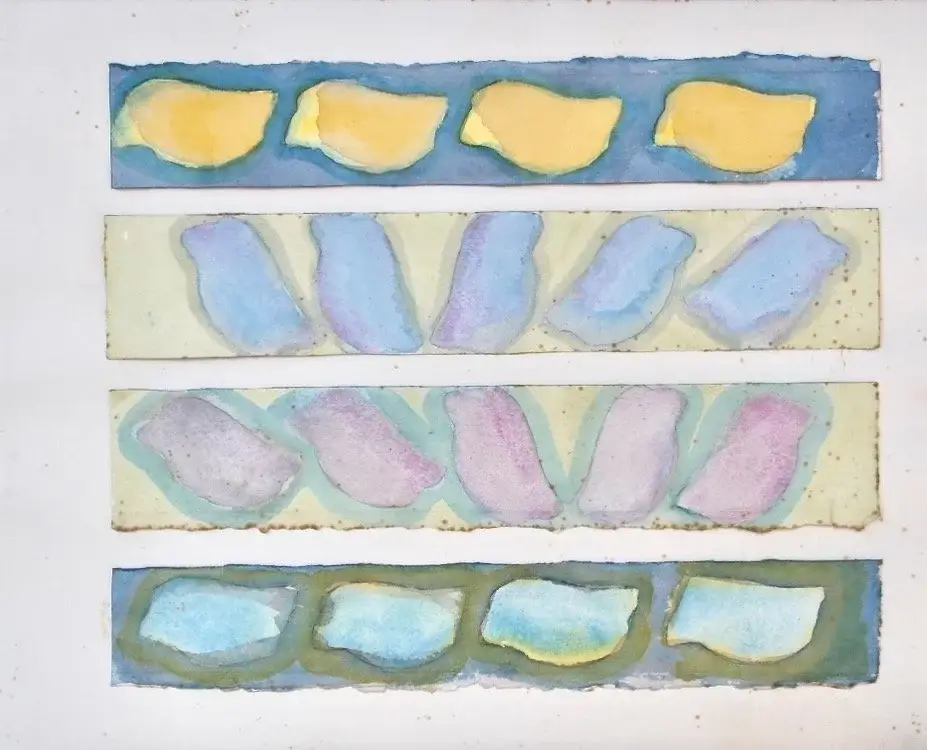
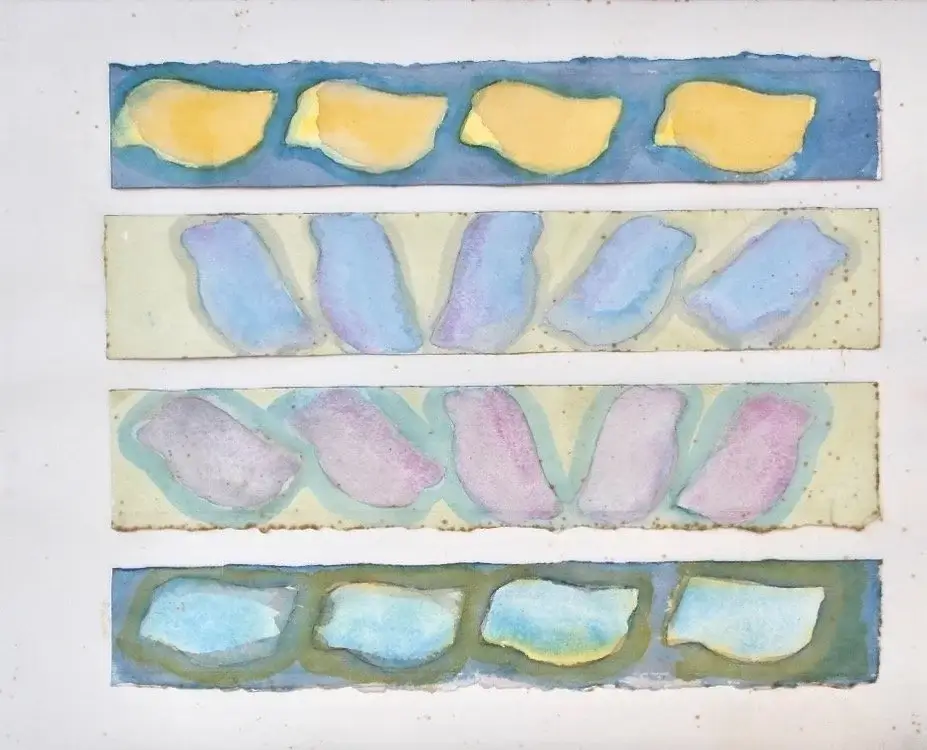
Chicks in a Row
22’x24’ WC on paper [1986]
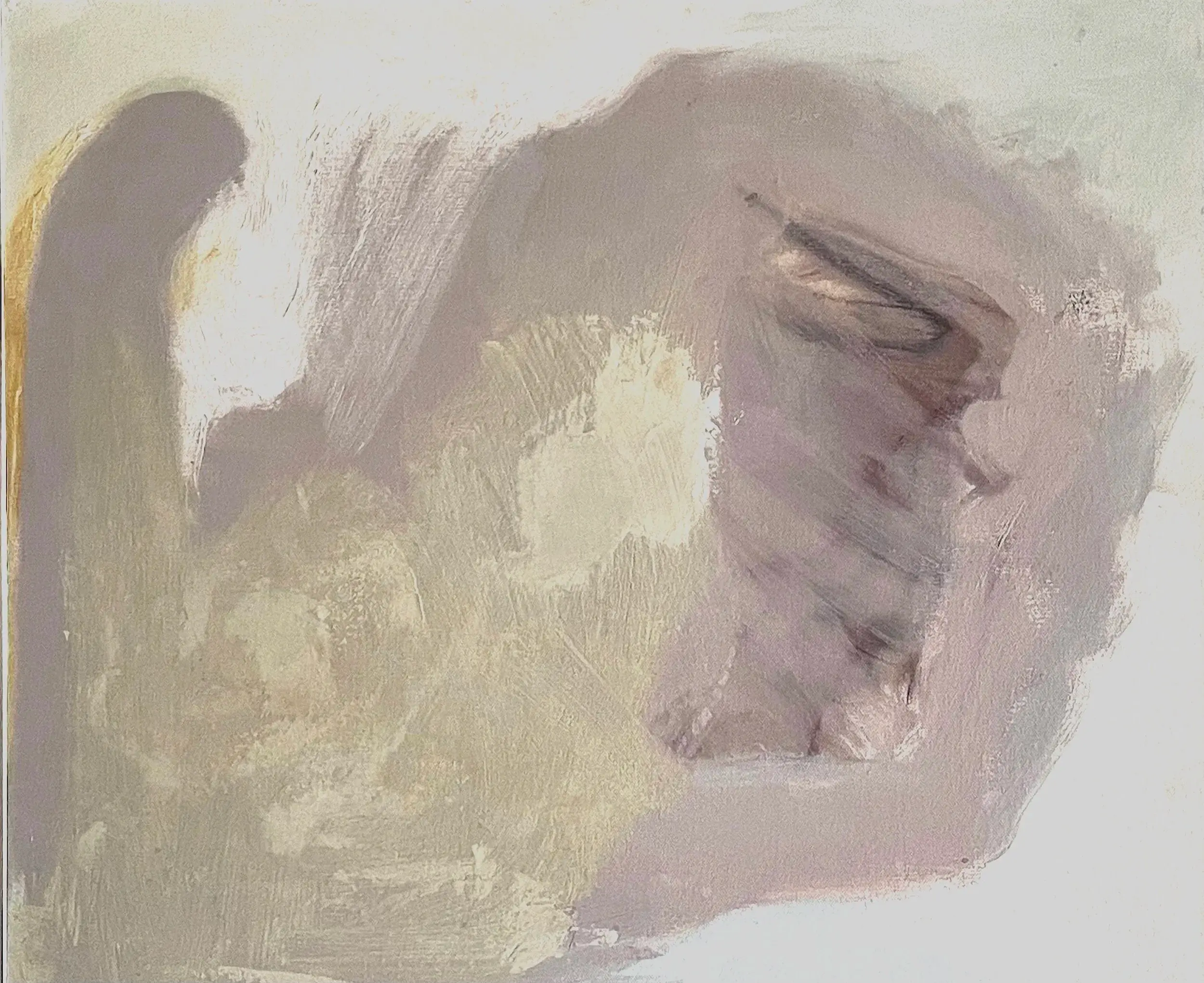
Bridal Veil Falls
20×24” Acrylic on canvas [1975]
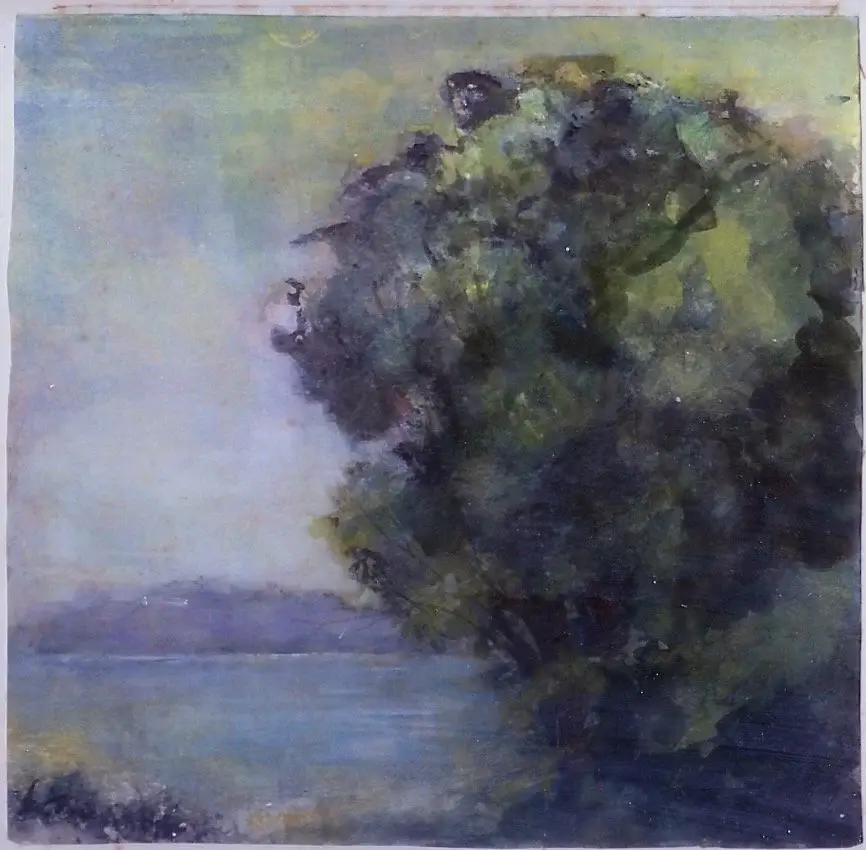
Lakeside
7.25×7.5” WC on paper [1971]
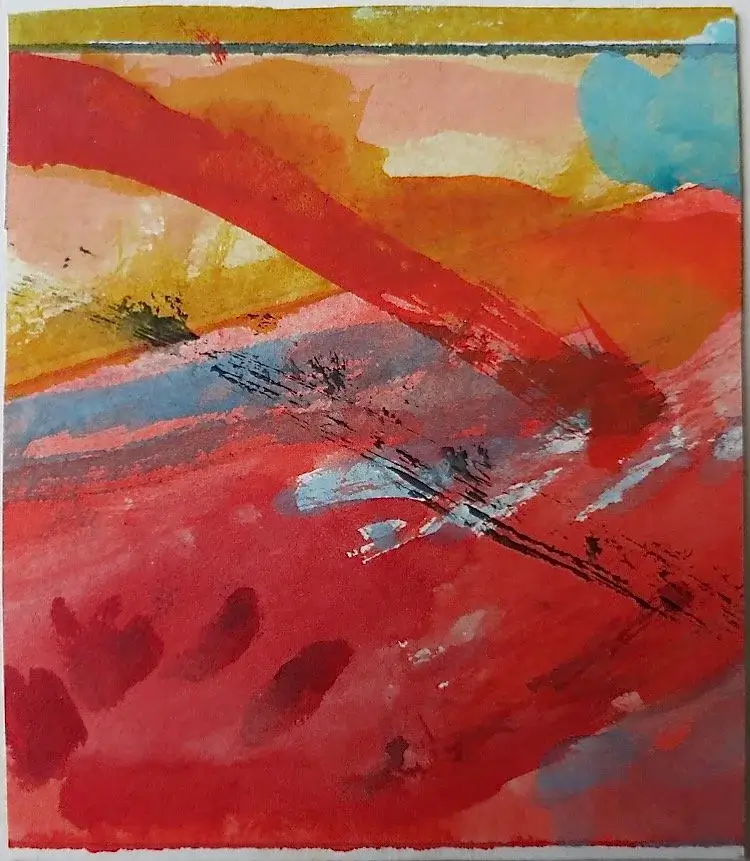
Red Square
4×3.75” WC on card stock [1983]
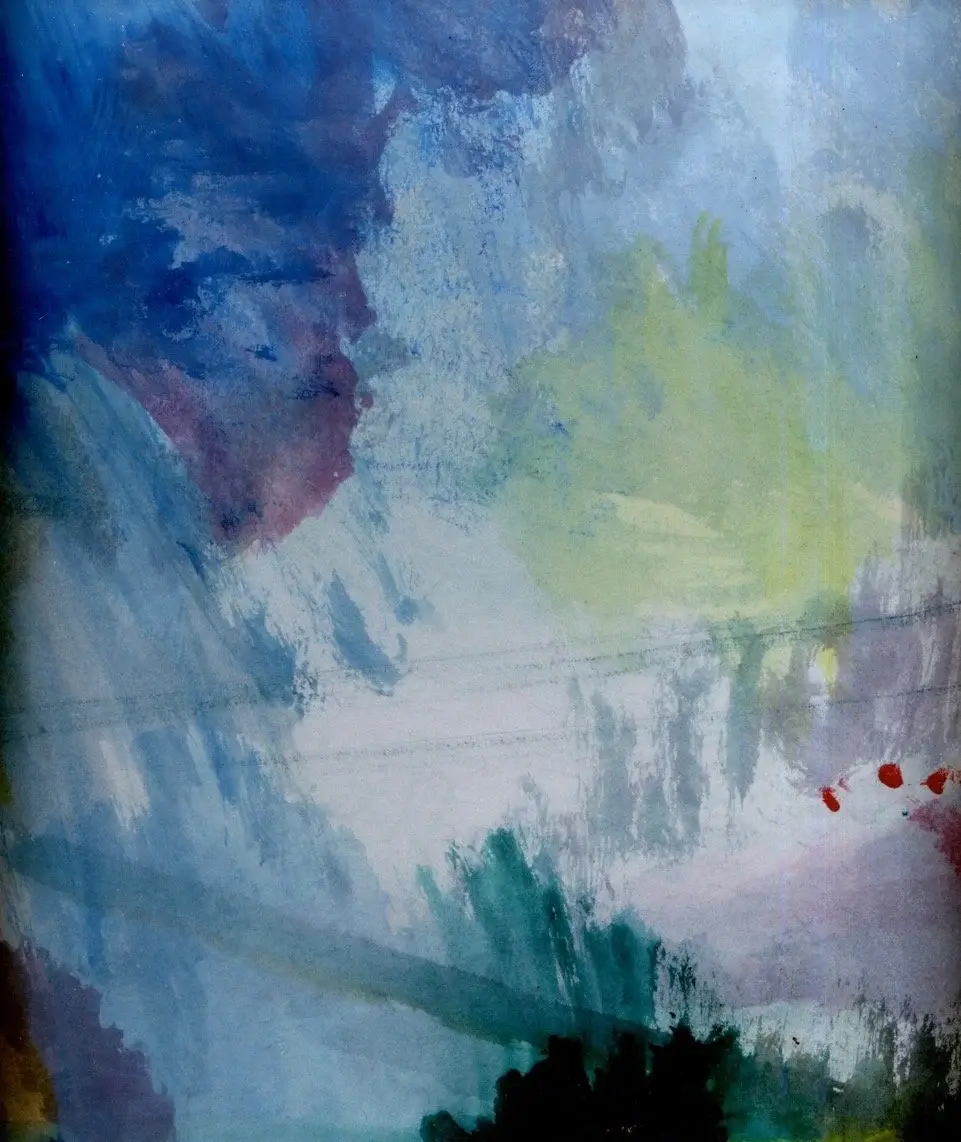
Three Red Dots
10.5×10.25” WC on paper [1982]
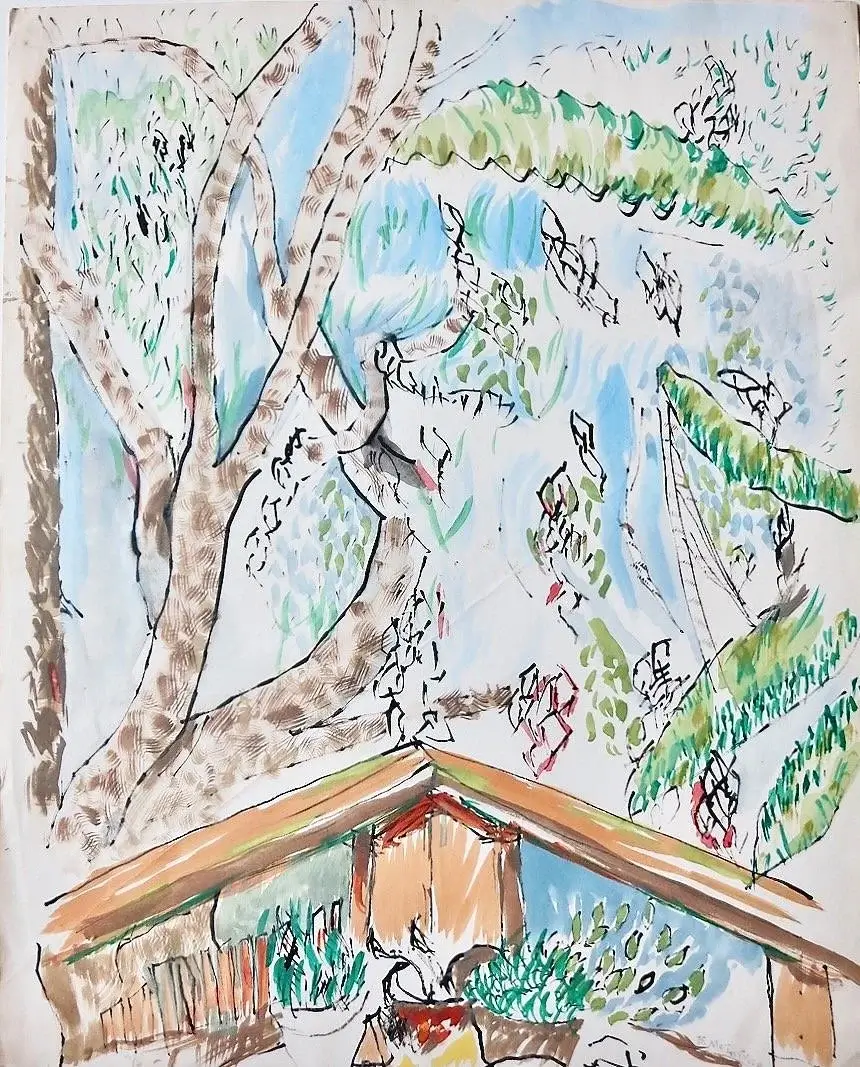
Trees on a Rooftop
13.5×11” WC, ink on paper [1990s
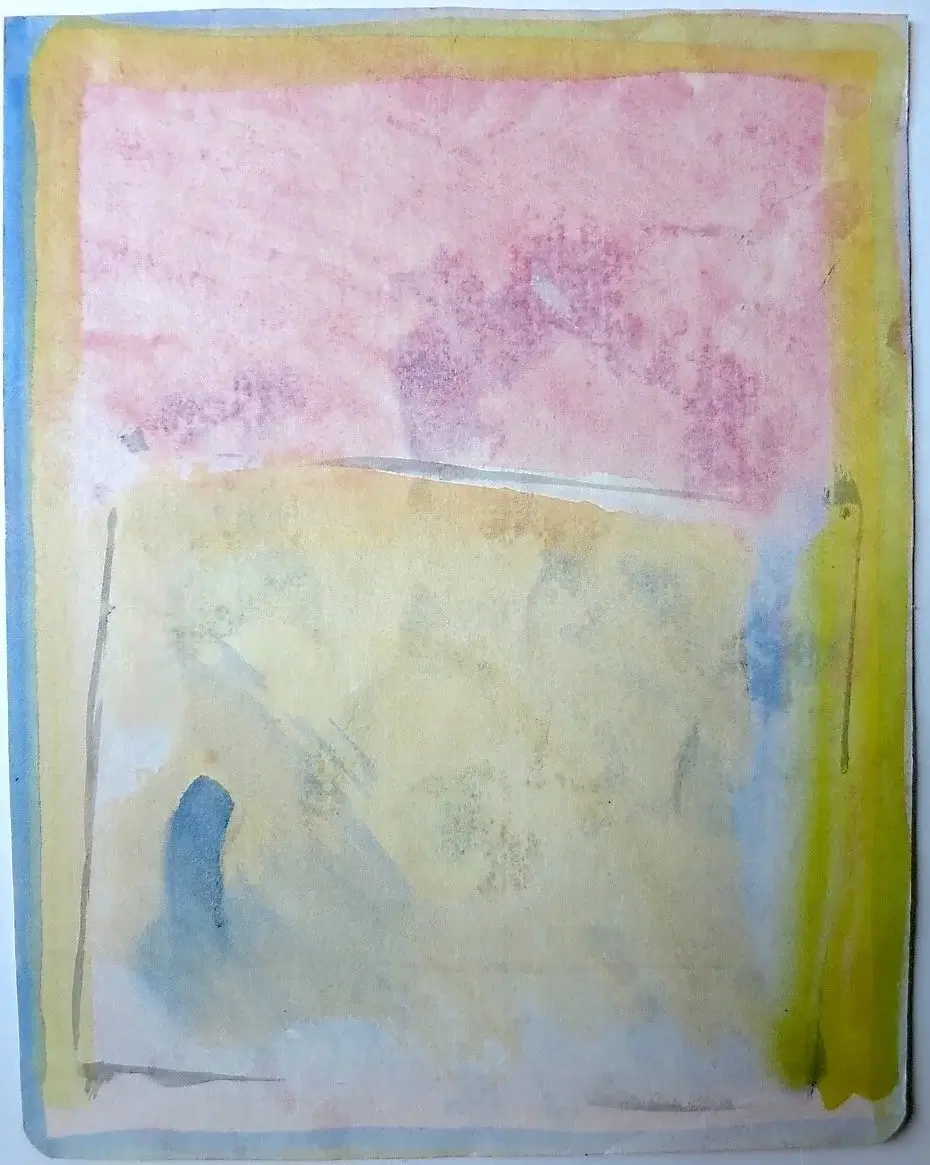
Pink Window #2
12.25×9” WC on paper [1980]
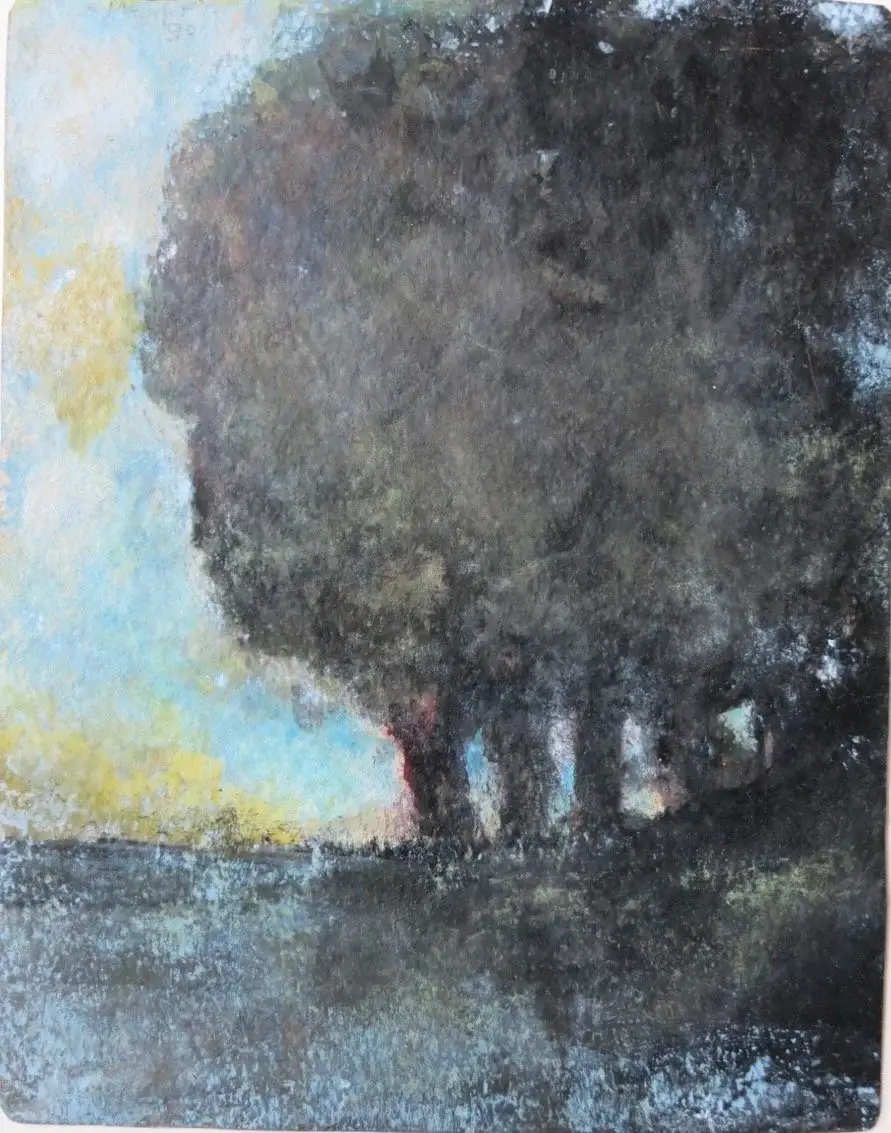
Five Trees
7×5″ WC, gouache on paper [1970s]
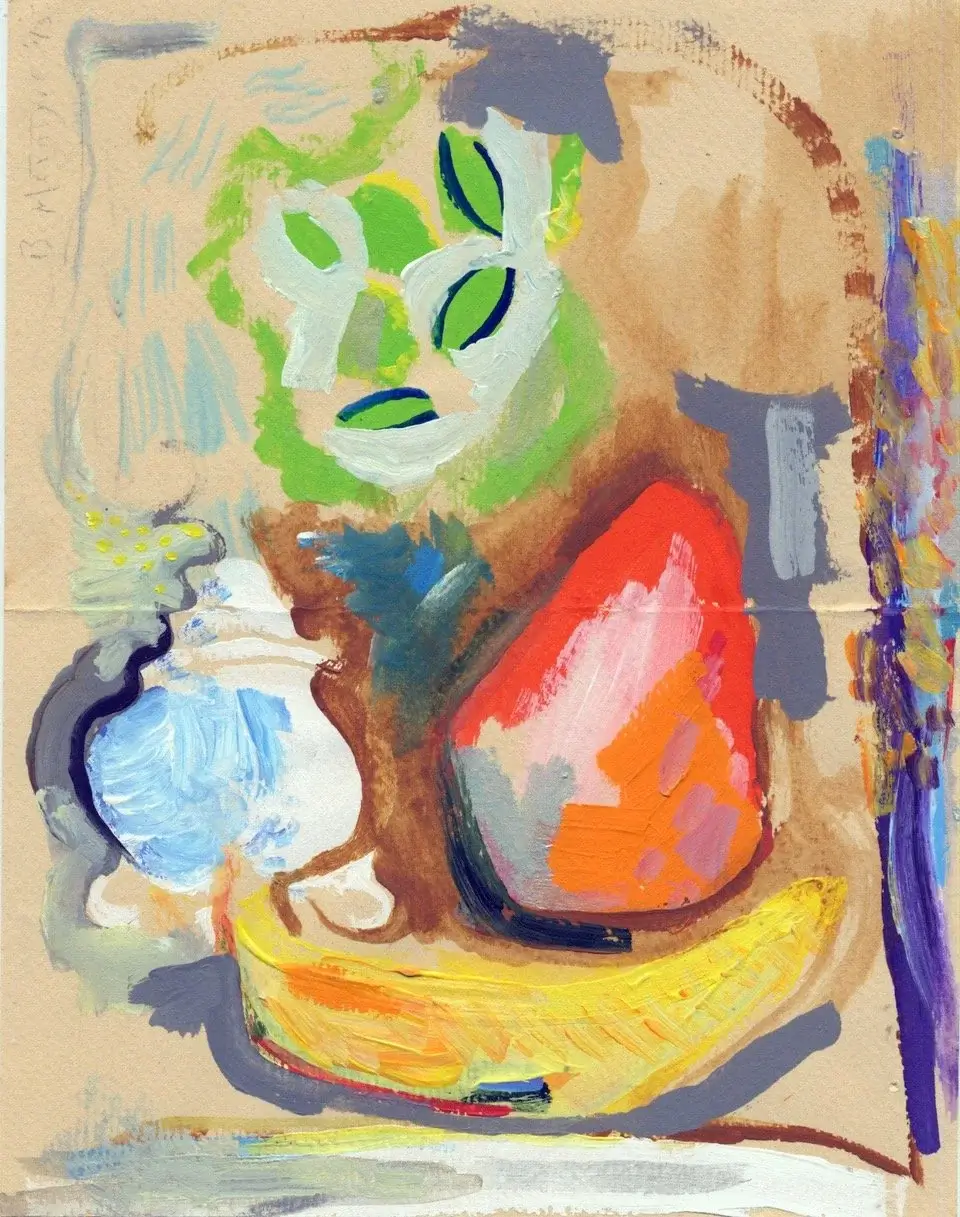
Jade Tree, Incense and Fruit
8×6” WC, gouache on paper [ND]
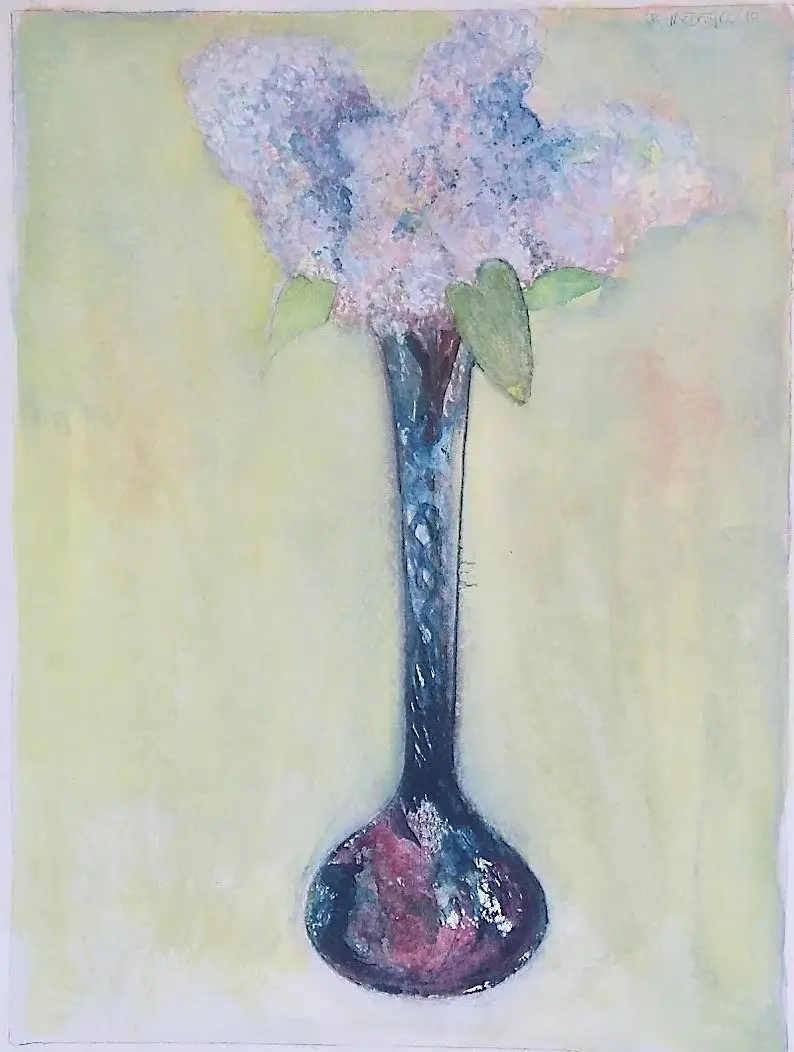
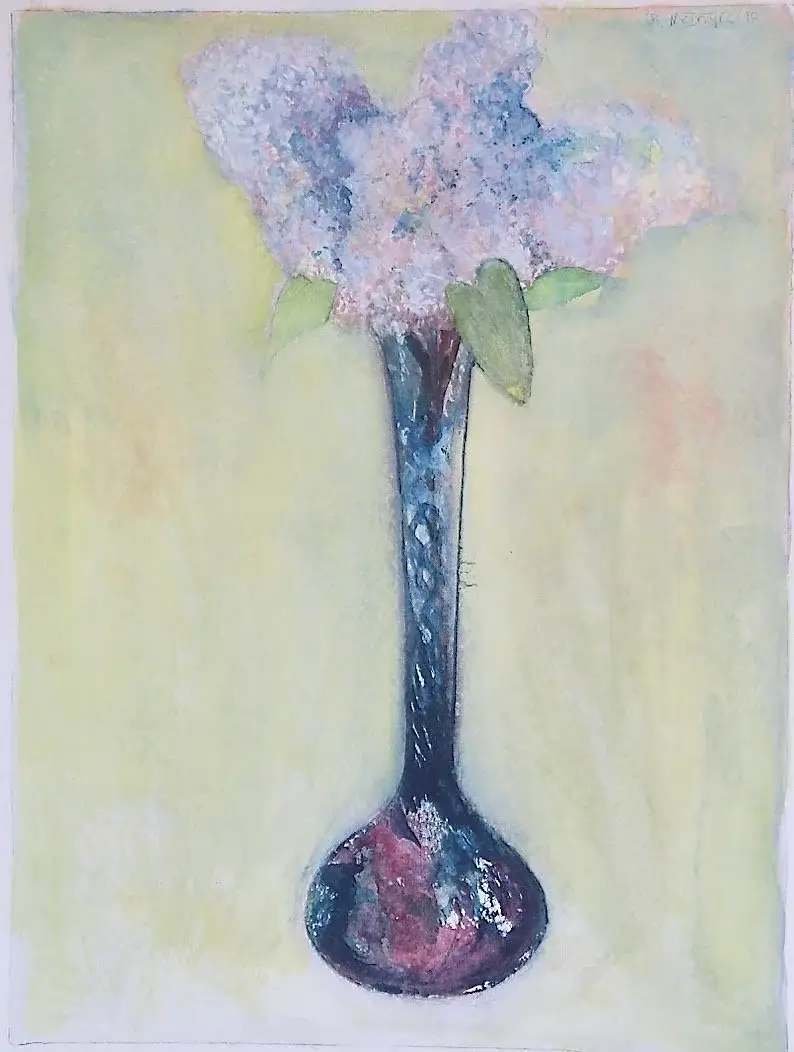
Lilacs in Blue Vase
12×9” WC on paper [1980s]
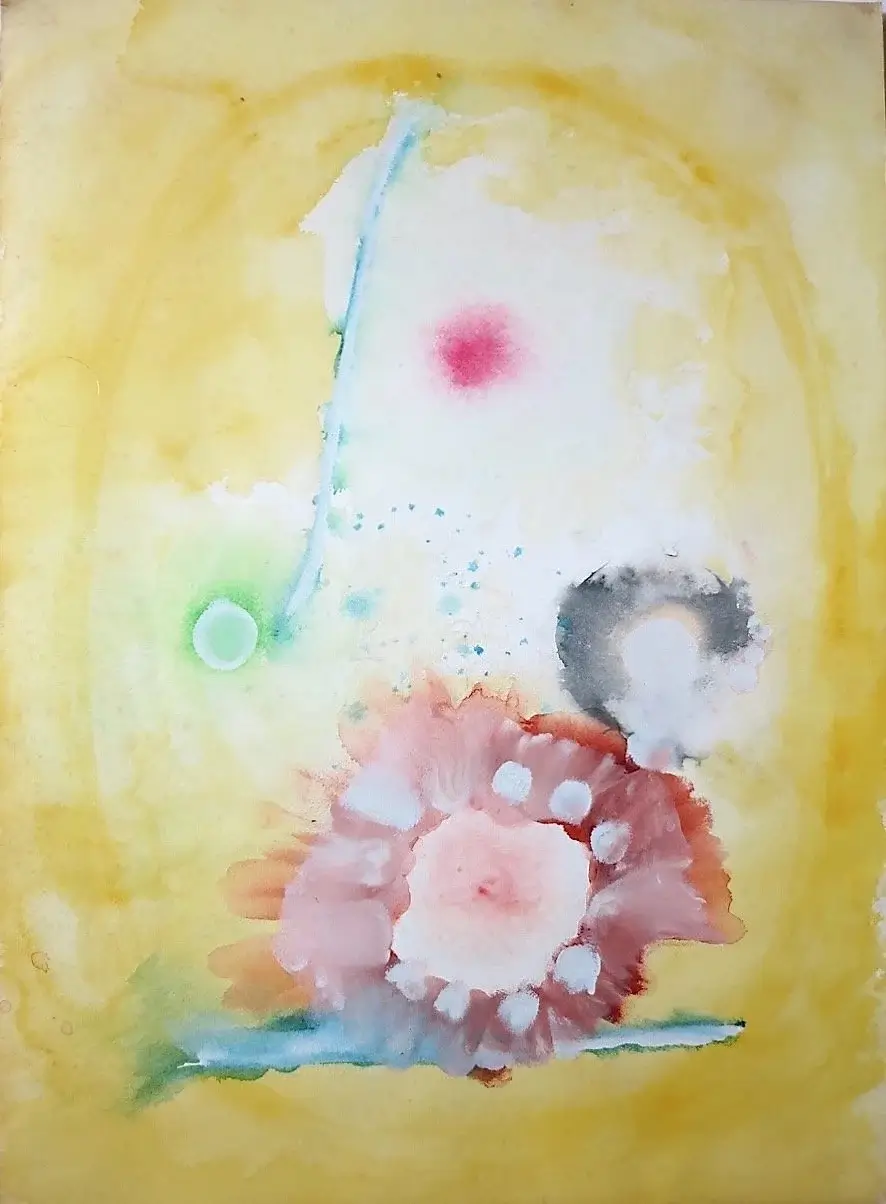
Desert Flower
19.5×14” WC on paper [1971]
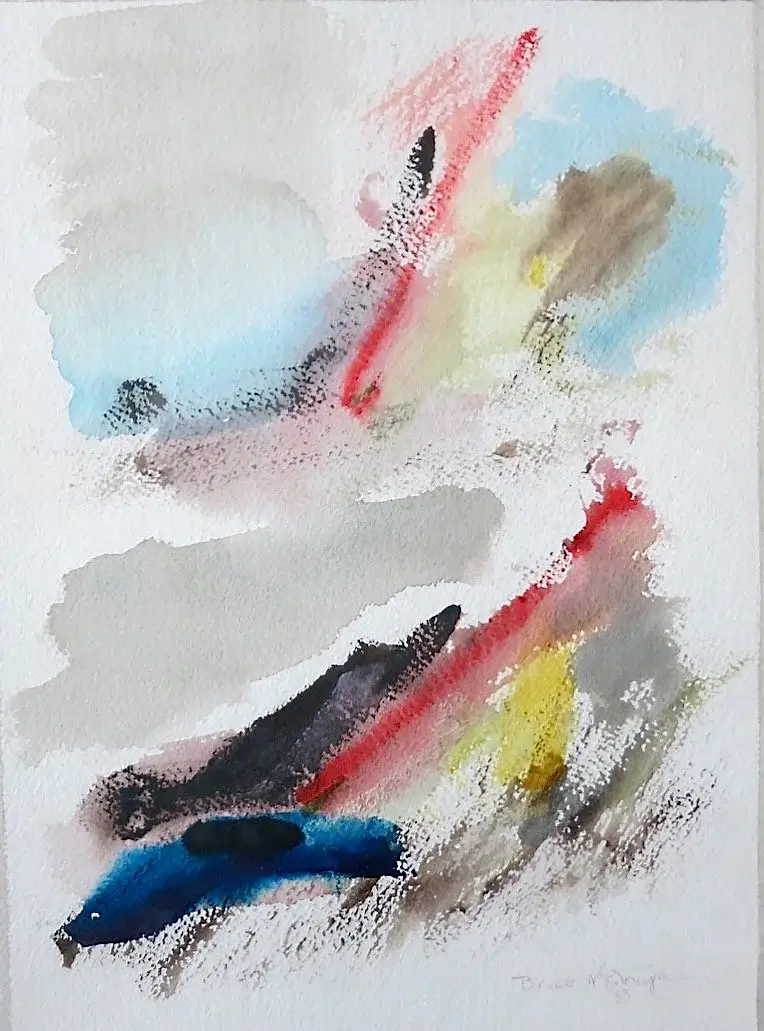
Windswept
11×8” WC on paper [1983]
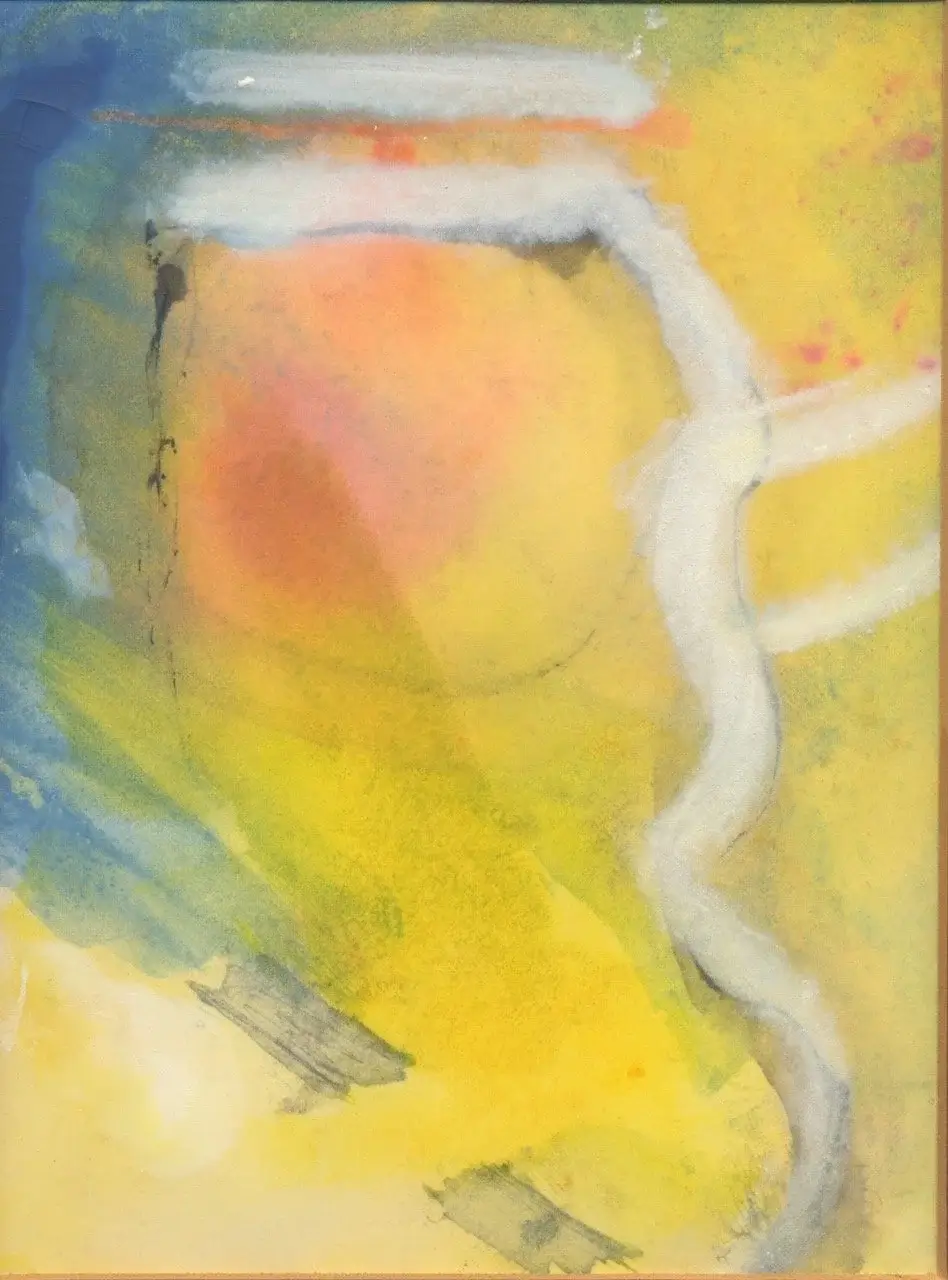
View from Above
11.5×9” WC on paper [1979]

Golden Portal
15.5×12” WC on paper [1975]
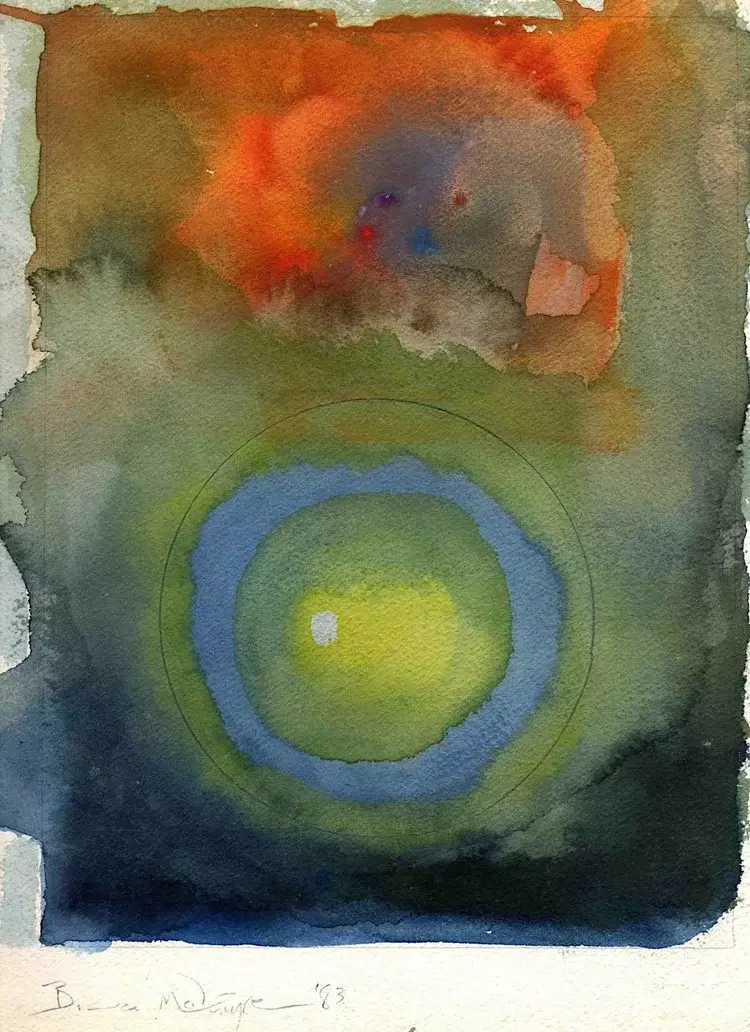
Blue Circle in Space
12×9” WC on paper [1983]
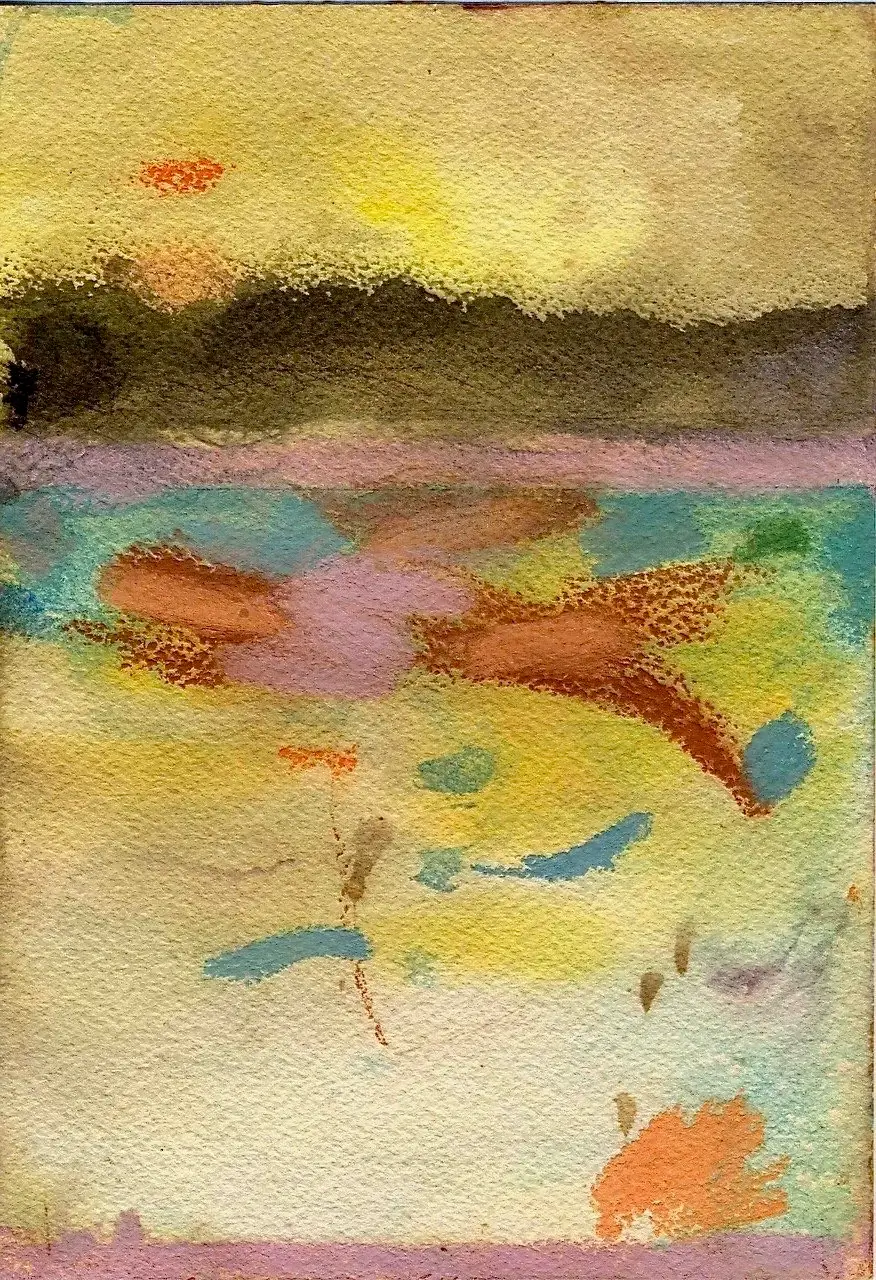
High Horizon
11×9” WC, gouache on paper [1976]
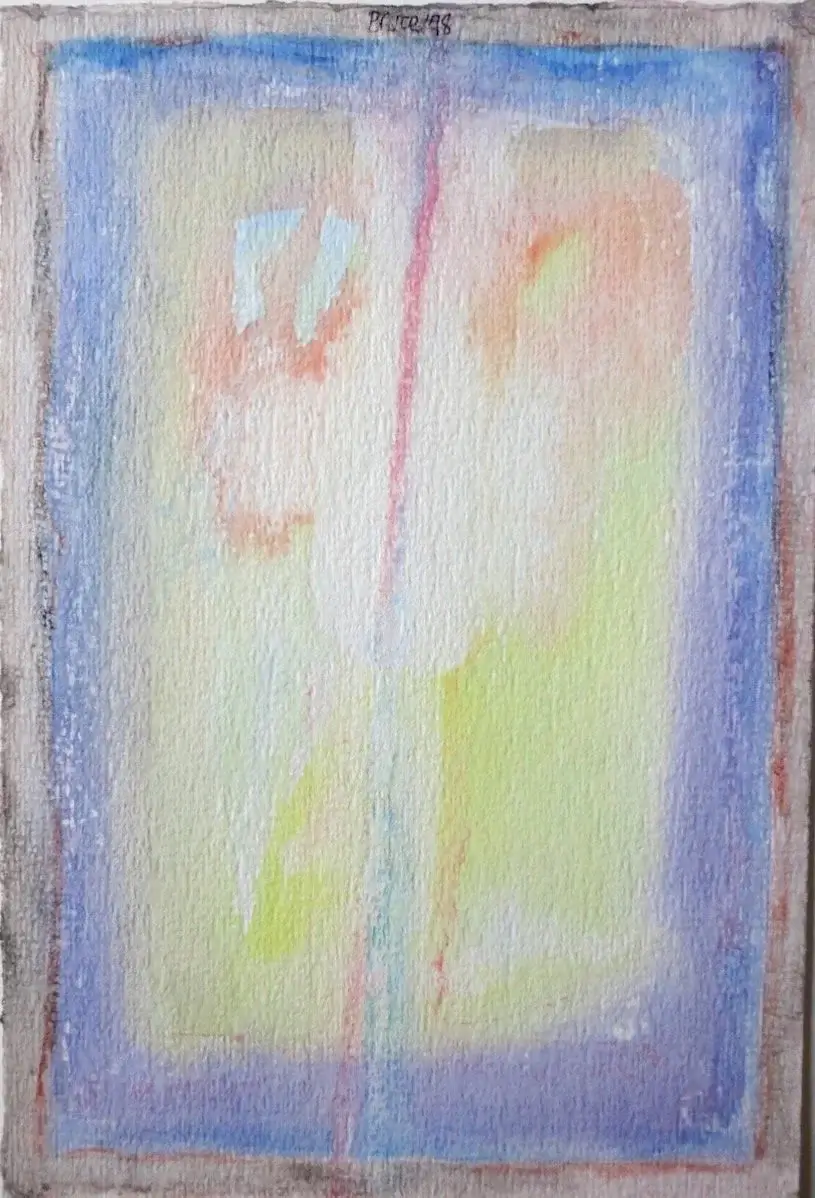
Blue Window
9×6” WC on paper [1979]
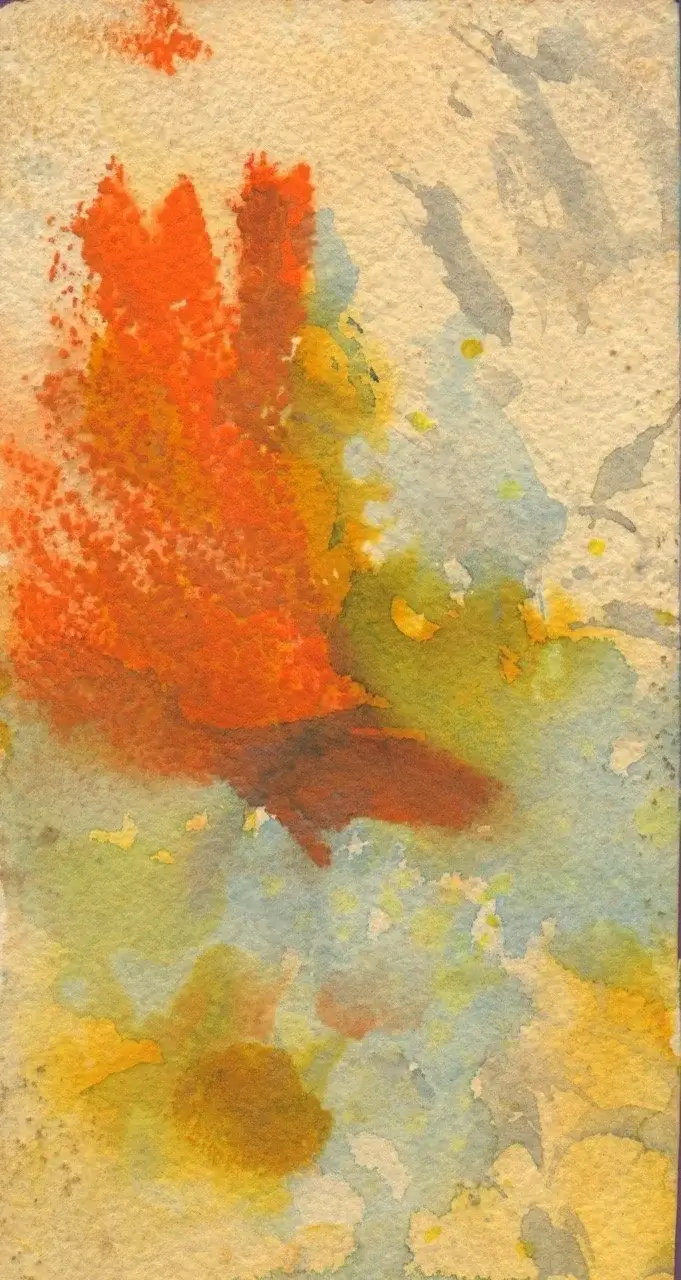
Orange Splash
7×3.5” WC on paper [1972]
Drawings
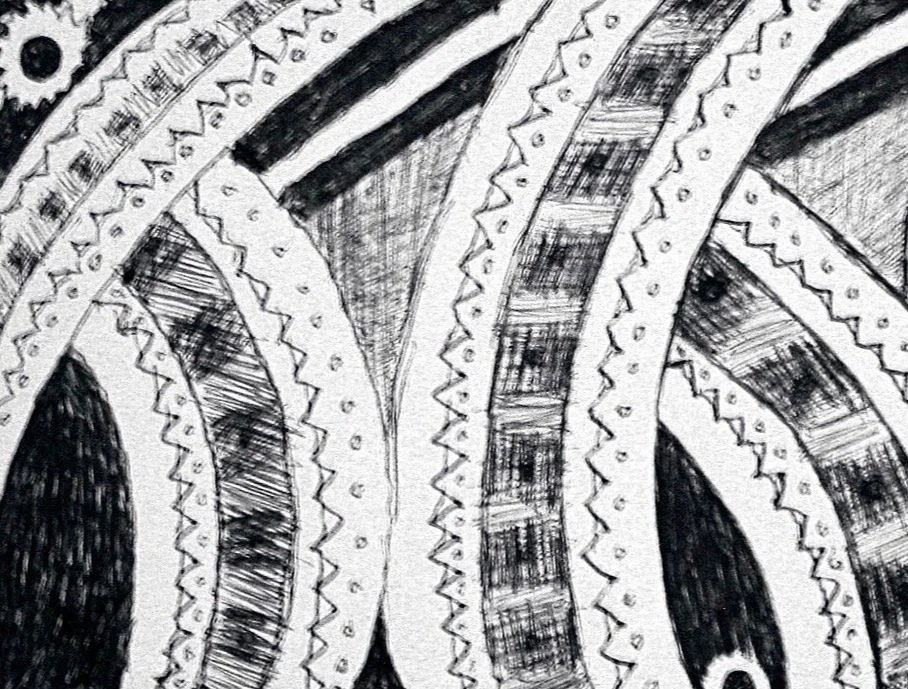
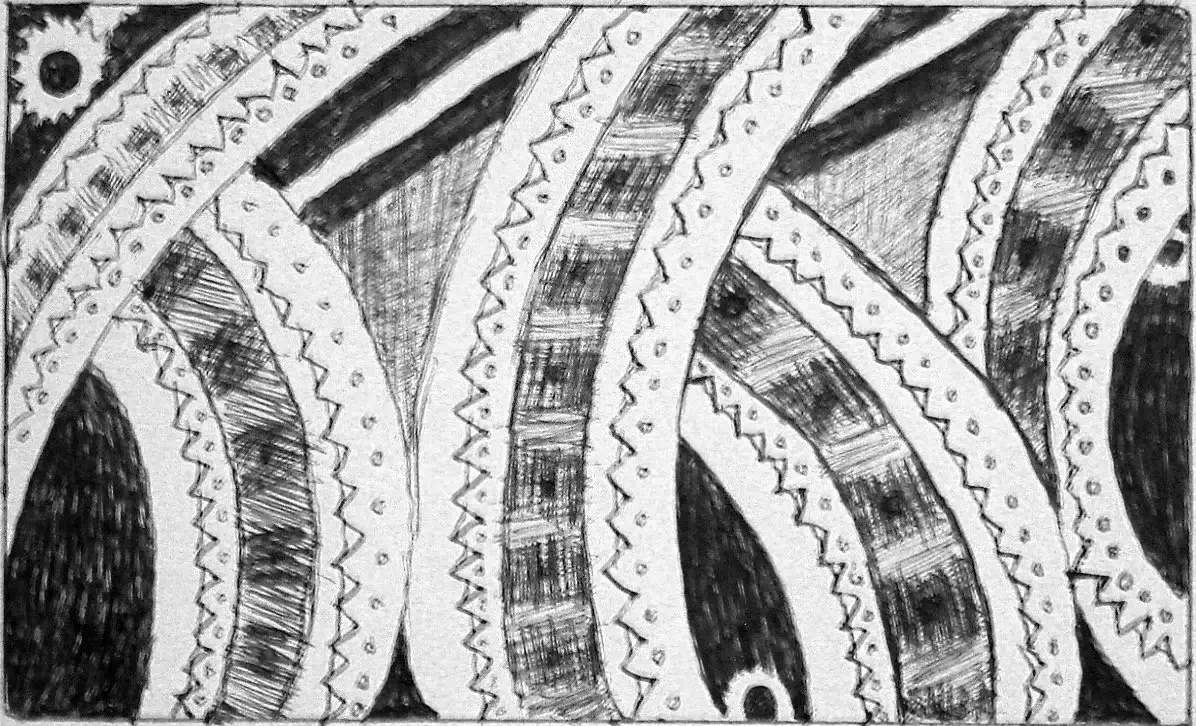
McIntyre’s drawings reveal his appreciation for both “needle sharp” intricacy and inherent spontaneity; at once the world’s most cerebral doodler, fantastical naturalist and inspired draftsman. These works render painstaking precision for their size–as small as 4×6”–as they flow with the wind, tangle in loops, bloom into landscapes and feather into air. Easily accessible, forgiving and expressive, the medium was clearly Bruce’s most joyful.
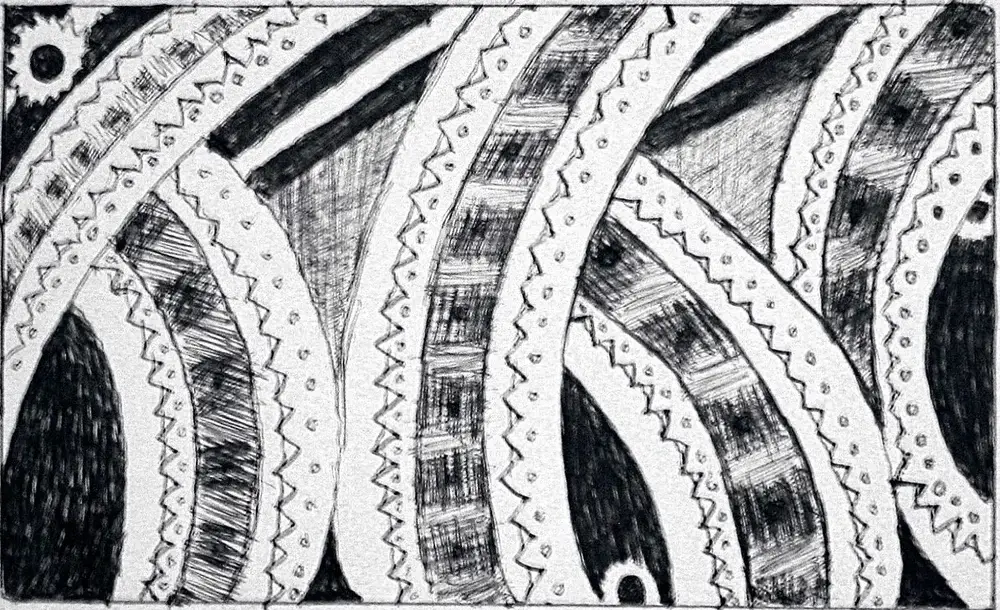
Ribbons
4×6” Ink on paper [1994]
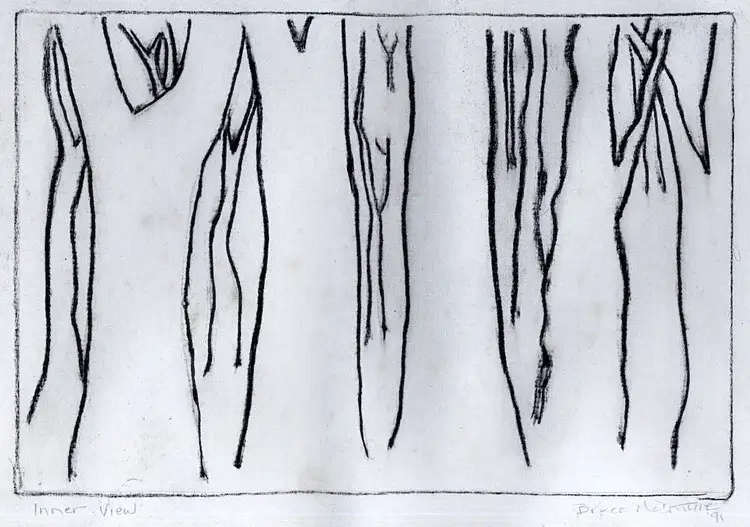
White Grove
4×6” Ink on paper [1990]
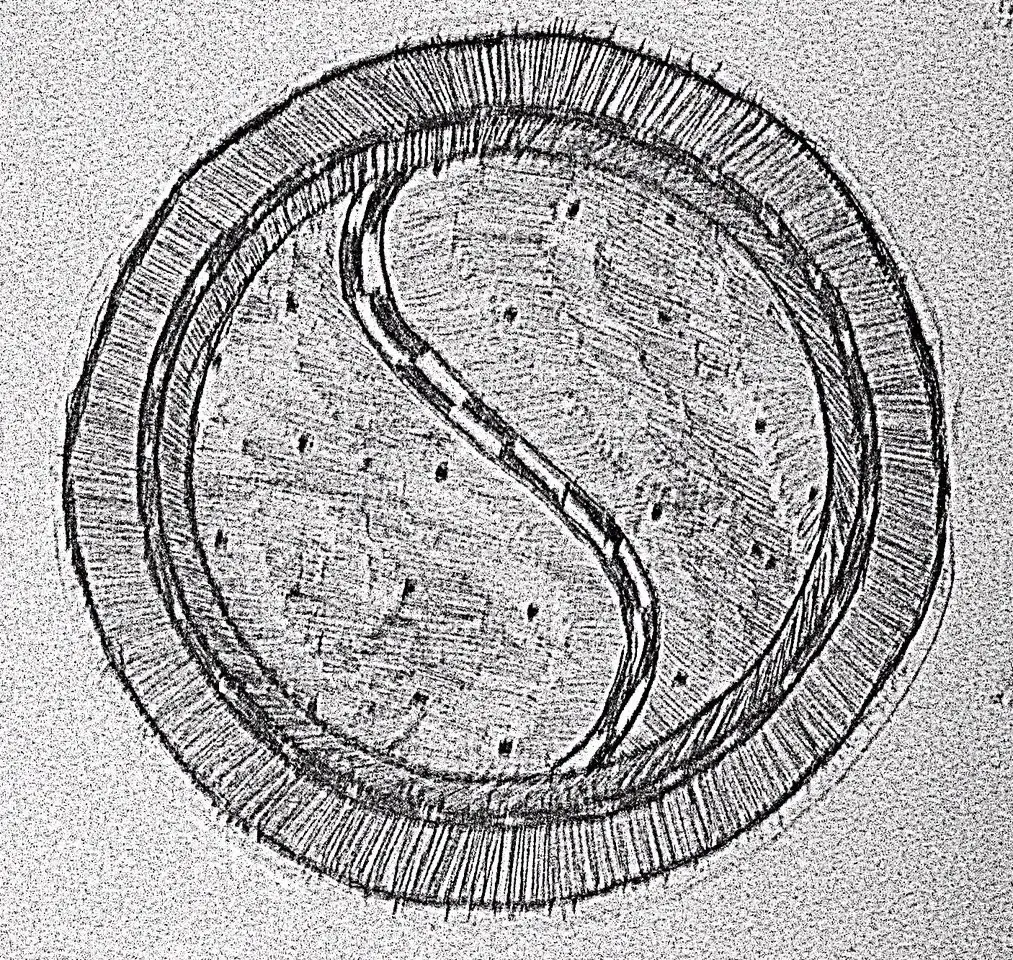
Ying to Yang
6×6” Ink on paper [1990s]
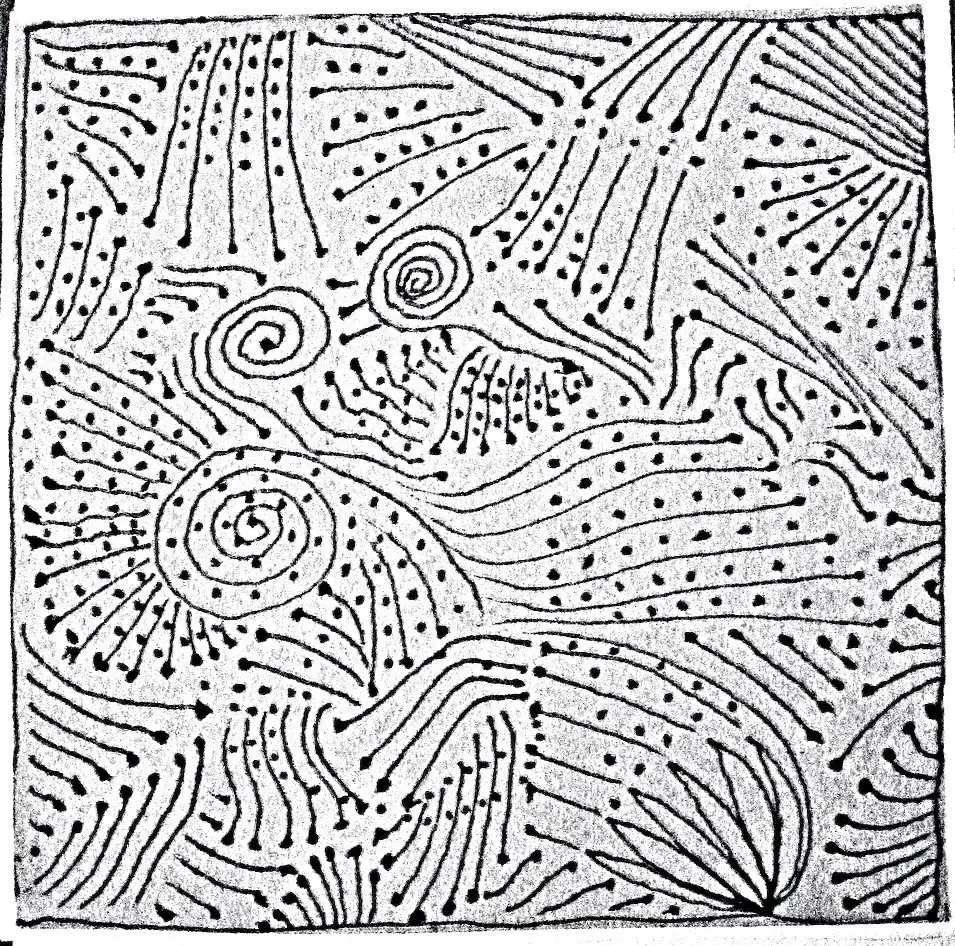
Ode to Klee
6×6” Ink on paper [1997]
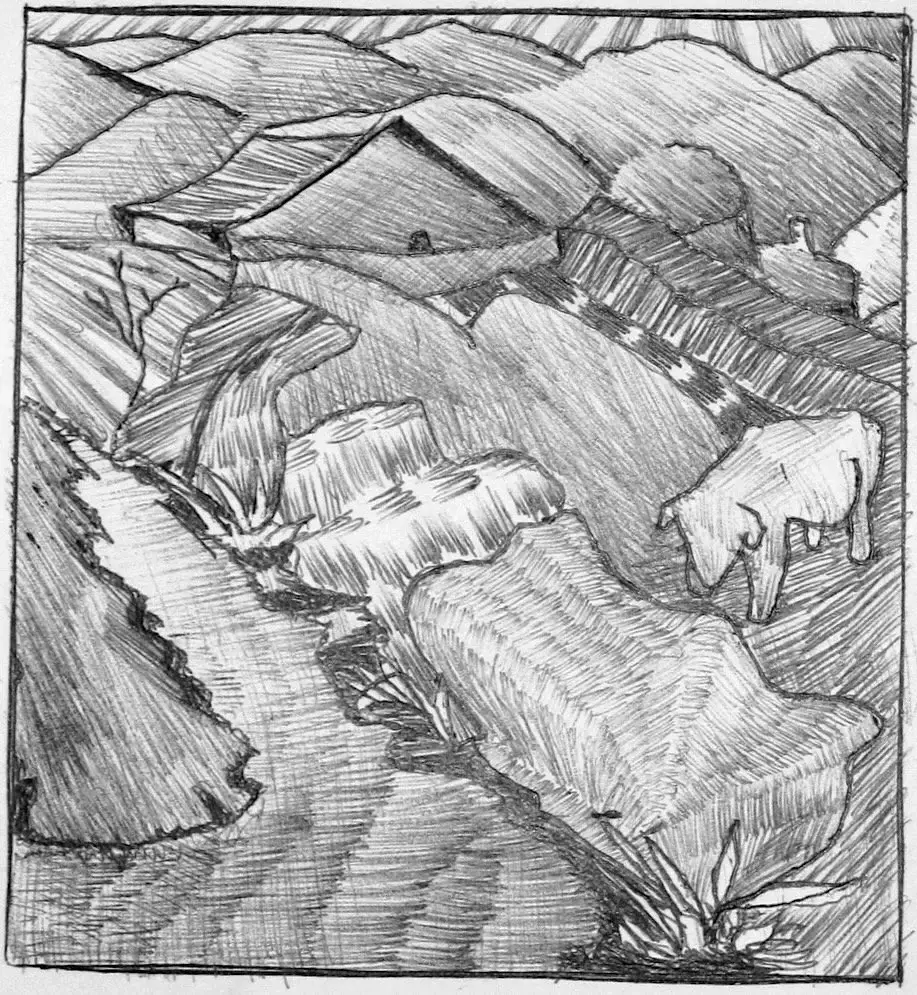
Manny’s Farm
6×6” Ink on paper [1993]
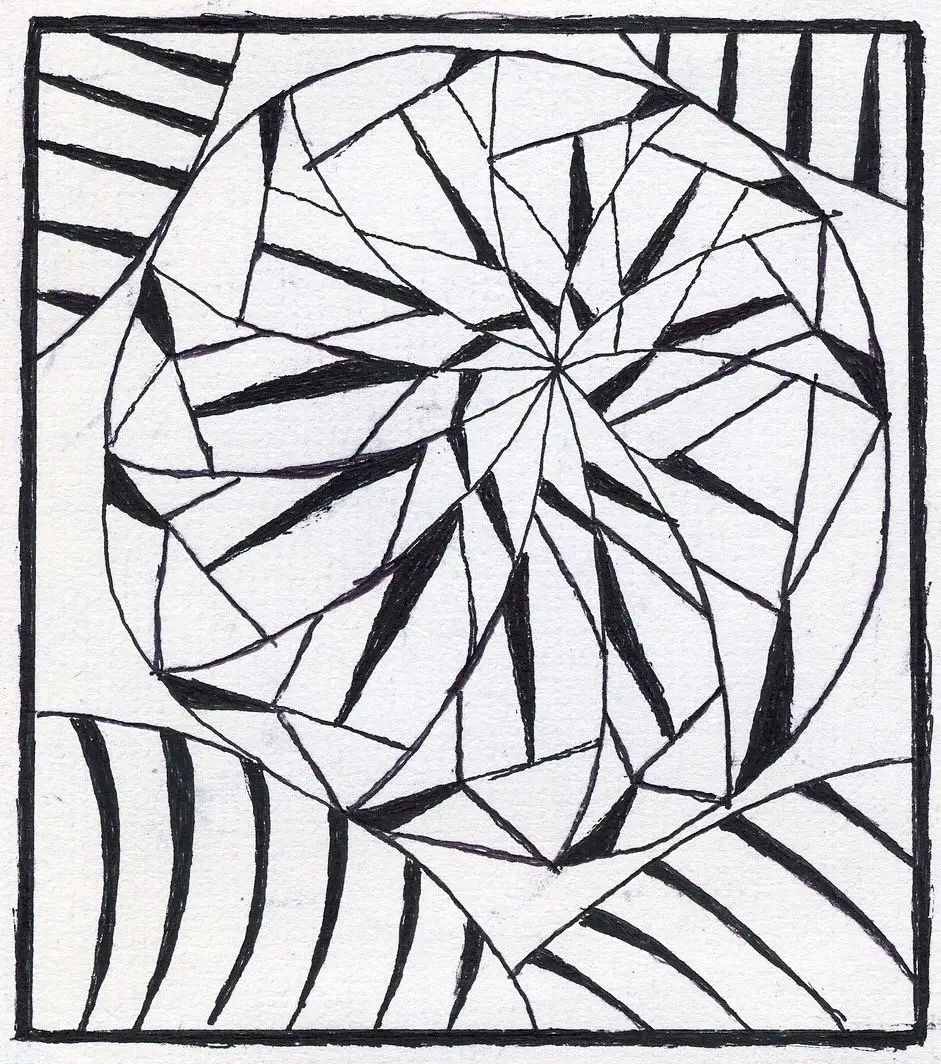
Floral Patterns
6×6” Ink on paper [1997]
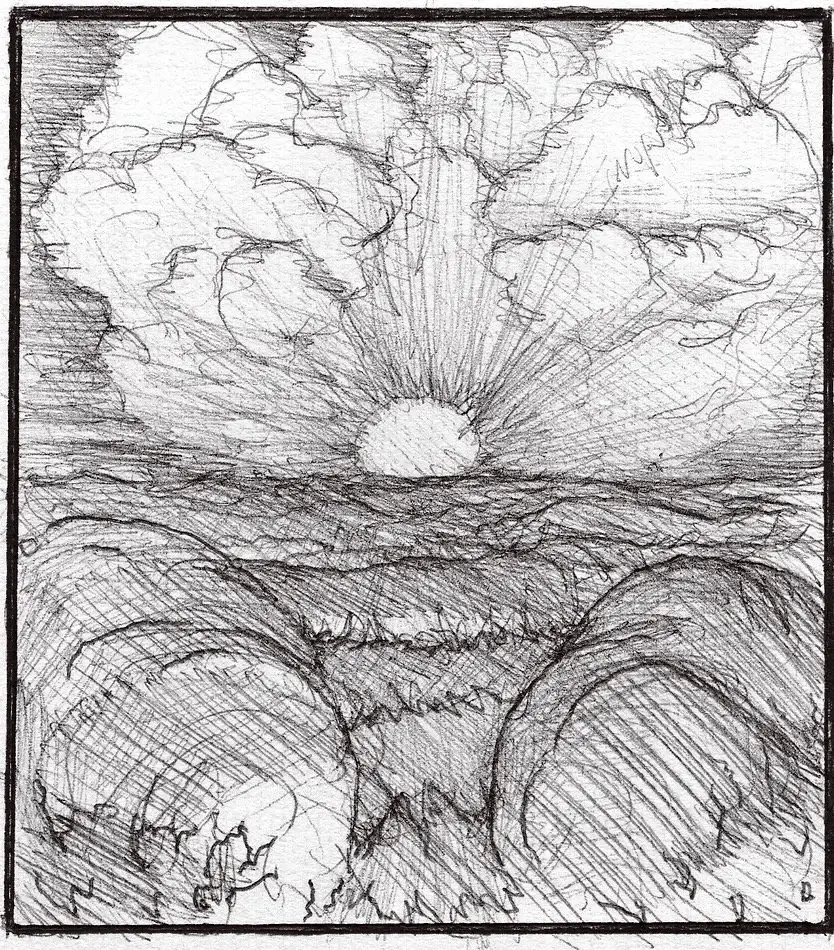
The Perfect Storm
6×6” Ink on paper [1994.]
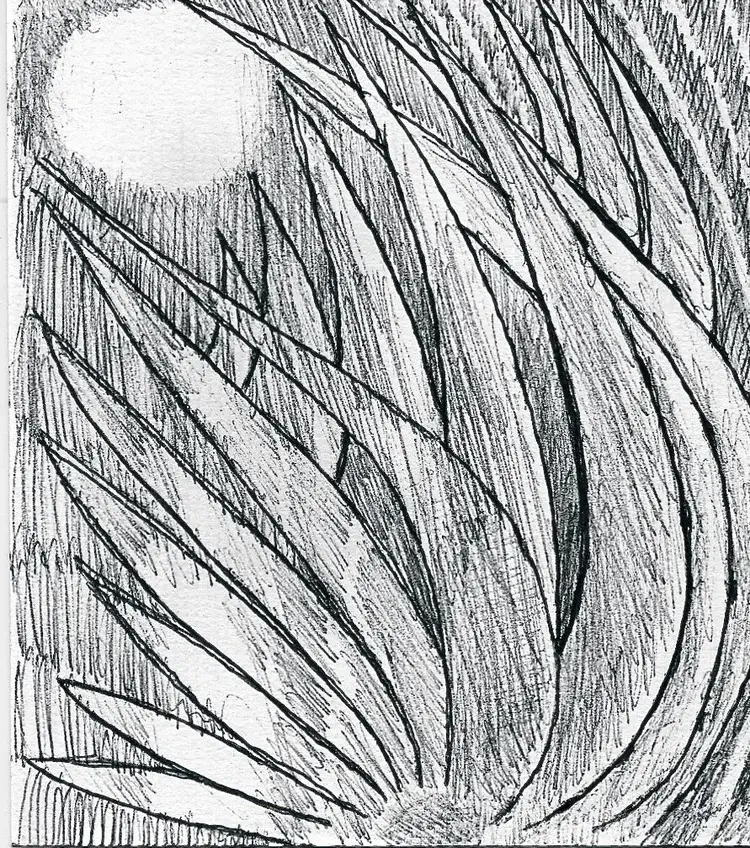
Gravity and Dreams
7×5” Ink on paper [1993]
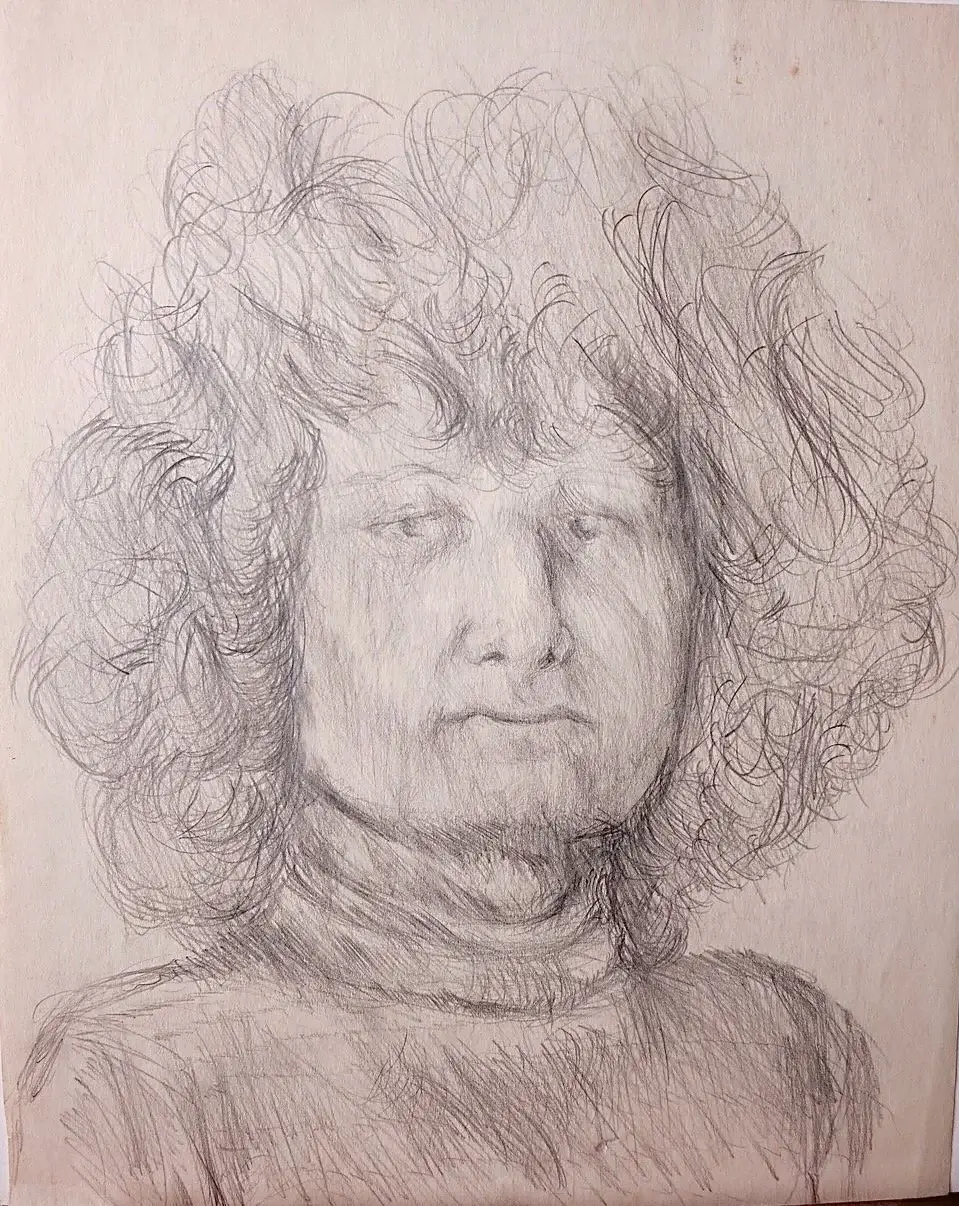
Mr. Koosis
7×5” Graphite colored paper [1970s]
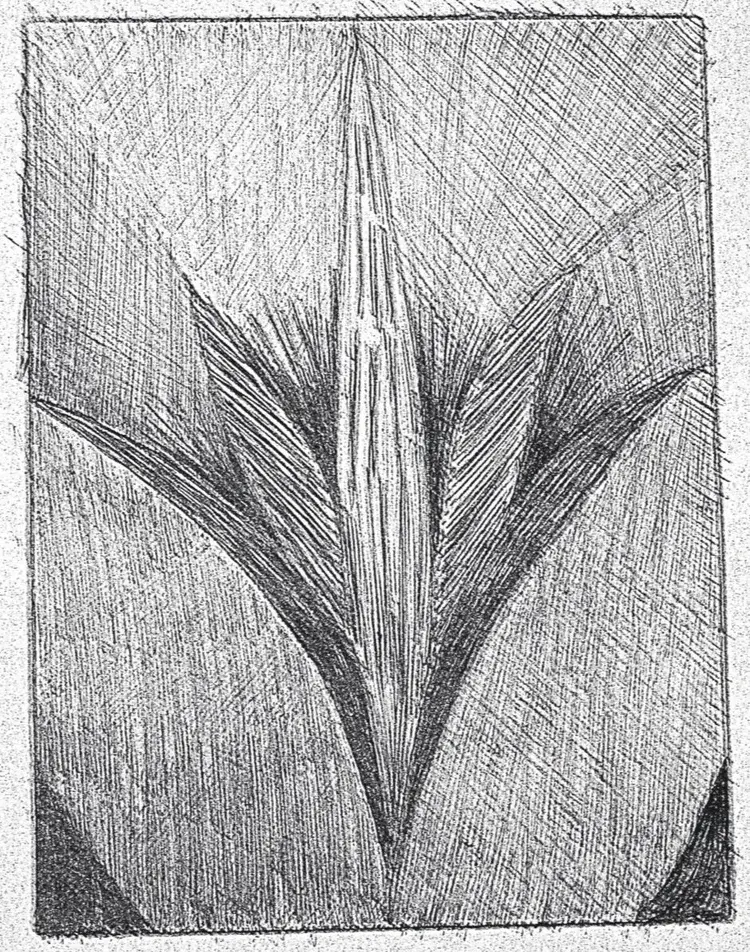
Eternal Flower
7×5” Ink on paper [1995]
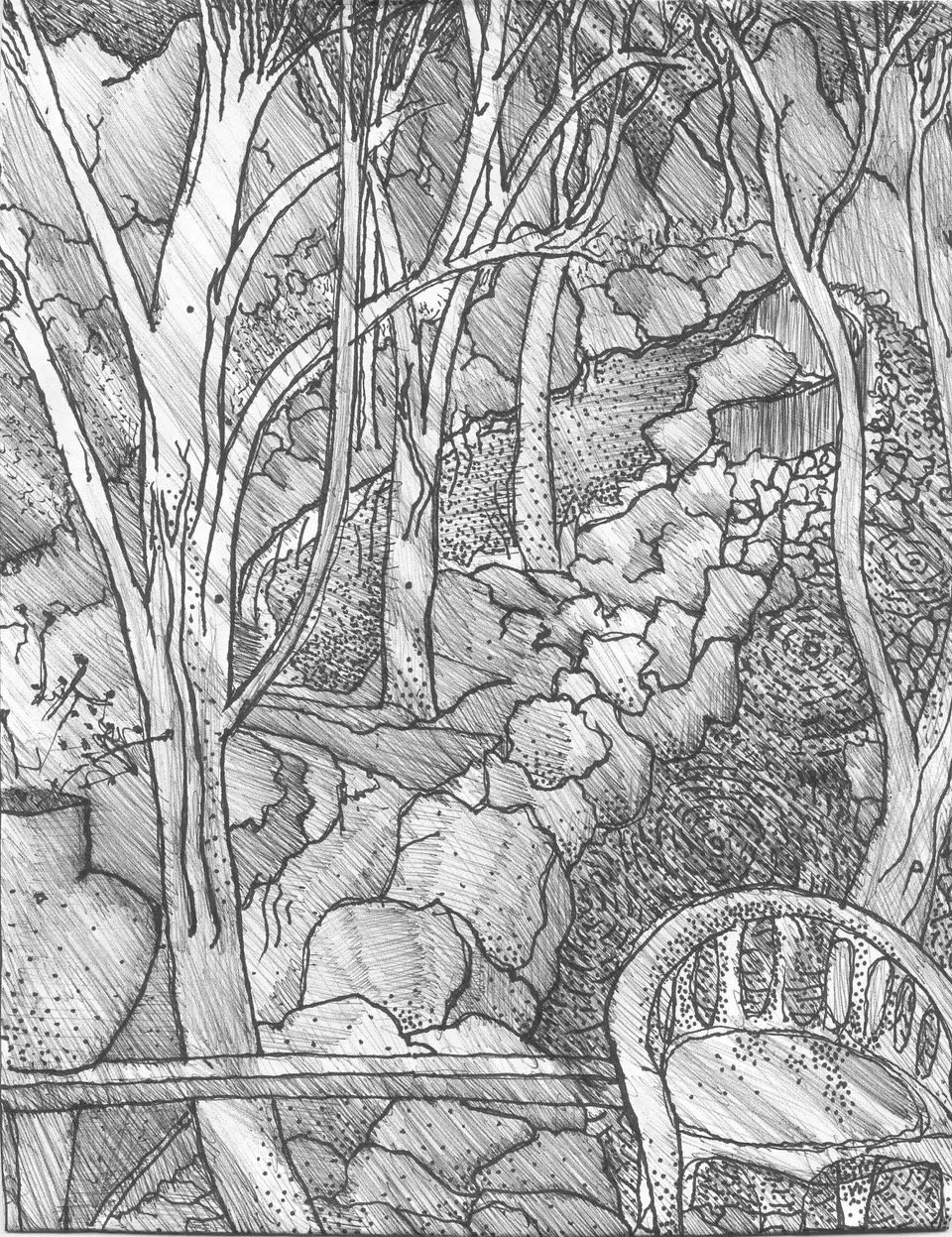
Eric’s Place
7×5” Ink on paper [1996]
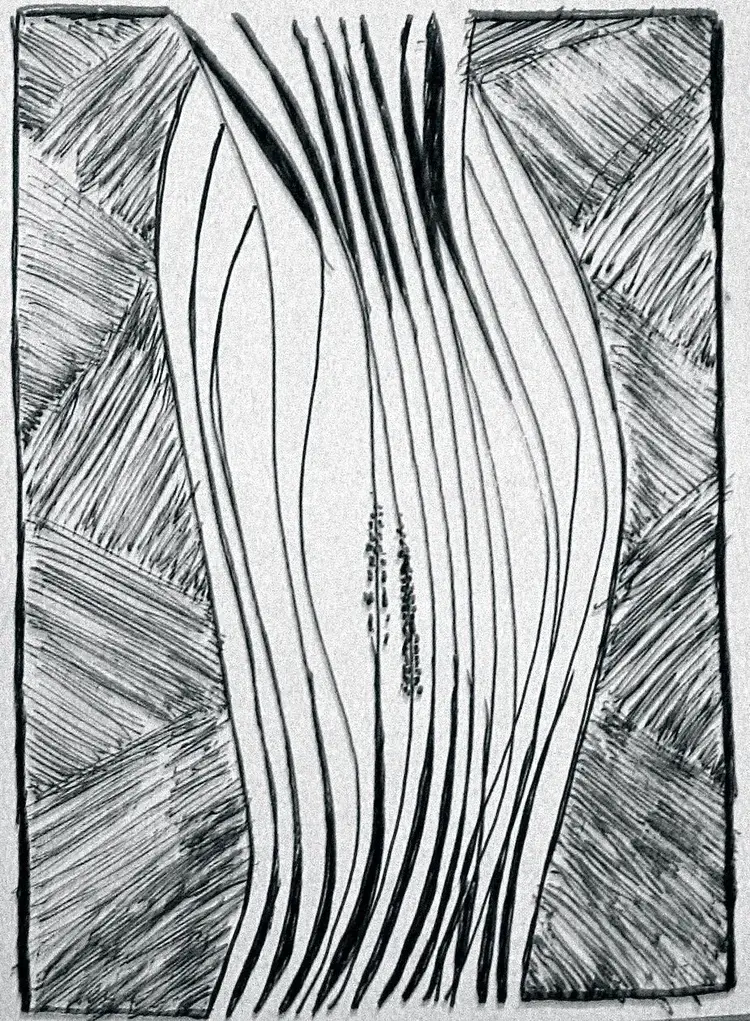
Currents
7×5” Ink on paper [1996]
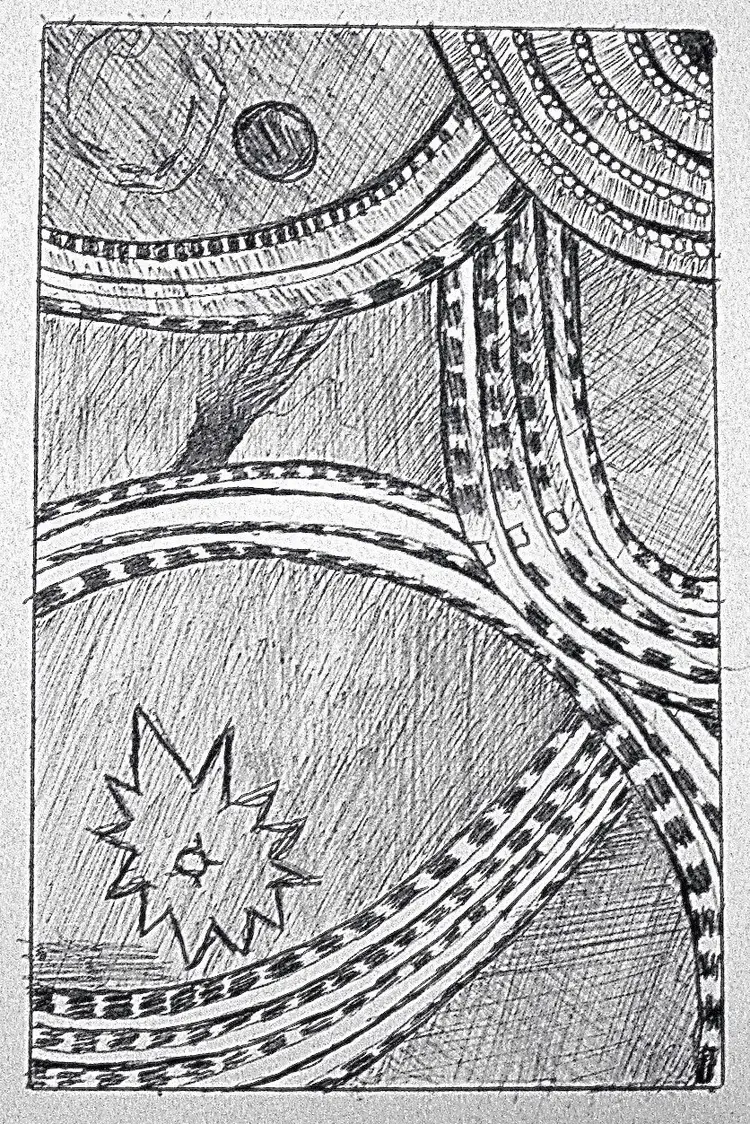
Garleands in the Forest
7×5” Ink on paper [1995]
![The Great Alto Riff [To Bird]](https://brucemcintyreart.com/wp-content/uploads/2025/12/62.DRPageGreat.webp)
The Great Alto Riff [To Bird]
9×6” Ink on paper [1996]
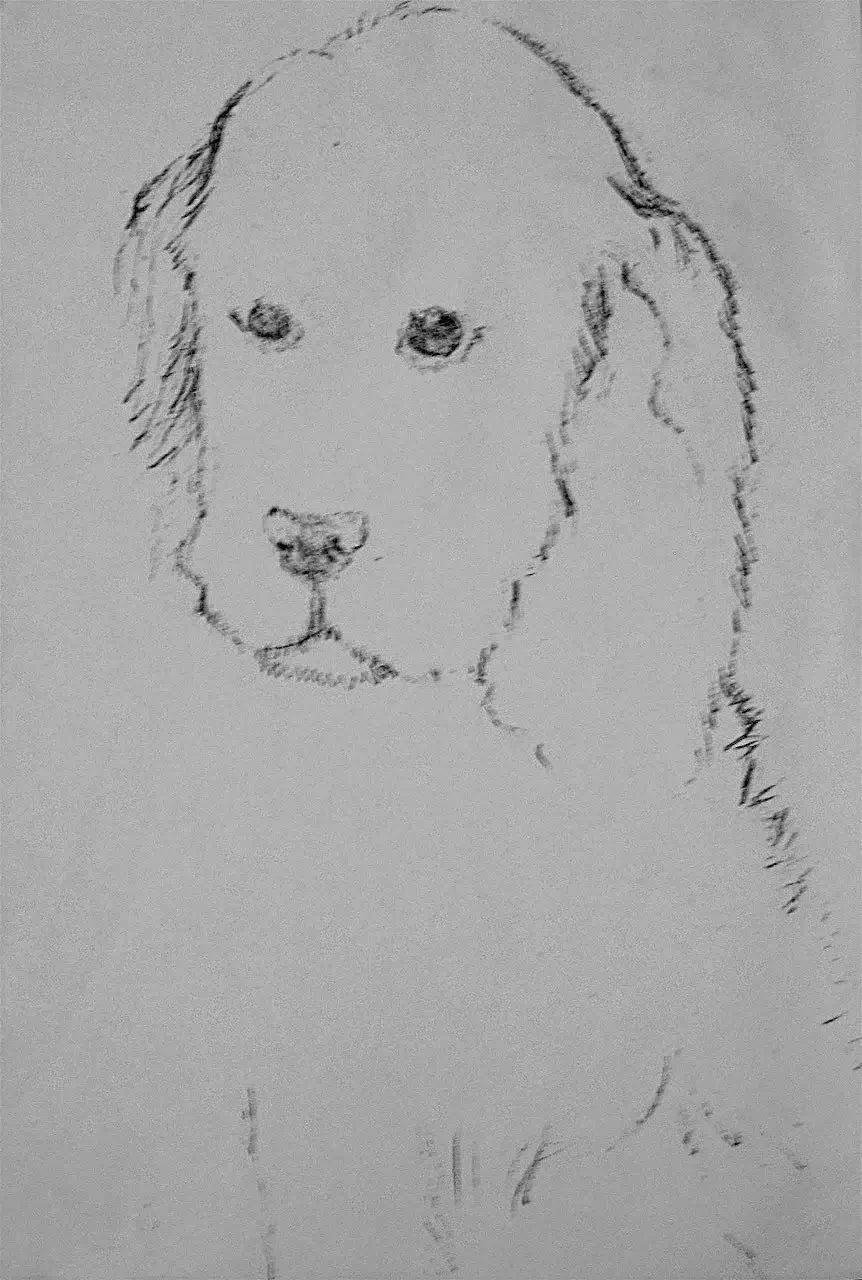
My Cocker
7×5” Graphite on colored paper [1990s]
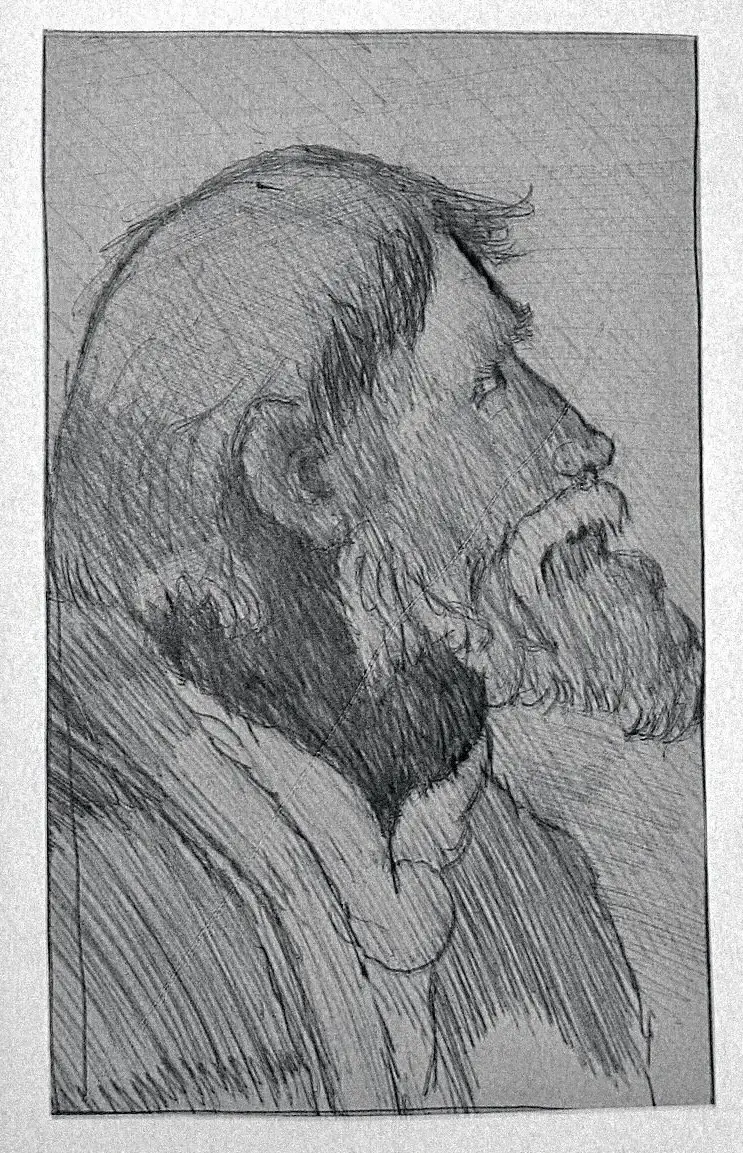
Bearded Old Man
7×5” Graphite on colored paper [1990s]
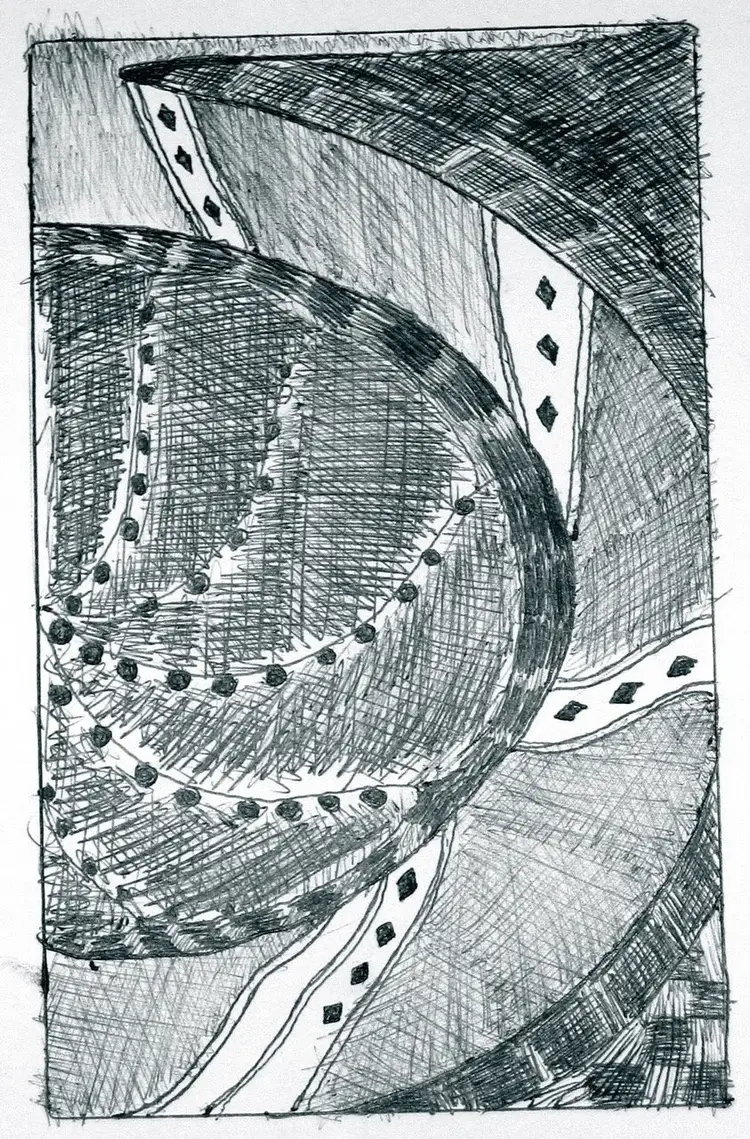
Tunnel Vision
7×5” Ink on paper [1994]
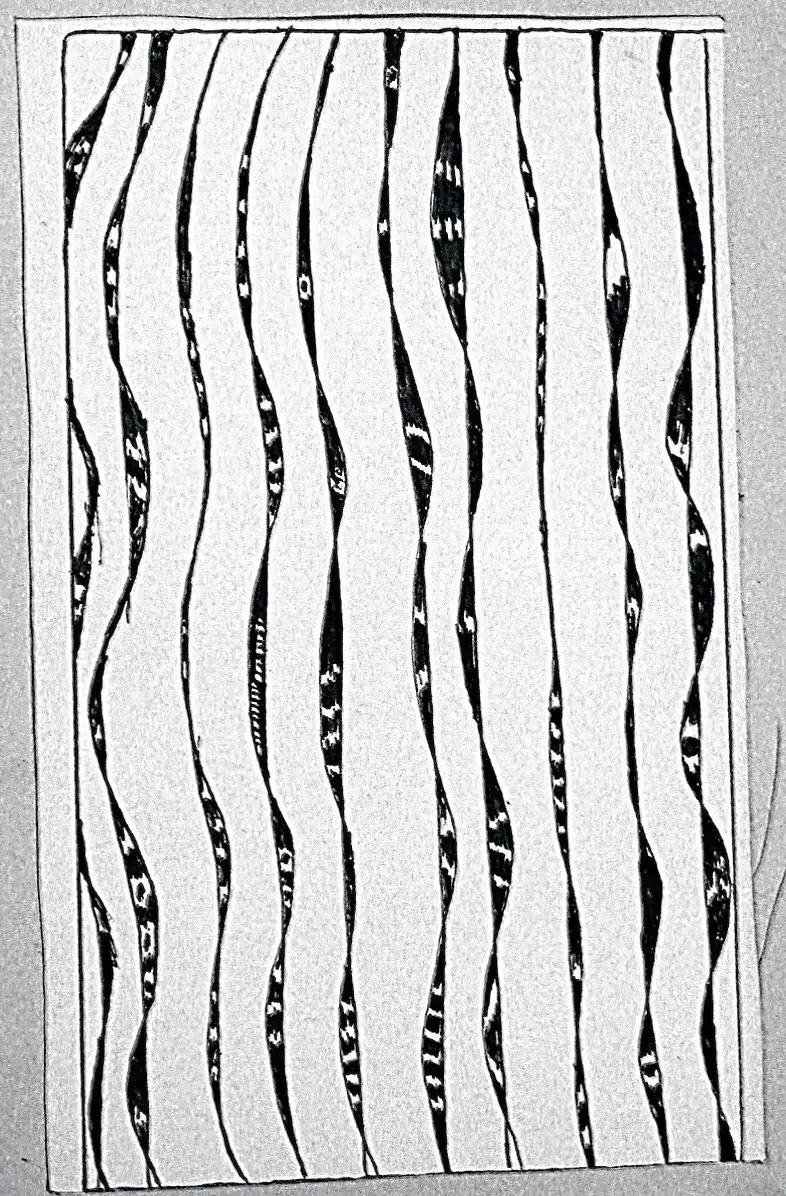
Seeing Through The Curtain
9×6” Ink on paper [1996]
![The House of Tiles [Mexico City]](https://brucemcintyreart.com/wp-content/uploads/2025/12/52.DRPageHouse.webp)
The House of Tiles [Mexico City]
7×5” Ink on paper [1996]
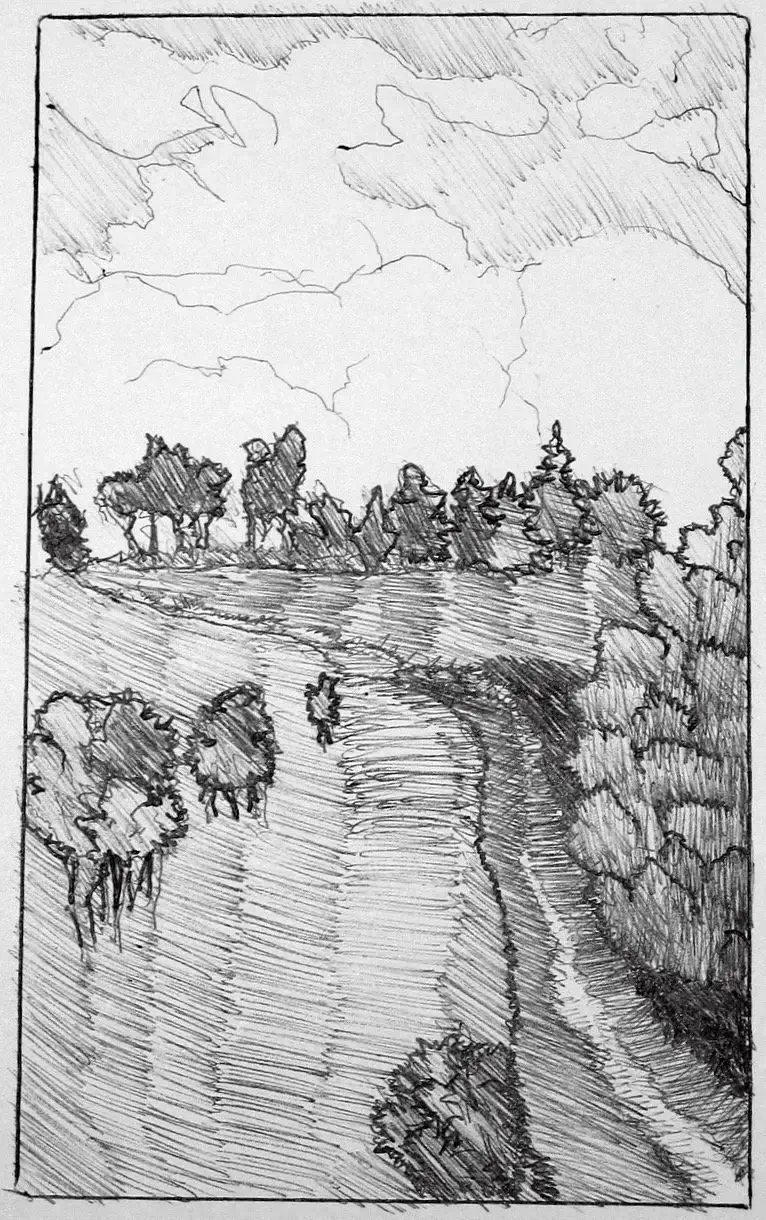
Little Creek
9×6” Ink on paper [1995]
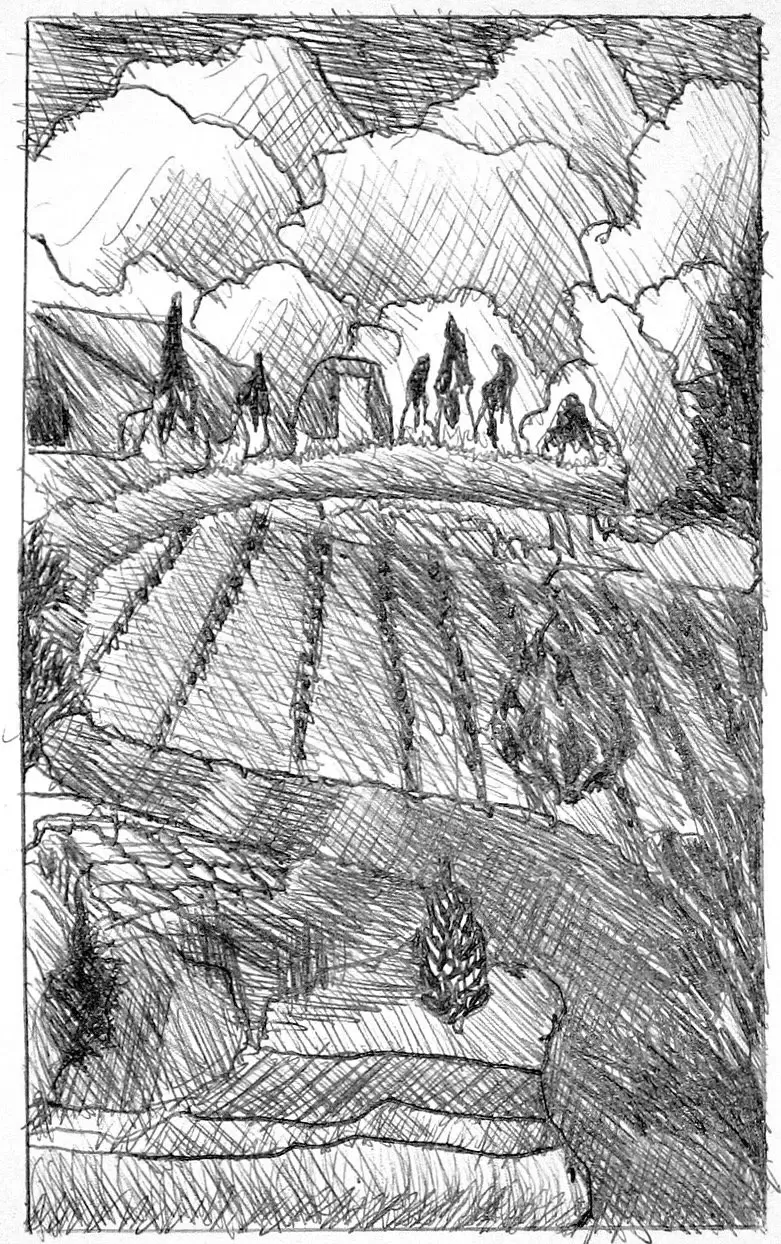
Fire Trees
9×6” Ink on paper [1994]
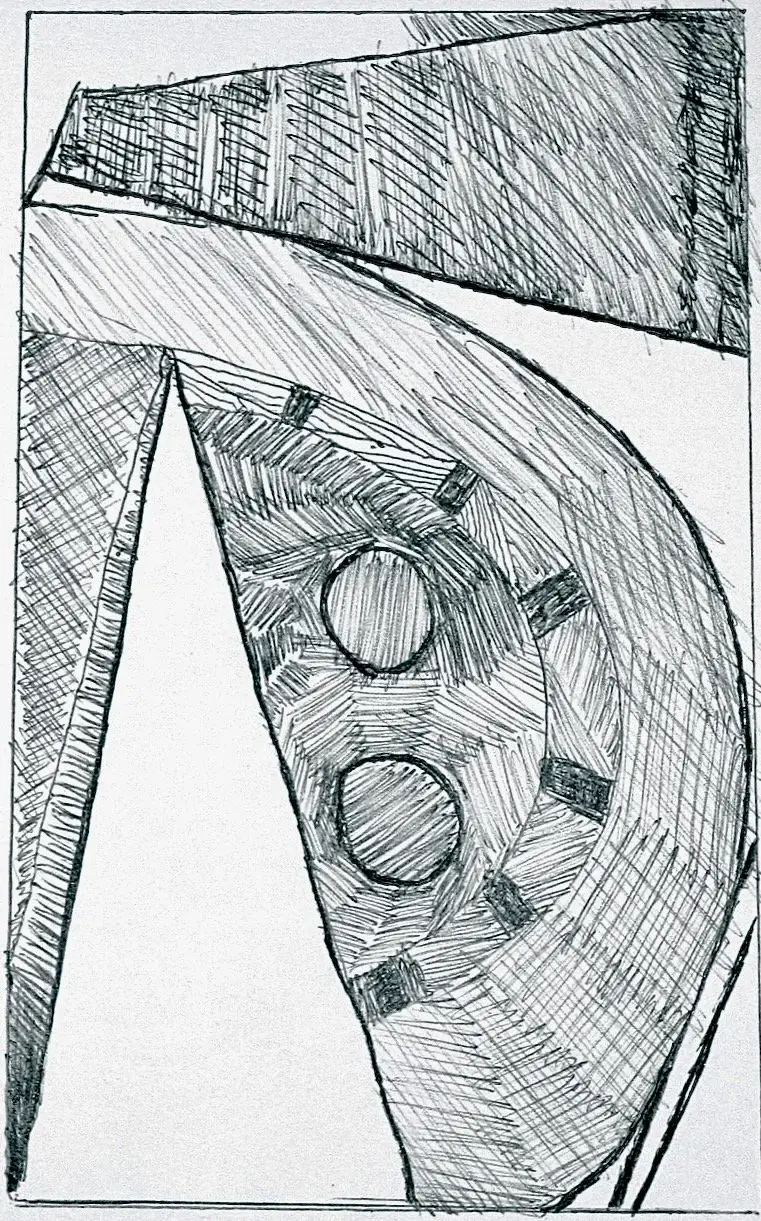
Vestigial Marks
7×5” Ink on paper [1997]
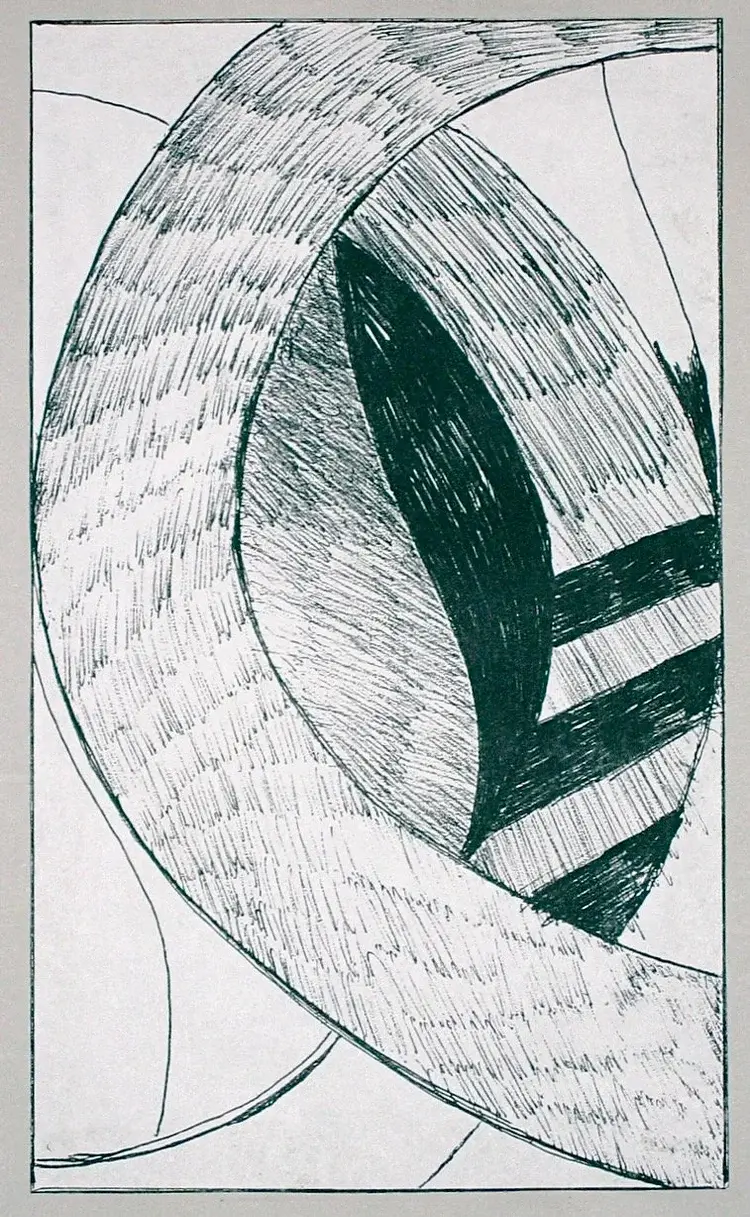
Ribbons #2
7×5” Ink on paper [1994]
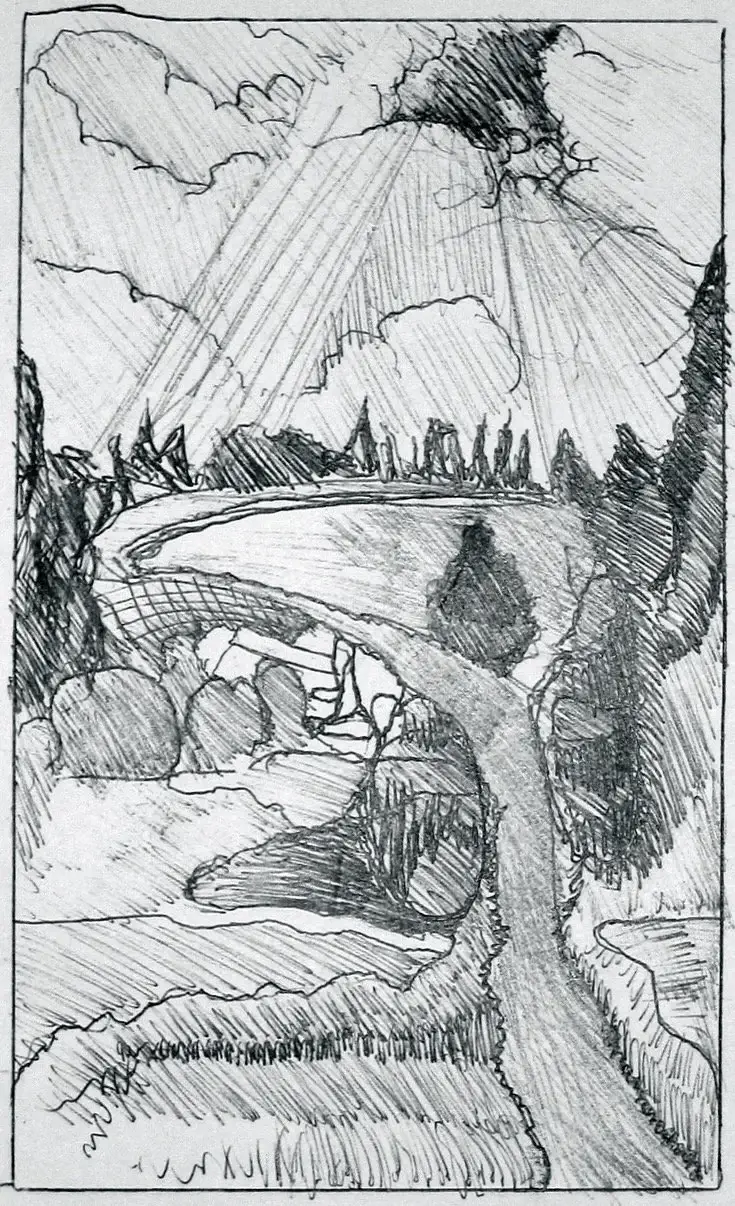
Follow the Gorge
9×6” Ink on paper [1994]
Oils + Gouaches
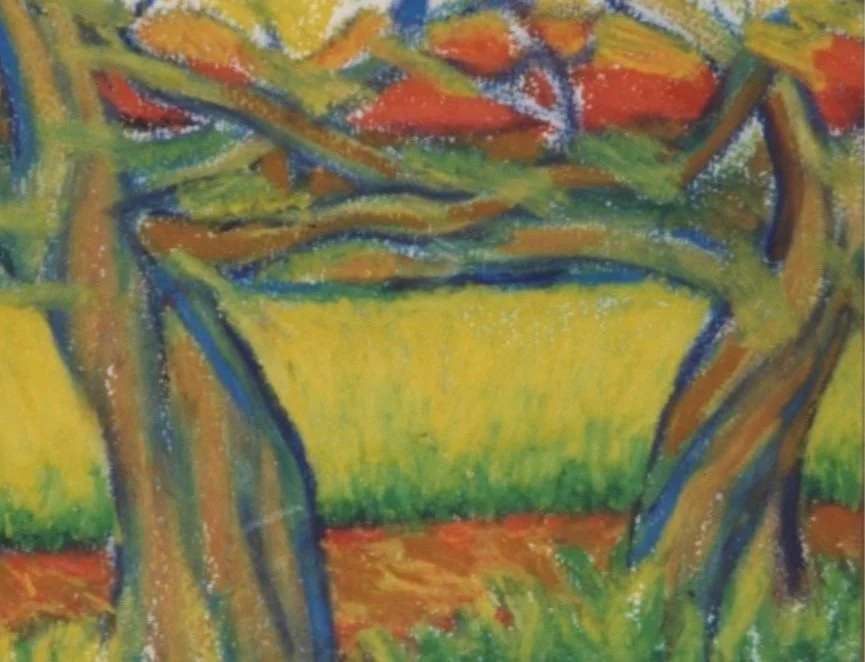
Working in oils on canvas was a costly luxury for McIntyre and, not surprisingly, he embraced the medium to revel in his love of impressionism. In the natural world, inspired by Van Gogh and Derain among others, he saw dancing trees [“Welcoming Party”], formalist serenity [“Japanese Elm”], and wildly electric landscapes [“Breaking Out #2]. To look at this work is to see the idea of nature at its most magical, vibrant and indisputably beautiful. In other words, nature according to Bruce.
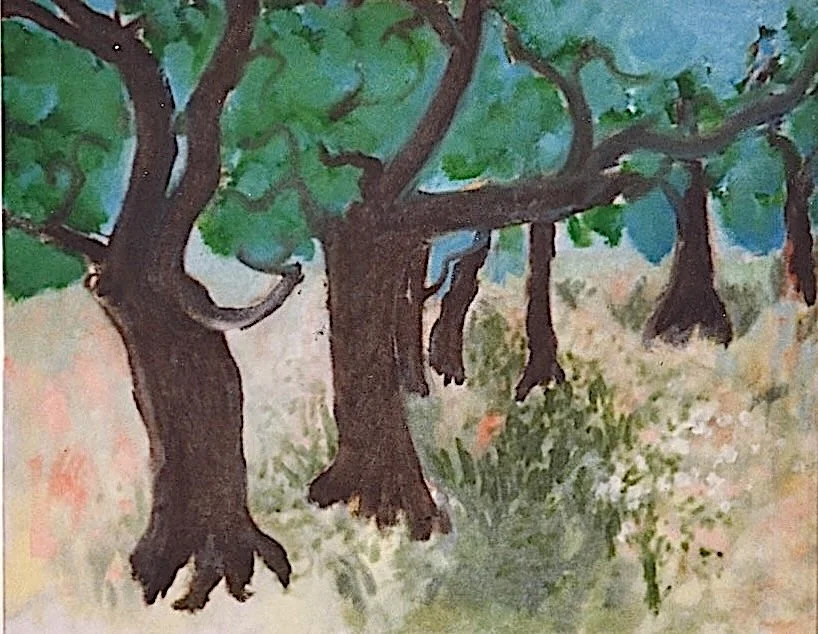
The Welcoming Party
16×20” Oil on canvas [1989]
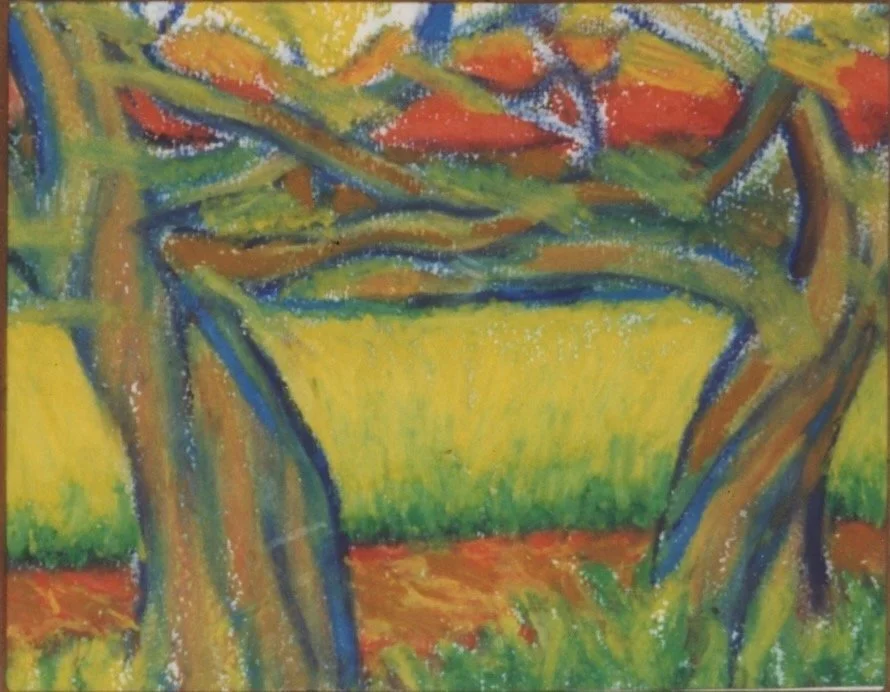
Tangled Trees
18×24” Oil on canvas [1982]
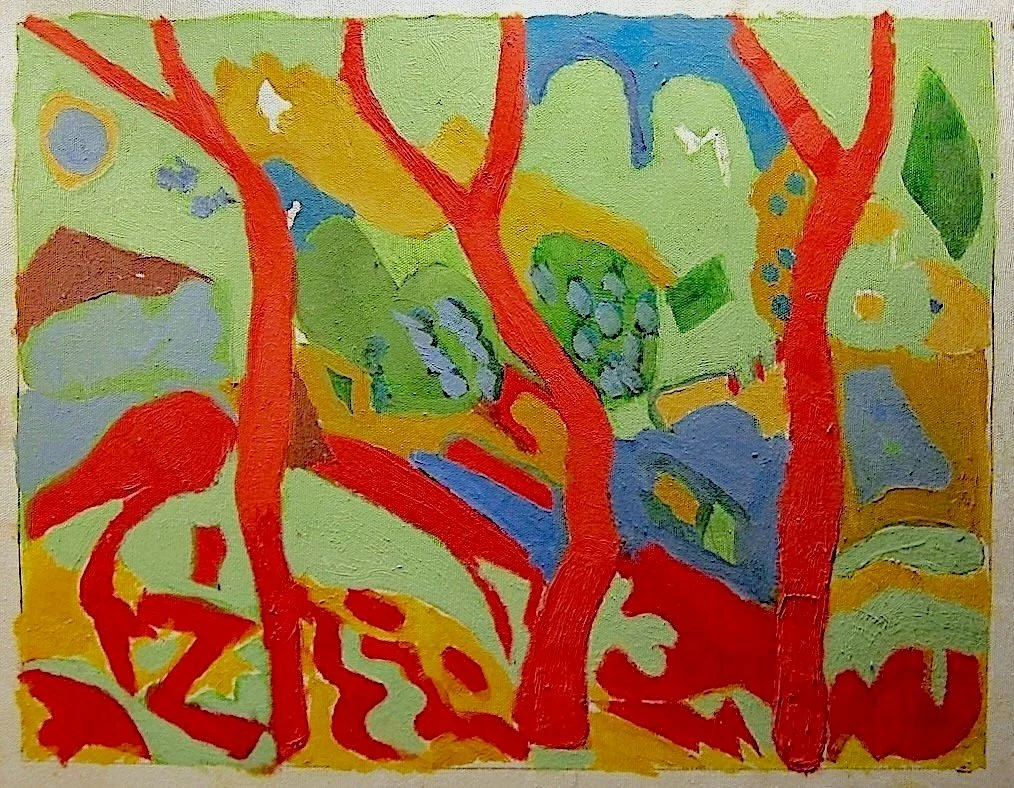
The Magic Forest
18×24” Oil on canvas [1980]
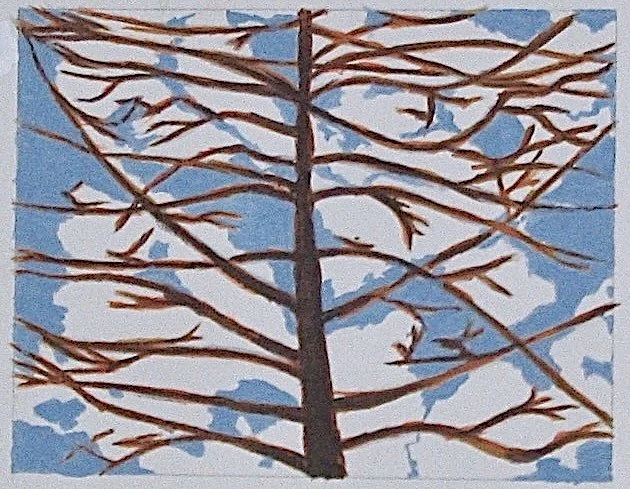
Bright Winter
18×24” Oil on canvas [1990s]
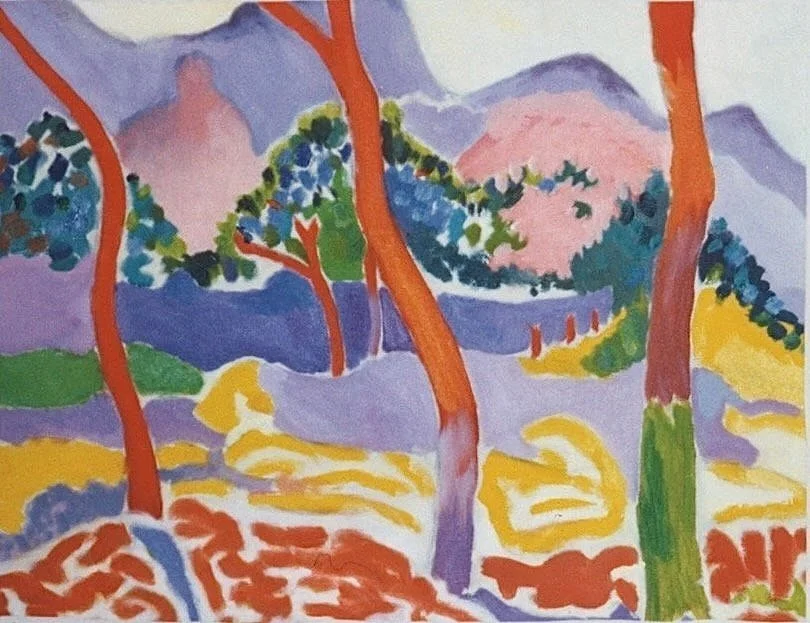
After Derain
18×24” Oil on canvas [1979]
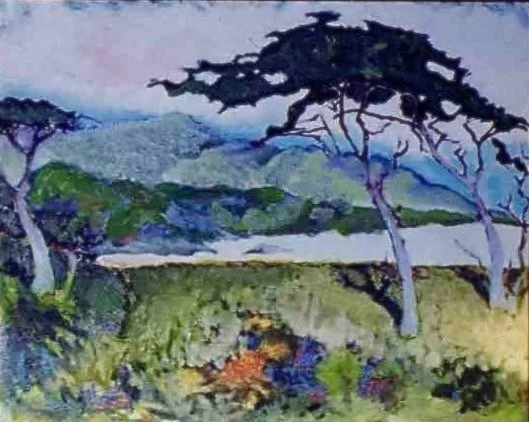
Japanese Elm
16×20” Oil on canvas [1980s]
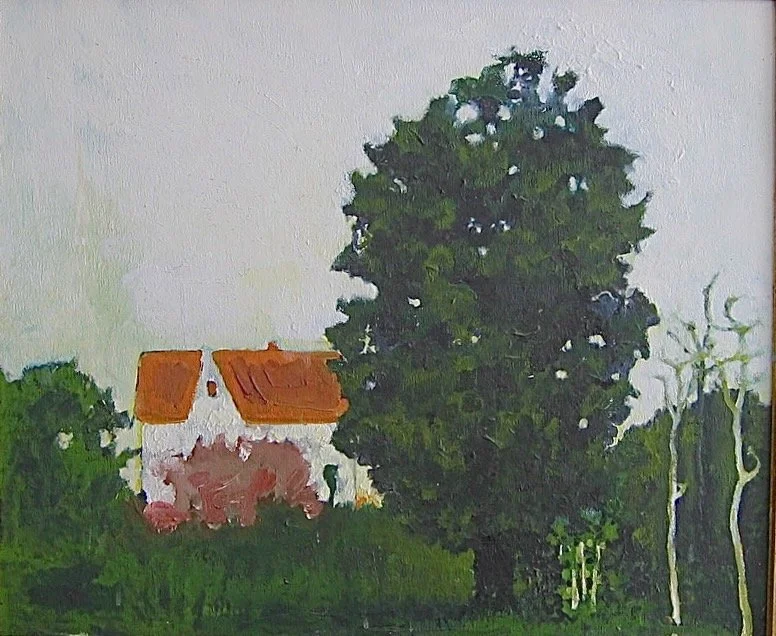
Little Country Cottage
16×20” Oil on canvas [1983]
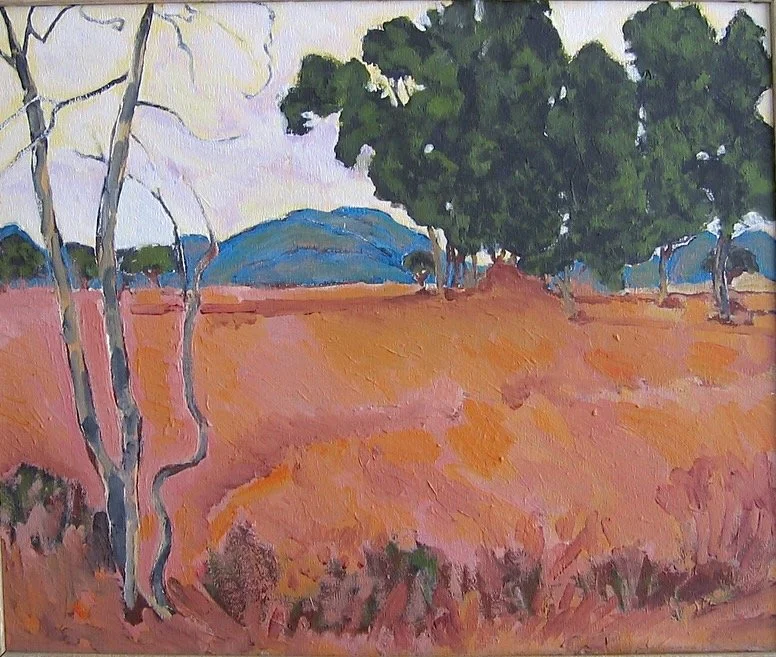
In the Meadow
16×20” Oil on canvas [1980s]
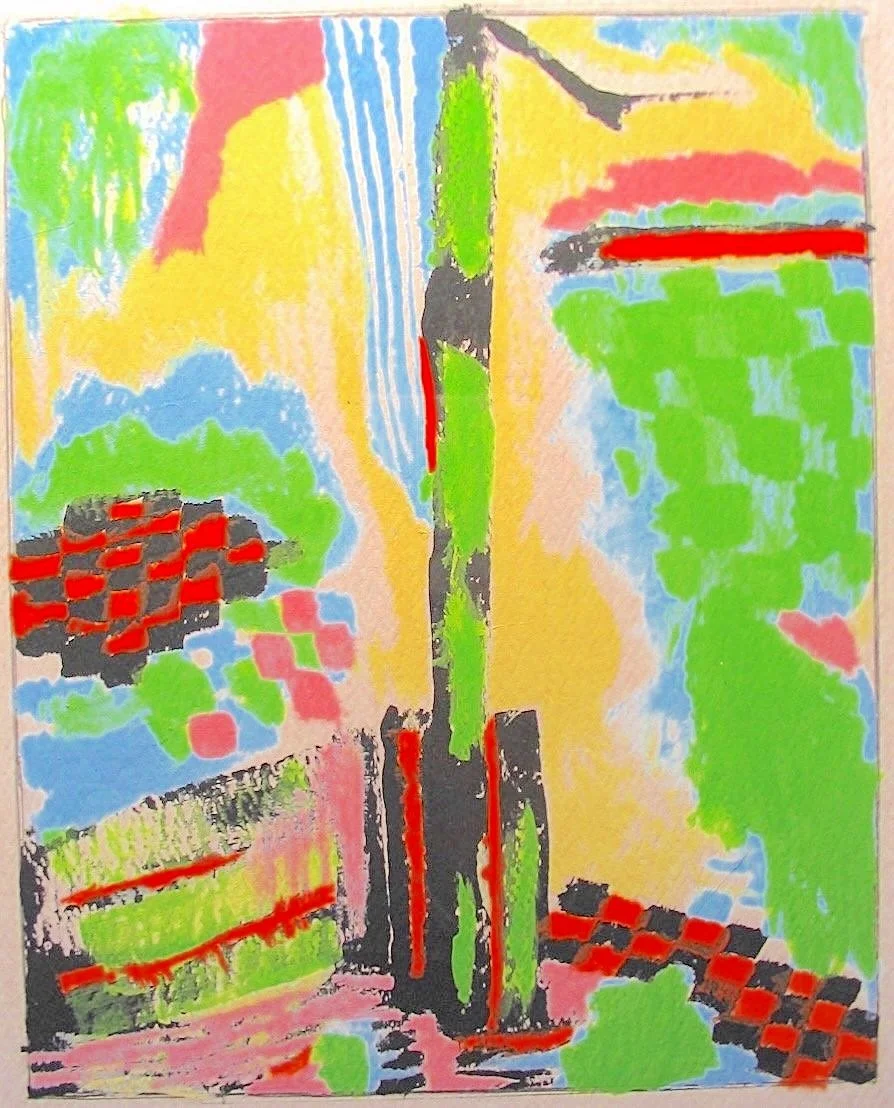
Breaking Out
14×11” Gouache on paper [1990s]
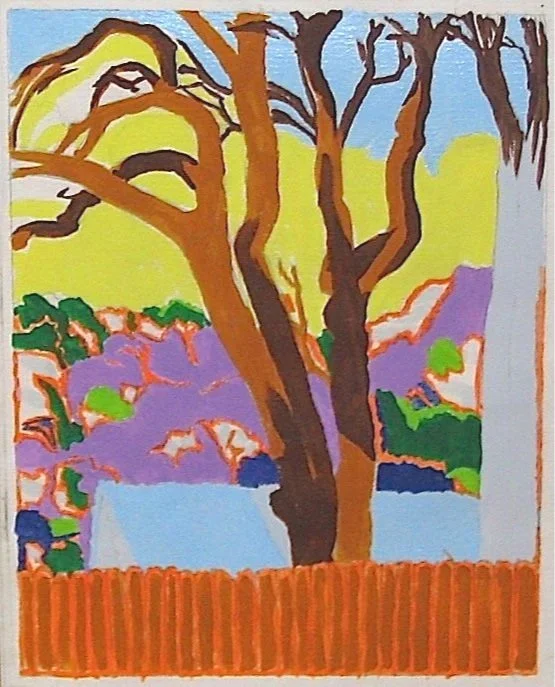
Behind the Fence
20×16” Oil on canvas [1983]
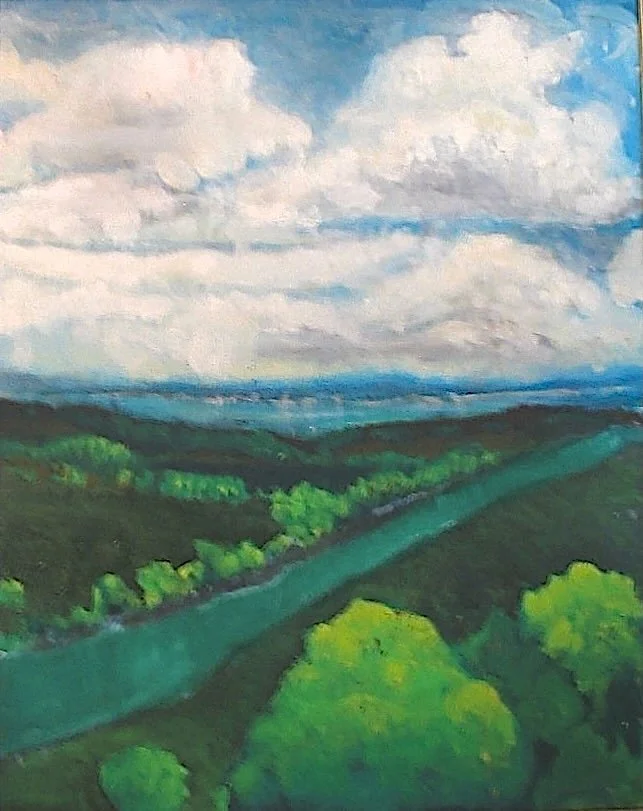
Spring Sky
14×11” Oil on canvas [1980s]
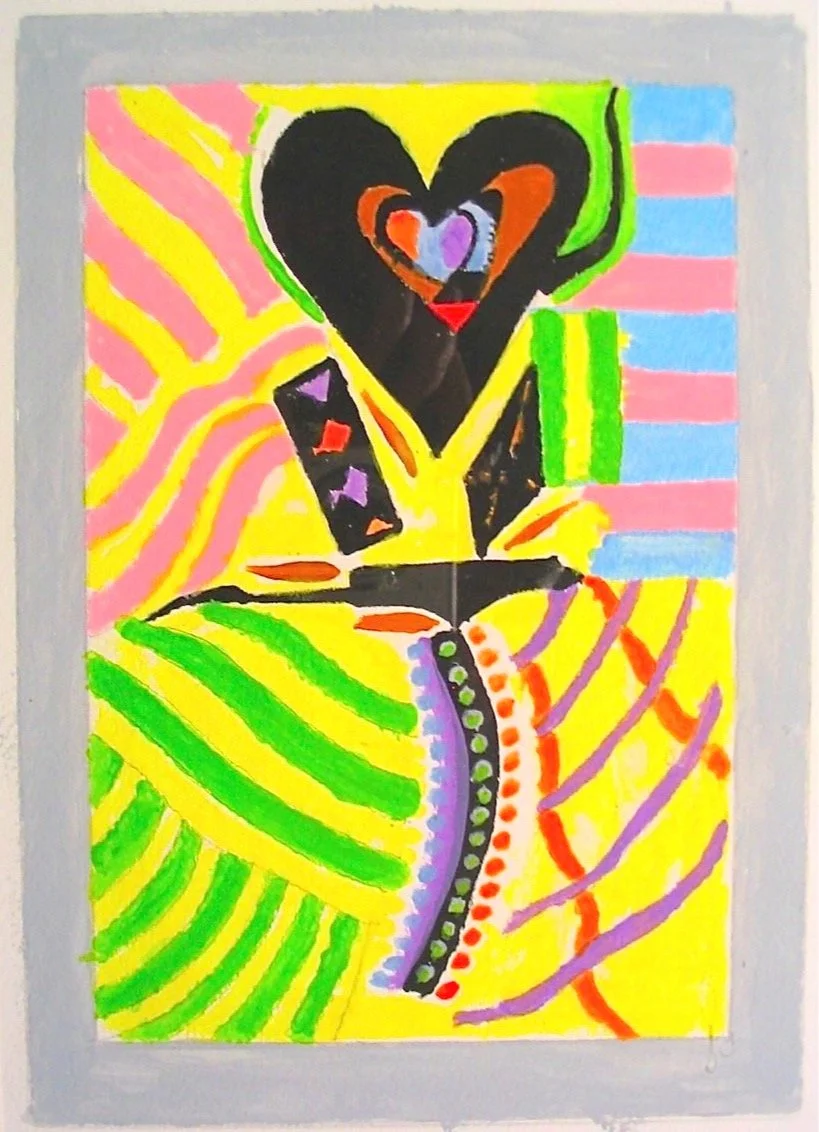
Something Human
14×11”” Gouache on paper [1990s]
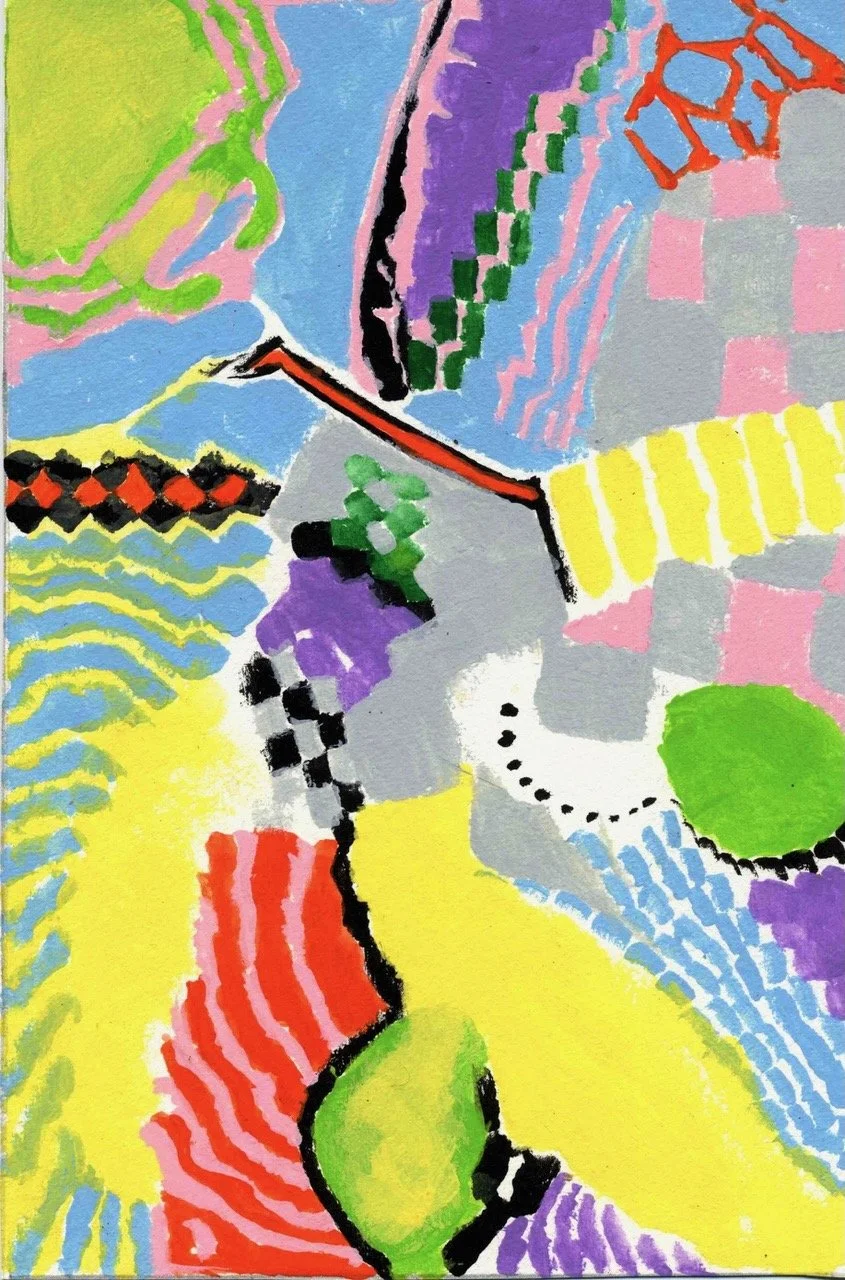
Breaking Out #2
16×12” Gouache on paper [1990s]
Textile “Pouches”
How many artists make their own luggage? Or craft swatches of fabric into pouches perfectly sized to carry a sketchbook? McIntyre was fascinated by the patterns, colors and cultural significance of embroidery, carefully stitching together textiles he found or somehow acquired. Both an accessory and trademark, they served him well.
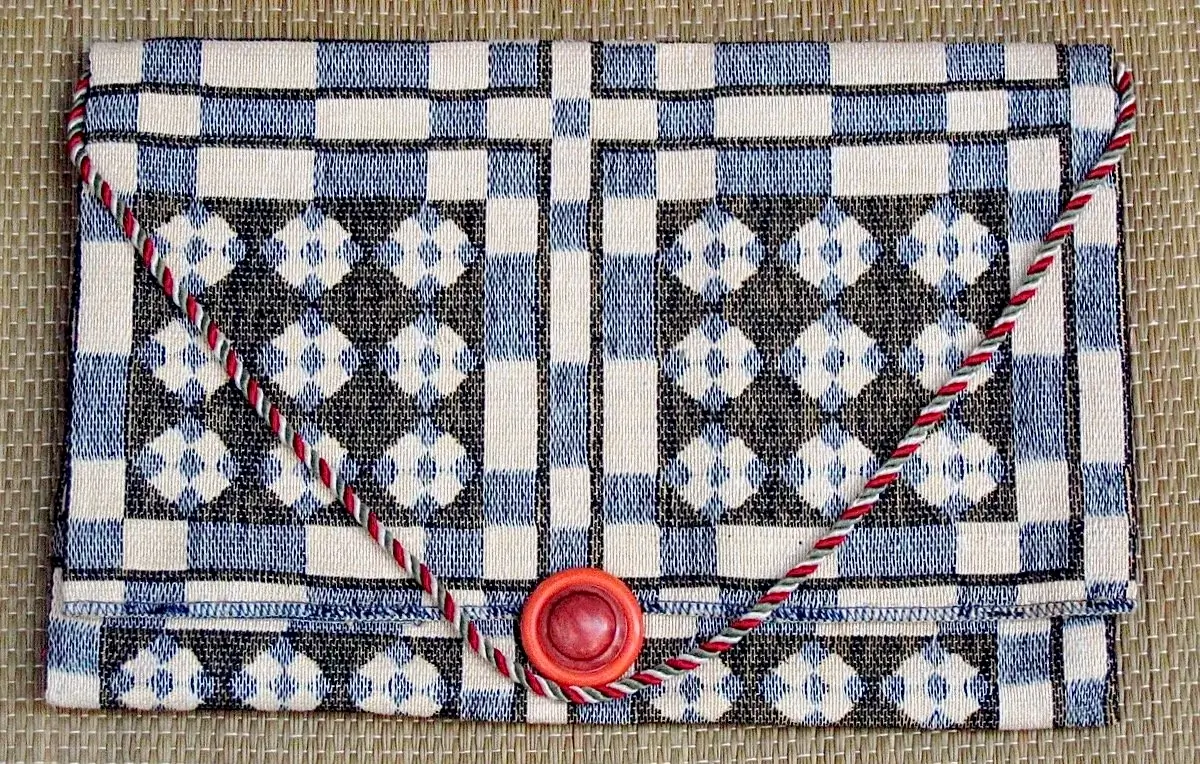
Turkish Kilim Pouch
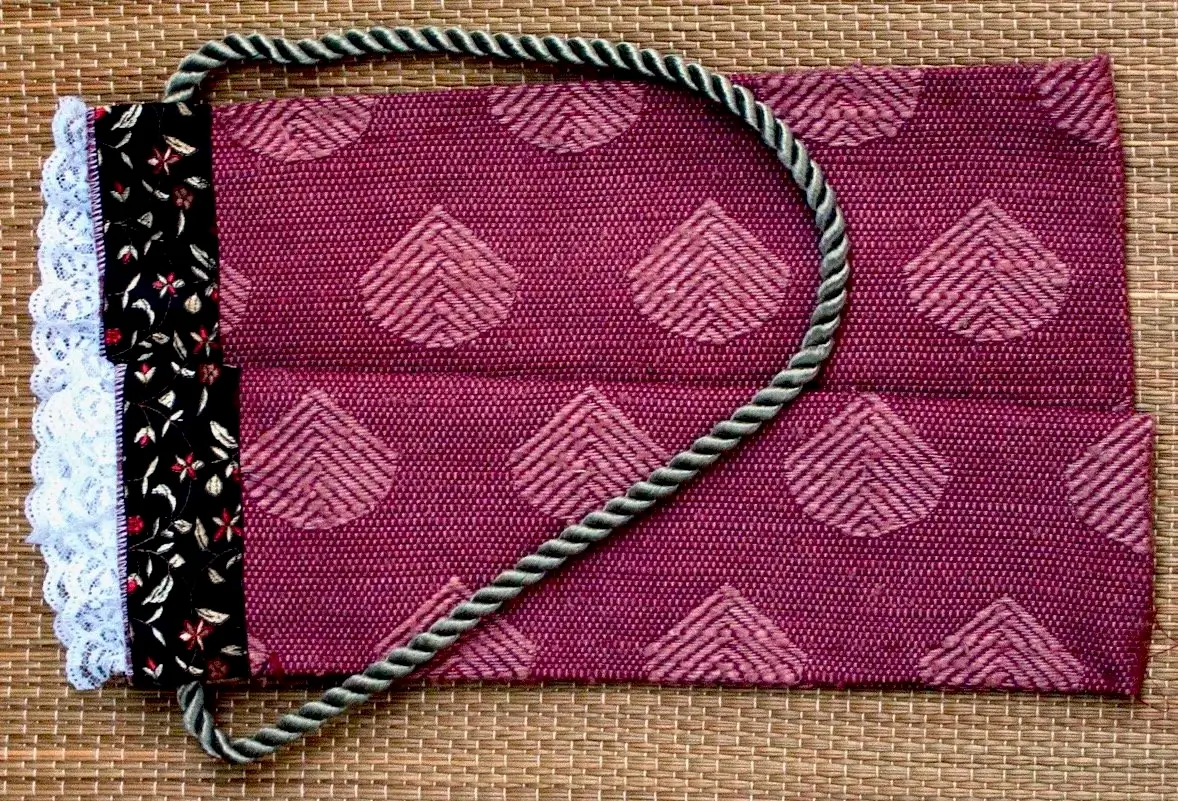
Antique Afghan Pouch
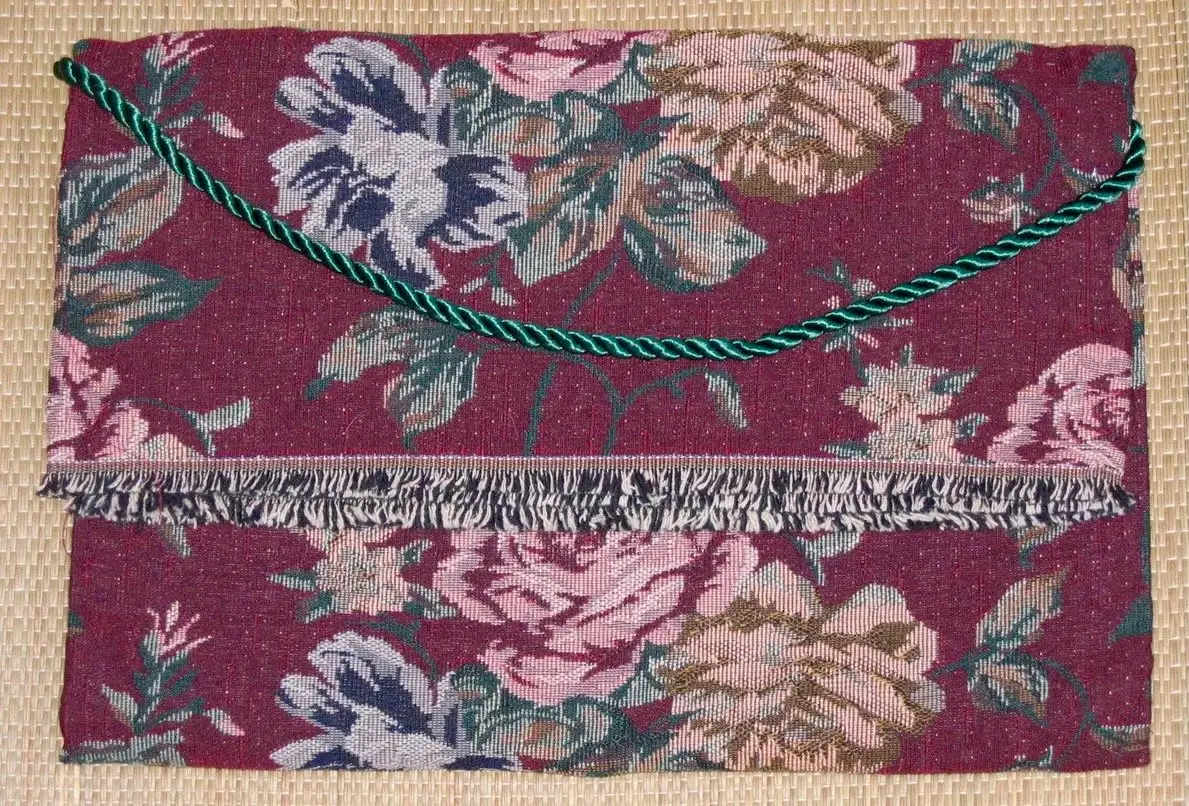
Floral Jacquard Pouch #2
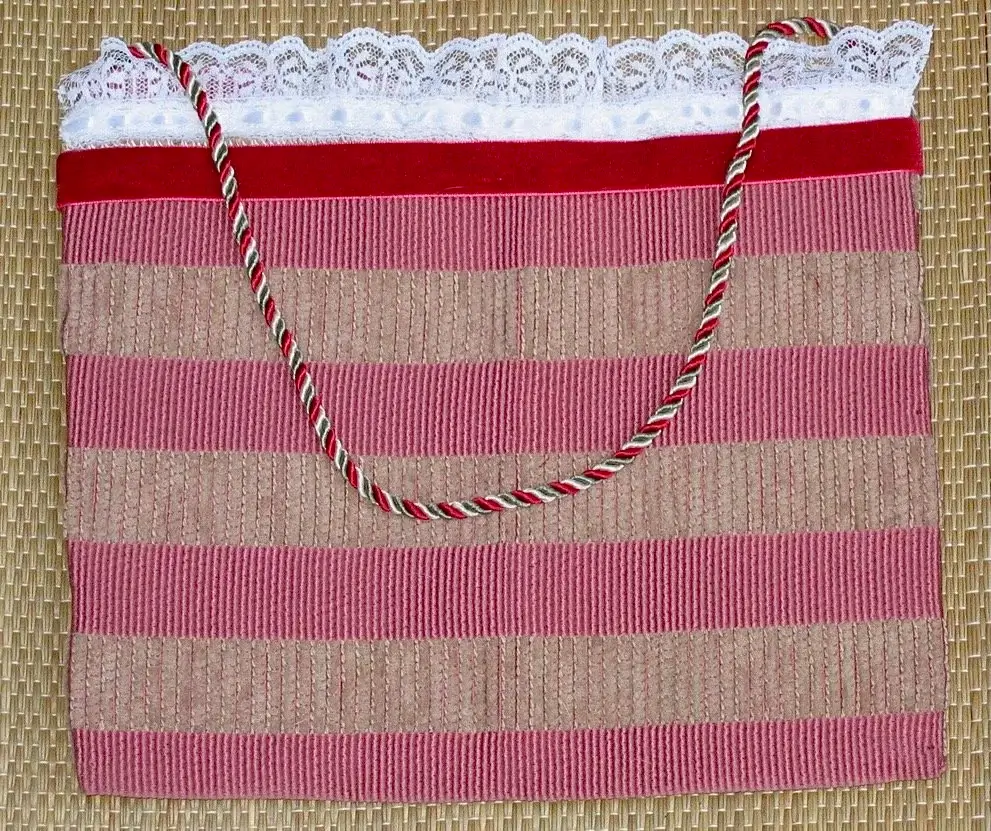
Bohemian Tassel Pouch
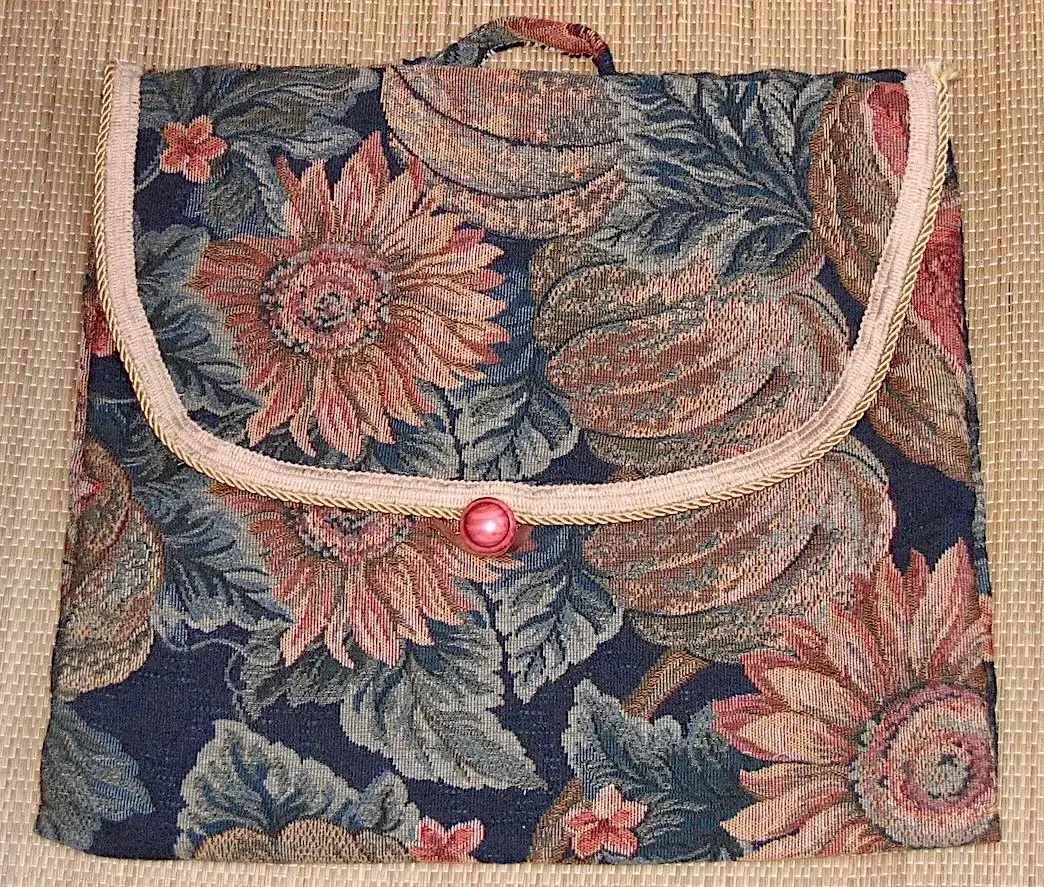
Pergola Tapestry Pouch
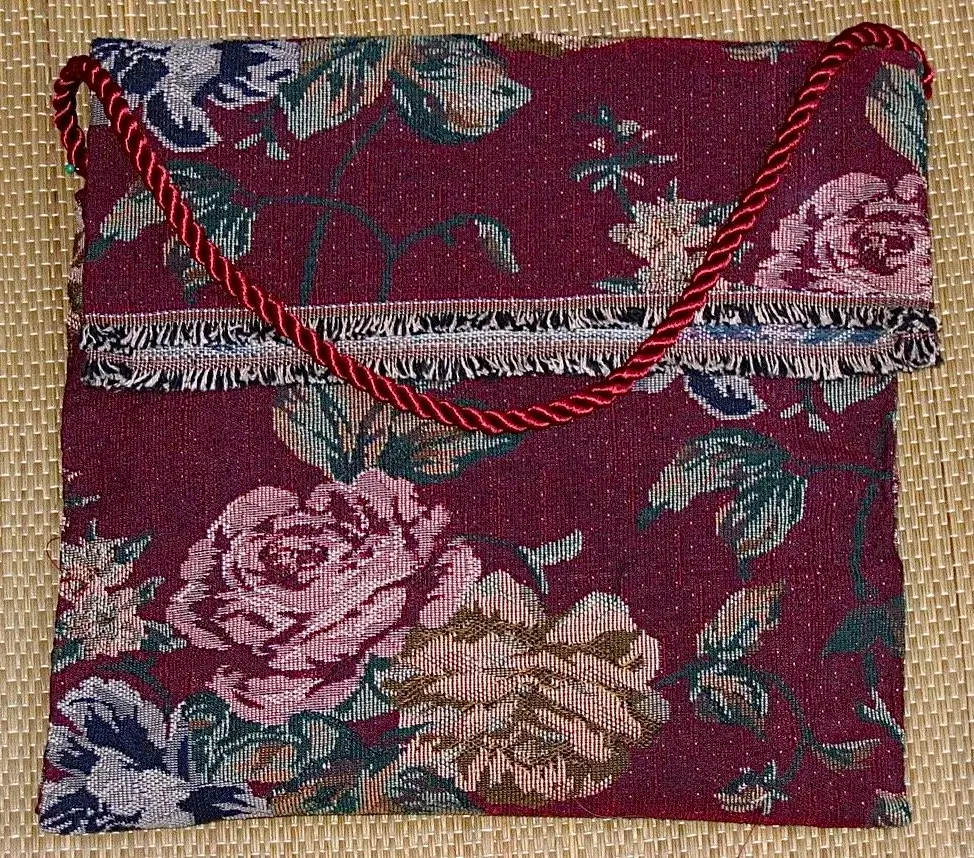
Floral Jacquard Pouch
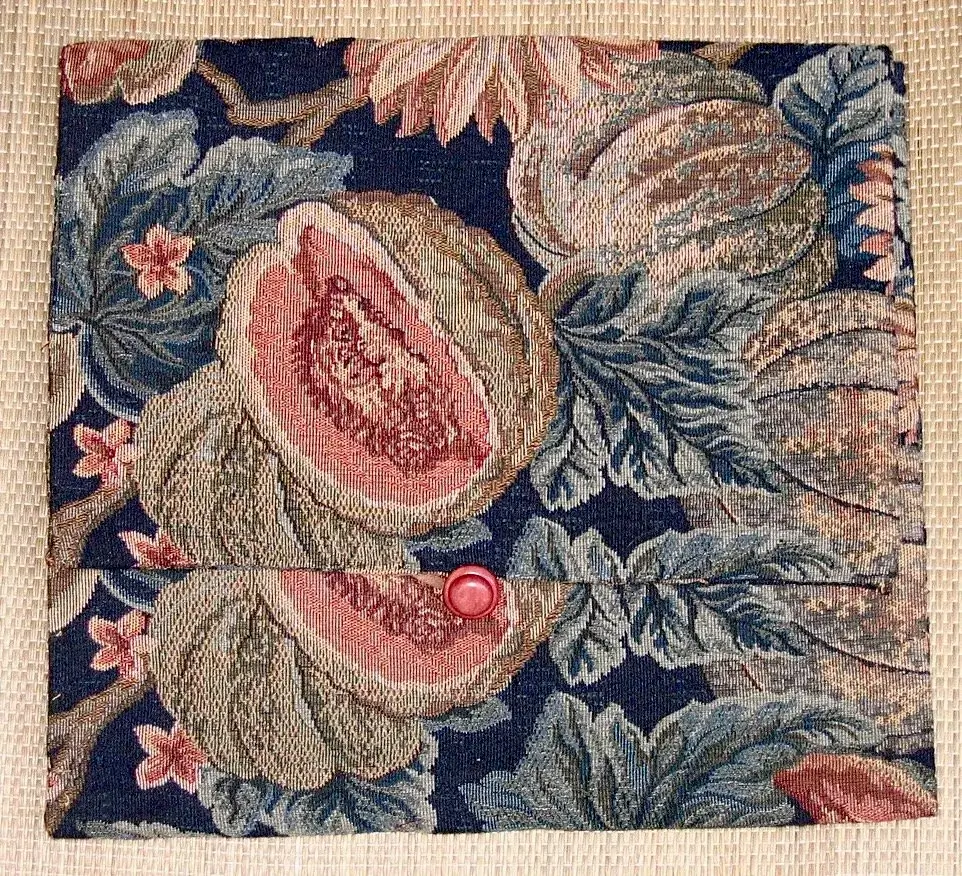
Fruit Jacquard Pouch
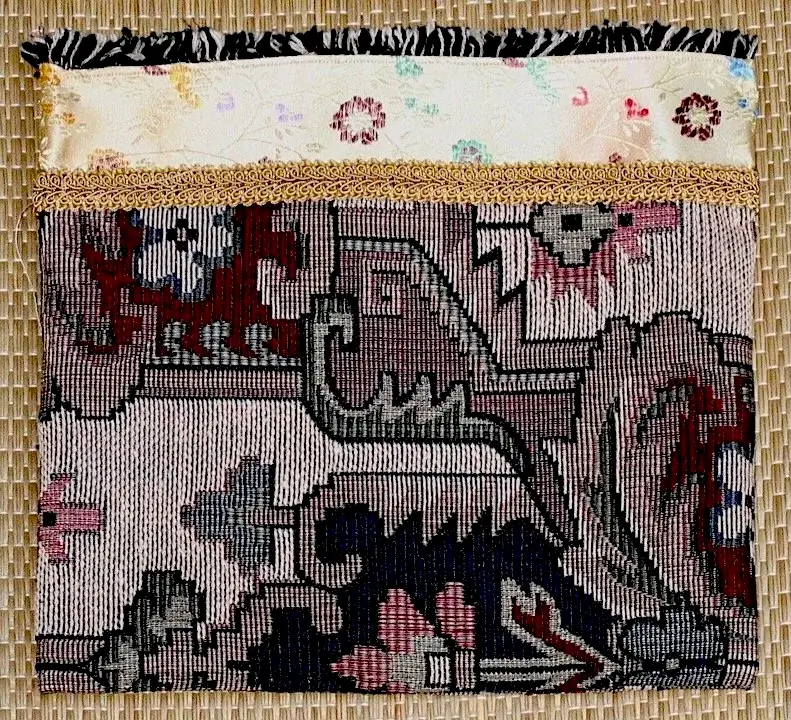
Persian Serapi Pouch
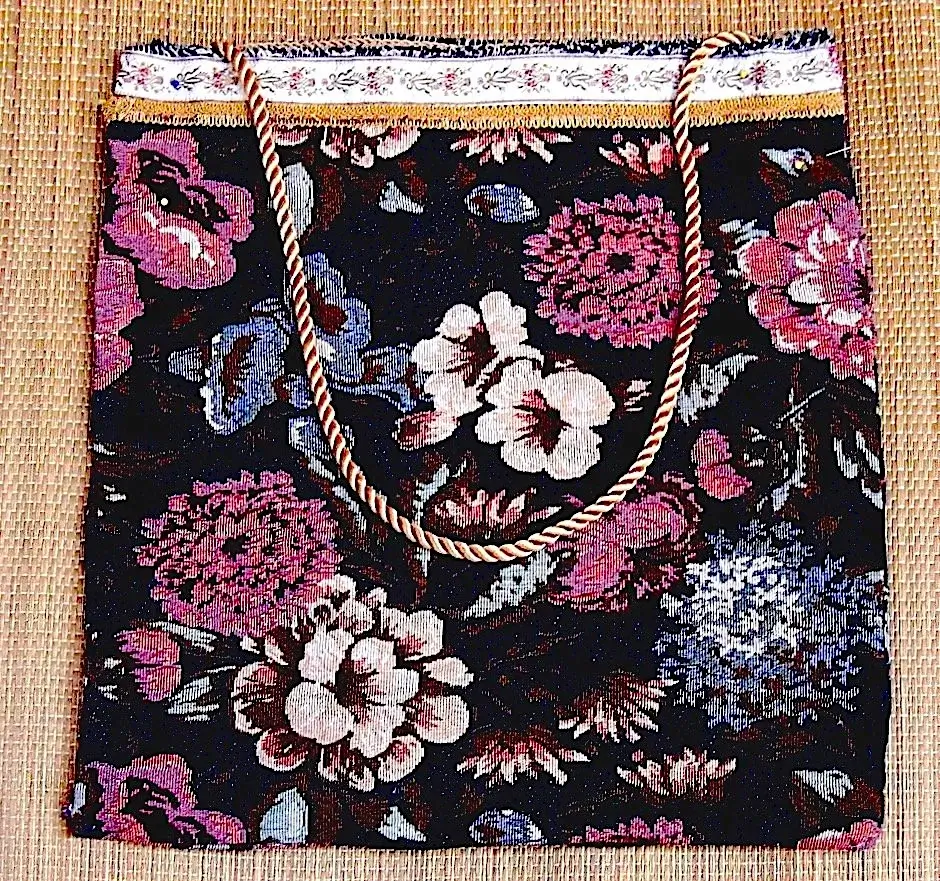
Floral Tapestry Pouch
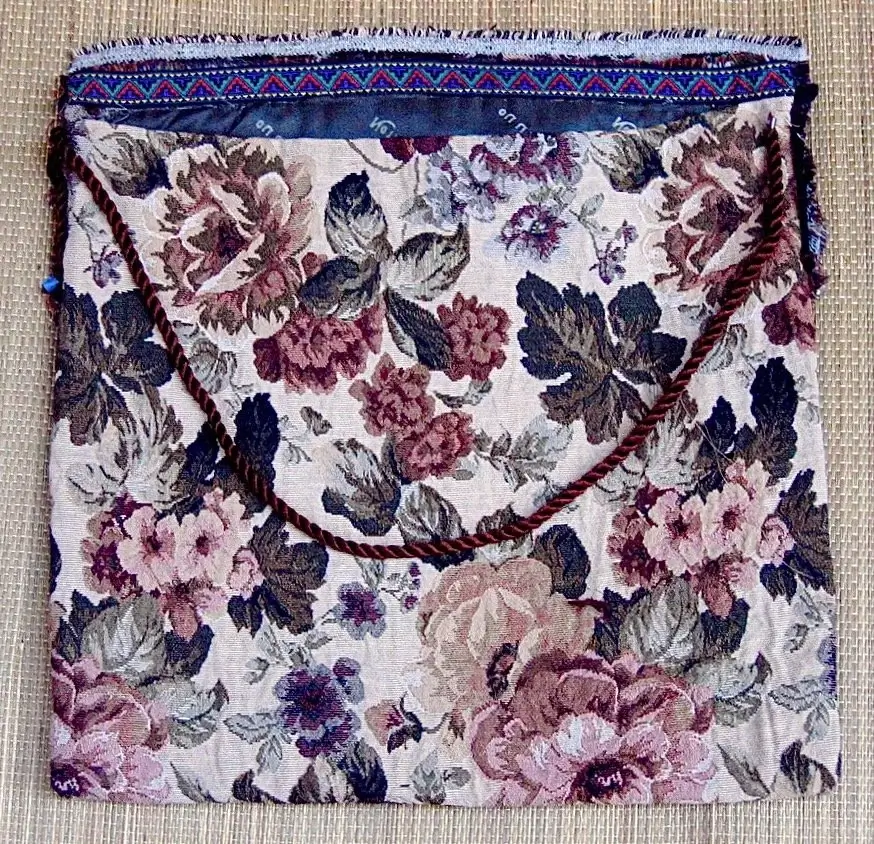
Floral Matelassé Pouch
Voices of Inspiration
McIntyre enjoyed referencing quotations from artists and writers in conversation, usually to make a point or lighten the mood. He also wrote quotes on the reverse of his drawings and paintings to hint at the thoughts behind them. These voices of inspiration, perhaps given his struggle for recognition, no doubt encouraged Bruce to embrace his path and, in the words of Kurt Vonnegut, celebrate his art for “making life more bearable.”
Vincent van Gogh
“I dream my painting and I paint my dream .”
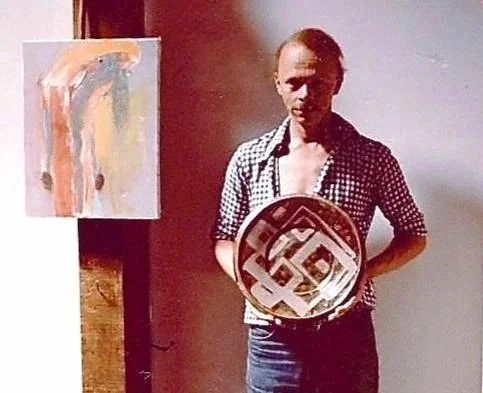
Pablo Picasso
“There are painters who transform the sun into a yellow spot, while others use their art and intelligence to transform a yellow spot into the sun.”
Kurt Vonnegut
“The arts are no way to make a living. They are a human way of making life more bearable.”

Anais Nin
“The function of art is to renew perception.”
Friedrich Nietzsche
“For art to exist, for any sort of aesthetic activity or perception to exist, a certain physiological precondition is indispensable: intoxication.”
Seth Godin
“What matters, what makes it art, is that the person who make it overcame the resistance, ignored the voice of doubt and made something worth making. Something risky. Something human.
Henri Matisse
“Creativity takes courage.”
Vincent van Gogh
“…and then, I have nature and art and poetry, and if that is not enough, what is enough?”
Pablo Picasso
“Every child is an artist. The problem is how to remain an artist once he grows up.”
Timeline
Some periods over the course of Bruce McIntyre’s life remain vague or impossible to track. Others we know in detail. In a 1989 newspaper interview, he spoke at length of his “life story,” including a tormented adolescence and ongoing swings between hope and despair. Either way, Bruce’s was not an easy journey. But he lived it to the fullest.
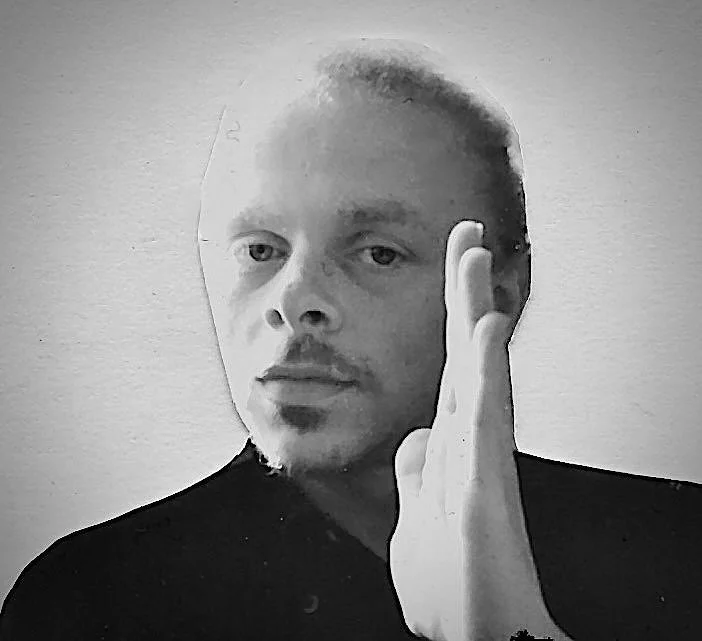
June 17, 1940: Bruce Ralph McIntyre is born in Evanston, Illinois as the only child to Daisy McIntyre and her then-estranged husband.
1940s-50s: Daisy remarries, stepfather moves the family to Atlanta, Georgia where southern Jim Crow segregation laws remain in place.
1953: Begins high school and studies art. White teachers and students mock his appearance as a “negro” or “mulatto.” He is bullied and shunned, but attends classes.
1956: Wins a place in a group exhibition at the High Museum of Art in Atlanta, his first major public showing of an artwork.
1957: Social pressure continues, alcoholic stepfather turns abusive, family deteriorates. Returns to Evanston to live with his birth father and stepmother.
1957: Enrolls in art studies at Evanston High School, remains marginalized as “half negro.” Racist faculty members block him from senior art classes and refuse to submit his college scholarship applications, denying him a formal art education and path to artistic recognition.
1958-59: Stigmatized at school, facing more abuse at home, he moves to Chicago where he meets, lives and works with Bauhaus master Daniel Massen. Introduced to abstract art.
1960: Leaves Chicago for Stony Brook, New York to study further after Massen, a profoundly important mentor, returns to Europe. Moves to Berkley, California shortly thereafter at the urging of a cousin.
1960-64: Enters of-the-moment Bay Area bohemian circles, meets “beat” writers Allen Ginsberg and Lawrence Ferlinghetti, artists Clyfford Still, Richard Diebenkorn and others. Joins the seminal “Free Speech” demonstrations at U.C. Berkeley.
1964-66: Attends CCAC [California College of Arts and Crafts] in Oakland; studies under Peter Shoemaker and Katherine Bareau. Hones aesthetics and techniques influenced by New York and early West Coast abstract expressionists.
1966: Travels to an artists’ colony in Mexico with Village Voice writer Ann Mayo, begins long-term association with Oakland Museum curator Hazel Bray, a noted figure in California’s art scene.
1966-74: Unable to secure gallery representation, lives very modestly in Berkeley, embraces the counter culture, sells paintings to friends and patrons, earns a small income as a house painter.
1974-1978: Suffers a “nervous breakdown” and is granted a monthly government disability payment. Moves to Santa Cruz where he enrolls in art classes at local Cabrillo College. Finds relative stability and enjoys an especially prolific period.
1979-1980: Moves from Santa Cruz to Oakland, sets up a studio/gallery space with two other artists in a warehouse on San Pablo Avenue where they live, work and host events.
1981: Oakland studio disbands. Lives in multiple, temporary locations in the Bay Area and Los Angeles, where he meets curator and supporter James Byrnes, the first modern art curator at LACMA. Byrnes offers financial support through artwork purchases and odd jobs.
1982: Moves suddenly to Naples, Florida to care for his mother, Daisy. Featured in a group exhibition at the [then] DeLand Museum.
1983: Returns to California with Daisy to live in Benicia. Relative financial security and rural surroundings inspire a new body of work.
1985: Daisy dies tragically in a fire in their apartment in Benicia.
1985-90: Moves to Antioch, recovers and settles comfortably. New paintings draw notice. Interviewed by the Daily Ledger, a local newspaper, but sees little income selling his artwork.
1990: Spends down a modest inheritance from Daisy. Unable to afford his Antioch apartment, he moves to a mobile home on a friend’s property in Windsor.
1994: Lives frugally on his government stipend, buys a small car, drives cross-country. Visits friends in Florida and New York. Returns to Windsor.
2003: Living situation in Windsor turns unwelcome, moves to Forestville. Shelters there alone in an abandoned “cabana” adjacent to an empty swimming pool.
2005: Suffers a stroke in Forestville affecting his mobility and speech. Disability and limited finances keep him from making art.
2007: Moves to Santa Rosa after a close friend and patron helps him secure publicly subsidized housing there.
2009: Suffers injuries from a fall in his Santa Rosa apartment, returns to former home in Windsor to be near friends. Paints and draws when possible, health deteriorates.
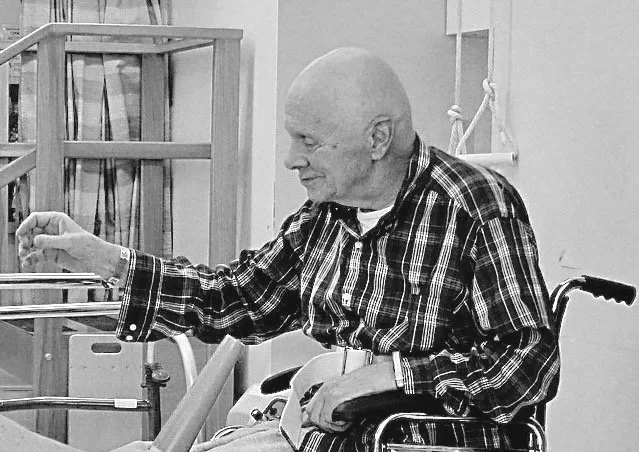
2012: Relocated by friends to an assisted-care facility in Petaluma. Unable to make art, he gifts printed cards of his artwork to the staff.
2014: Suffers a second stroke.
March 17, 2015: Dies in Petaluma, California at 75 years of age.
Contributors
Emanuel Freydkis – Website Consultant/Lead Archivist
Emanuel Freydkis was a close friend and patron of Bruce Mcintrye for most of the artist’s life. A young art dealer in Berkeley when Bruce arrived in California in the early 1960s, Freydkis recognized his unique approach to painting, introduced him to other artists and collectors, and remained a pivotal source of encouragement, financial support and creative inspiration. As such, Mr. Freydkis has been vital to preserving Bruce’s legacy for this effort and documenting the vast majority of artwork you see on this website.
Todd Stanton – Website Writer/Designer/Archivist
Todd Stanton met Bruce Mcintyre in 1970s Santa Cruz, California and credits him for a life-changing exposure to modern art. Meeting in a college ceramics studio, they formed a friendship and collaboration that ultimately led to their studio and gallery collaboration in Oakland. Stanton also acquired a limited collection of Bruce’s art as you see it here.
Louis Gecnok – Website Consultant
Among the circle of friends that remained supportive of Bruce and collected his work from the 1970s on, Louis Gecnok remained in close contact with Bruce over the decades he lived in California. Gecnok’s insights are an important contribution to this narrative.
Shaun Wolfson – Website Developer
Shaun Wolfson’s interest and expertise in online portfolio presentation design and fine art drew him to this project and helped make it what you see here. We could not have done it without him.
Website Photography
Artwork images and other photography for this website were provided by Emanuel Freydkis and Todd Stanton.
Special Acknowledgements
Additional thanks to those who assisted with research for this website go to Tariq Gibran, Curator, Museum of Art–Deland, Fl., Emma Sullivan, Assistant Curator, Artis–Naples, Fl., and The Daily Ledger, Antioch [story “After the Storm” by Sheila Wright with photos by Meri Simon].
Contact
Do you have an artwork by Bruce McIntyre? Do you know someone who does? Did you know or meet him? Please let us know.
Contact us at: brucemcintyreart@gmail.com
This website is the only catalogue raisonné of the artwork of Bruce McIntryre, but it is by no means definitive. If you or someone you know can shed more light on his legacy or share more of his art, you’ll be giving Bruce the attention he deserves.